

Description
Male Cockatoo Parrots for Sale
A male cockatoo can be an extraordinary companion for someone who appreciates an intelligent bird with a strong personality and a need for daily engagement. These parrots are admired for their expressive body language, problem-solving abilities, and distinctive calls. Choosing one involves more than finding a bird with attractive feathers; it means preparing for years of companionship, enrichment, and specialised care.
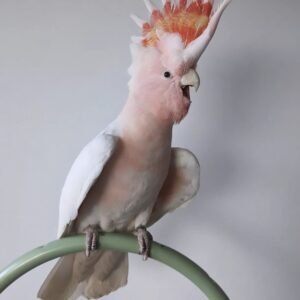
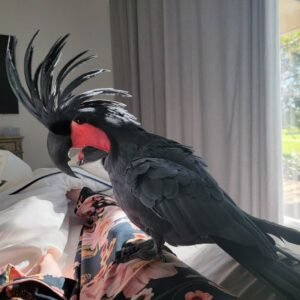
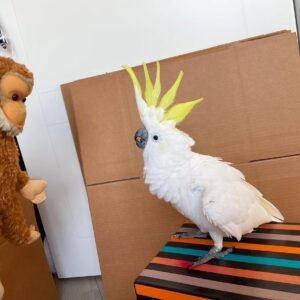
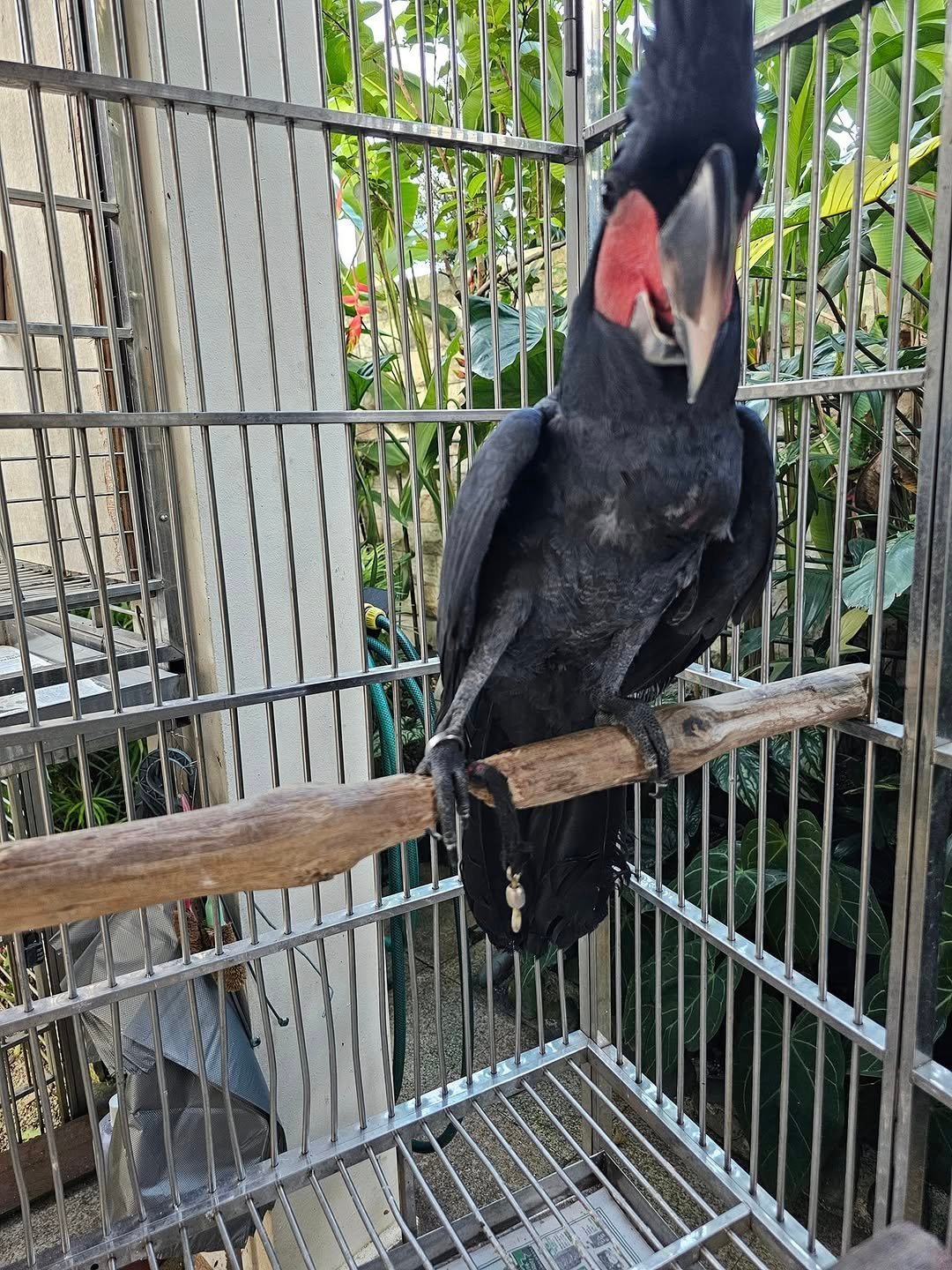
When considering Male Cockatoo Parrots for Sale, ask for clear information about the bird’s species, age, captive-bred status, health history, and current feeding routine. Male cockatoos can vary considerably in size, temperament, and care requirements, so identifying the exact species is essential before arranging a purchase.
A suitable environment includes a sturdy enclosure, secure locks, natural perches of varying diameters, and durable toys that encourage chewing and foraging. Fresh vegetables, an appropriate formulated diet, and species-specific nutritional guidance help support good health. Daily interaction and positive reinforcement can encourage desirable behaviour, but no bird should be assumed to be tame or affectionate without observing its individual responses.
Before committing, request available veterinary records and documentation establishing lawful ownership and origin. Some black cockatoo species have particularly strict wildlife-trade protections, and transport may require permits or other official paperwork.
A thoughtful purchase starts with honest questions and realistic expectations. Make sure your household can accommodate the bird’s noise, space requirements, long lifespan, and social needs before bringing your new companion home.
What Size Cage Does a Cockatoo Parrot Need?
A cockatoo needs an enclosure large enough to spread its wings fully, climb, move between perches, and play without repeatedly striking the bars. The appropriate dimensions depend on the species, wingspan, and time spent outside the enclosure. Choose a sturdy cage with secure locks, safe bar spacing, and room for toys, food bowls, and varied perches. Bigger is generally better when space permits, but even a large cage cannot replace supervised exercise and interaction. Confirm species-specific minimum dimensions with an avian veterinarian or reputable specialist before purchasing equipment.