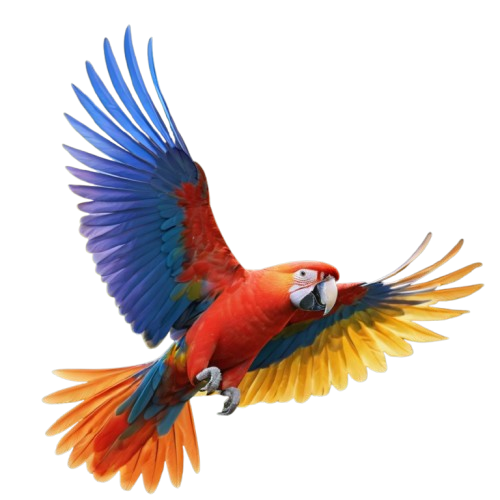
What size cage does a cockatoo parrot need
What size cage does a cockatoo parrot need? The answer depends on the species, its wingspan, and how much time it spends outside the cage. A cockatoo needs enough room to stretch both wings fully, climb between perches, play with toys, and move without constantly hitting the bars. In general, bigger is better, provided the cage is sturdy, safe, and designed for parrots. A suitable cage is only part of the arrangement, though; cockatoos also need supervised time outside it, daily interaction, and activities that keep their active minds occupied.
Recommended cockatoo cage dimensions by species
There is no single cage size that suits every cockatoo. As a useful reference, the UK government’s animal-welfare licensing guidance lists dimensions based on wingspan: approximately 150 × 112.5 × 112.5 cm for small-to-medium cockatoos, and 220 × 165 × 165 cm for large cockatoos. These are regulatory guidance figures, not a guarantee that a cage of that size will meet every bird’s needs.
| Cockatoo type | Practical considerations |
|---|---|
| Goffin’s cockatoo | Needs room to climb, forage, play, and move without restriction. |
| Galah cockatoo | Prioritize horizontal space, safe perches, and room to stretch its wings. |
| Bare-eyed cockatoo | Allow space for active movement and challenging enrichment toys. |
| Umbrella cockatoo | Needs a substantial, sturdy enclosure and a large supervised activity area. |
| Sulphur-crested cockatoo | Requires robust construction and plenty of space for its large body and powerful beak. |
These are planning categories, not species-specific minimum guarantees. Measure the actual bird and compare cage dimensions, bar spacing, and layout with advice from an avian veterinarian before buying.
For further reference, the Merck Veterinary Manual provides cage and bar-spacing recommendations for different parrot groups.
What to look for when buying a cockatoo cage
1. Width and usable floor space
A tall cage may look impressive, but height alone is not enough. Cockatoos climb, move sideways, reach between perches, and manipulate toys with their feet and beaks. Look for a broad enclosure that lets the bird move naturally. Long-tailed species also need enough height to prevent their tail feathers from dragging or repeatedly rubbing against the floor.
2. Bar spacing and strength
Bar spacing is a safety issue, not a decorative detail. If the gaps are too wide, a bird could squeeze its head through or become trapped. If the bars are too weak, a powerful cockatoo may bend or damage them.
Choose a cage intended for the specific size of parrot, with secure doors and locks. Avoid damaged coatings, sharp edges, rusty components, and materials that may expose the bird to toxic metals.
3. Perches, toys, and feeding stations
Provide several appropriately sized perches with varied diameters and textures. Natural, bird-safe branches can offer useful foot exercise, while foraging toys encourage natural problem-solving. Keep food and water containers accessible and position them so droppings are less likely to contaminate them.
Do not fill every available space with accessories. The cockatoo should still be able to move freely, stretch its wings, and reach its perches without striking toys or cage walls.
4. Easy cleaning and maintenance
A removable tray and accessible feeding doors make daily cleaning simpler. Check hinges, welds, locks, and the cage base regularly. Cockatoos are persistent chewers, and a cage that appears solid on the first day may need closer inspection over time.
Where should you place a cockatoo’s cage at home?
Choose a bright, well-ventilated room where the bird can observe ordinary household activity without being overwhelmed by constant movement. Avoid kitchens because cooking fumes and overheated nonstick cookware can be dangerous to birds. Keep the cage away from direct heat, strong drafts, and excessive noise.
A quiet sleeping area is useful, too. Cockatoos need a predictable period of undisturbed rest, and household activity late into the night can interfere with their routine. Covering the cage may suit some birds, but it should not replace a safe, comfortable sleeping environment.
If your cockatoo spends most of its day inside the cage, reconsider the arrangement. Even a large enclosure cannot replace opportunities for supervised exercise, interaction, and exploration in a bird-safe room. An outdoor aviary may provide additional space when its construction, climate protection, and security are appropriate.
Cockatoo parrots for adoption: choosing a bird and preparing its cage
Adopting a cockatoo can be a rewarding way to give a bird another chance at a stable home. Some surrendered parrots already have established routines, while others may need time, patience, and behavioral support. Before applying, prepare the cage and learn about the individual bird rather than assuming every cockatoo has the same needs.
If you are exploring cockatoo parrots for adoption, start by contacting reputable parrot rescues, bird sanctuaries, or an avian veterinarian who may know suitable rehoming organizations. Ask whether the bird has a known medical history, what food it currently eats, how it responds to handling, and whether it has any biting, screaming, or feather-damaging behaviors.
Before bringing a bird home, check these important points:
- Cage suitability: Confirm the enclosure is large enough for the bird’s body size, wingspan, and activity level.
- Health records: Request veterinary information and arrange an examination with an avian veterinarian.
- Behavior and history: Ask about its previous home, daily routine, fears, and preferred enrichment.
- Adoption requirements: Understand the application process, adoption fees, and any follow-up obligations.
- Long-term care: Budget for food, toys, cage maintenance, and routine and emergency veterinary visits.
Never choose a cockatoo based on appearance alone. The right match is a bird whose needs you can realistically meet for many years.
Conclusion
Choosing the correct cockatoo cage means allowing enough space for movement, wing extension, climbing, and enrichment while maintaining safe bar spacing and sturdy construction. A small-to-medium cockatoo and a large cockatoo have different housing needs, so check the dimensions against the individual bird rather than relying on a generic cage label. Whether you purchase from a responsible breeder or adopt from a rescue, plan the housing before the bird arrives. A comfortable cage, a safe home, and consistent daily care make a meaningful difference to a cockatoo’s quality of life.
Frequently Asked Question
Can a cockatoo stay in its cage all day?

No. Even a spacious cage does not provide all the exercise, exploration, and social interaction a cockatoo needs. Provide regular supervised time outside the cage in a bird-safe area, along with foraging opportunities, toys, and positive interaction. The appropriate routine depends on the individual bird, its health, and its environment.