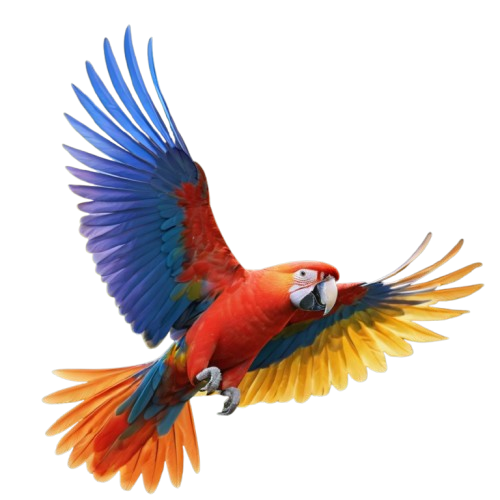
Are macaws suitable for indoor living
Are macaws suitable for indoor living? Yes, macaws can live indoors when they have enough space, daily interaction, a safe environment, and opportunities to exercise. However, these intelligent parrots are large, noisy, long-lived birds that need considerably more attention than many first-time bird owners expect. Before bringing one home, consider your available space, tolerance for loud calls, access to avian veterinary care, and ability to provide daily enrichment. A spacious indoor aviary or a carefully bird-proofed room can work well, but a small cage in a quiet corner is not enough for a macaw to thrive.
Can a Macaw Live Comfortably Inside a House?
A macaw does not necessarily need to live outdoors to be healthy, but indoor housing must be planned around the bird rather than whatever space happens to be available. In a suitable home, a macaw can become part of everyday family life, observing household activities, interacting with its owner, and spending time on a sturdy play stand.
The first thing I would consider is the enclosure. Choose a large, strong cage that allows the bird to spread its wings fully without touching the bars, climb between perches, and play without constantly bumping into toys. Bigger is generally better, provided the cage is secure and appropriately designed. Indoor housing should also include supervised exercise outside the enclosure every day.
Location matters more than some new owners realize. A quiet corner of a well-used living room can be a good choice because the bird can see familiar people without being in the middle of constant foot traffic. Avoid kitchens, smoky rooms, and places exposed to strong chemical fumes. Heated nonstick cookware can release fumes that are extremely dangerous to birds, so keeping macaws away from cooking areas is essential.
There is also the question of noise. Macaws communicate with loud calls, and training will not eliminate their natural vocal behavior. If you live in an apartment with thin walls or have neighbors who expect silence, think carefully before committing.
Finally, indoor living is not the same as leaving a bird in a cage all day. Social interaction, suitable chewing materials, foraging toys, fresh food, clean water, and regular veterinary care all contribute to its welfare. A spacious home helps, but daily care is what makes the arrangement work.
Indoor Macaw Care: Space, Diet and Daily Routine
A healthy indoor routine should balance movement, rest, social contact, and feeding. Macaws are intelligent birds, and an environment that looks attractive to a person can still be dull for a parrot if there is little to explore.
Provide several secure perches with different diameters and textures, plus bird-safe toys that can be chewed and replaced as necessary. Rotate toys rather than offering the same selection indefinitely. Foraging activities, such as encouraging the bird to work safely for part of its food, can provide useful mental stimulation.
Diet deserves equal attention. A nutritionally balanced, species-appropriate formulated parrot diet is generally a good foundation, supplemented with suitable vegetables and other foods recommended by an avian veterinarian. Do not rely on sunflower seeds, peanuts, or fruit alone. A diet dominated by fatty seeds can contribute to nutritional problems over time. Fresh drinking water should always be available.
Establish a predictable sleep schedule, too. Keep the bird away from late-night noise and ensure it has a dark, quiet place to rest. Supervised indoor flight may be possible in a secure room, but close windows, cover or make large glass surfaces visible, turn off ceiling fans, and keep other pets separated.
Regular cleaning is important because food debris, feather dust, and droppings accumulate quickly around large parrots. Arrange routine examinations with a veterinarian experienced in avian medicine, and seek prompt advice if the bird’s appetite, droppings, activity, or feather condition changes.
Which Macaw Species Are Better Suited to Indoor Living?


7
Not every macaw has the same space requirements or temperament. Even smaller species need daily interaction, enrichment, and suitable housing, but their size may make them more practical for certain homes.
- Blue-and-gold macaw: An impressive, social parrot that needs substantial space, plenty of enrichment, and an owner prepared for loud vocalizations.
- Scarlet macaw: Beautiful and intelligent, but demanding. Its large beak, noise, and complex social needs make it unsuitable for many households.
- Green-winged macaw: A very large parrot that needs a particularly robust enclosure and experienced handling.
- Hahn’s macaw: A smaller macaw that may be more manageable in a well-planned indoor environment, although it still needs daily attention and can be noisy.
- Severe macaw: Another smaller option, but individual temperament, activity levels, and care requirements should be assessed before choosing one.
Species comparisons are a starting point, not a guarantee of suitability. Individual birds differ, and no macaw should be chosen simply because it is advertised as friendly or easy to keep.
Finding Responsible Macaw Breeders and Adoption Options
If you decide that indoor macaw ownership suits your circumstances, finding a responsible source is just as important as preparing the enclosure. Rather than relying on a seller’s claims or attractive photographs, ask for information that can be independently checked.
Here are the main options worth investigating:
- Established captive-breeding facilities: Look for transparent breeding practices, appropriate housing, documented bird origins, and clear answers about the species’ needs.
- Avian veterinary referrals: An avian veterinarian may be able to recommend reputable local breeders, rescues, or sanctuaries.
- Parrot rescue organizations: An adoption may suit someone prepared to work with an adult bird whose history and behavior require patience.
- Bird sanctuaries: These can help prospective owners understand the long-term commitment and may have suitable adoption programs.
- Specialist aviculture networks: Seek knowledgeable local bird clubs or aviculture organizations that can help verify a seller’s reputation.
- Legitimate captive-bred bird sellers: Request relevant veterinary records, breeding or origin documentation, and applicable permits before making a commitment.
I would be cautious about anyone who pressures you to pay immediately, refuses reasonable questions, offers an unweaned chick to an inexperienced owner, or cannot explain the bird’s legal origin. Scarlet macaws are subject to international wildlife-trade controls, and the rules governing possession, breeding, transport, and sale depend on the countries involved. Check the applicable requirements before purchasing.
Scarlet Macaw Parrots For Sale Near Me: A Buyer’s Guide
When researching Scarlet Macaw Parrots For Sale Near Me, begin by checking whether a legitimate captive-bred bird is available through a verifiable breeder, rescue organization, or specialist avian network in your area. Availability alone should not determine your choice.
Ask the seller about the bird’s age, weaning status, current diet, temperament, veterinary history, and identification or origin documents. Arrange an independent health examination with an avian veterinarian where possible. A healthy-looking macaw can still have an underlying condition, so appearance alone is not enough.
Before paying a deposit, confirm the total price, transport arrangements, after-sale support, and any permits required for ownership or movement across borders. If you are buying from another country, do not assume the seller can legally export the bird or that you can import it without authorization.
For indoor owners, the most suitable macaw is not necessarily the youngest or most colorful bird. It is the individual whose needs you can meet consistently, including its space, social contact, diet, enrichment, and veterinary care. Take time to compare responsible sources, and be willing to walk away if documentation or welfare standards are unclear.
Conclusion
Macaws can live indoors, but they are not low-maintenance companion birds. Their need for space, exercise, enrichment, social interaction, and a safe environment makes preparation essential. Smaller macaw species may fit some households better than larger ones, although none should be considered effortless to care for.
Before bringing a macaw home, prepare its enclosure, identify an avian veterinarian, assess the noise level you can tolerate, and consider the commitment involved over several decades. Responsible ownership begins with choosing a bird whose needs you can genuinely meet, rather than trying to fit a demanding bird into an unsuitable home.
Frequently Asked Questions
Are macaws suitable for indoor living if you live in an apartment?

They can sometimes be housed indoors in an apartment, but this arrangement is often challenging because macaws need substantial space, daily supervised activity, and regular social interaction. Their loud calls can also disturb neighbors. Before choosing one, assess the available room, building rules, noise restrictions, and access to avian veterinary care. If these needs cannot be met reliably, a macaw may not be the right companion bird for your household.