


Description
Blue Throated Macaw Parrots For Sale
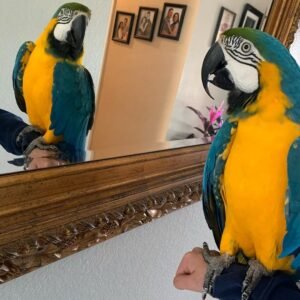
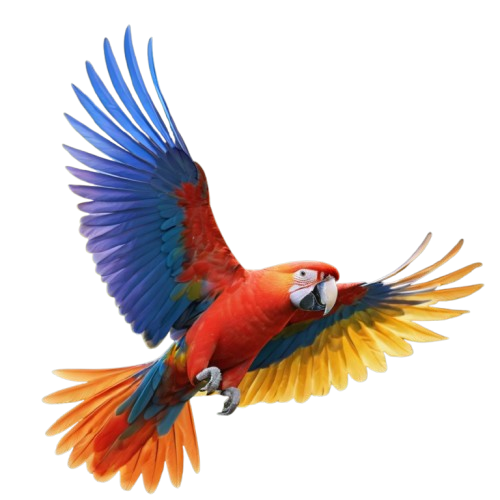
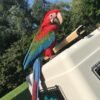
Blue Throated Macaw Parrots For Sale are worth considering if you are looking for a striking companion bird with a lively personality and plenty of character. Recognized by their blue throat, turquoise-blue wings, golden-yellow underparts, and expressive faces, these macaws stand out for more than their beautiful appearance. They are intelligent, social parrots that need daily interaction, suitable housing, a balanced diet, and consistent mental stimulation.
Before choosing a bird, consider the commitment involved. Blue-throated macaws require a spacious, secure enclosure, sturdy bird-safe toys, opportunities for supervised exercise, and regular access to an avian veterinarian. Their powerful beaks and naturally loud calls also make them better suited to households prepared for the realities of living with a large parrot.
When comparing Blue Throated Macaw Parrots For Sale, ask about the bird’s age, current diet, veterinary history, identification records, and previous handling experience. A responsible seller should be willing to explain the bird’s background and discuss its individual needs rather than simply focus on its appearance.
Why Choose a Blue-Throated Macaw?
Choosing a macaw means welcoming an intelligent, active bird into your daily life. This species is known for its distinctive blue throat, golden chest, strong beak, and ability to form close social bonds. With appropriate care, patience, and positive reinforcement, these birds can become engaging companions for people who understand their needs.
A suitable home should include a large, secure enclosure, safe climbing opportunities, chewable toys, and plenty of supervised time outside the cage. Fresh drinking water, a nutritionally balanced diet formulated for large parrots, and guidance from an avian veterinarian are essential parts of responsible ownership.
Can macaws learn tricks?
Yes, macaws can learn tricks through patient, reward-based training. They may learn to step onto a hand or perch, turn around, wave, retrieve an object, or respond to simple cues. Keep training sessions short, use small bird-safe rewards, and finish on a positive note. Never force a bird to perform or punish it for getting something wrong. Consistency and trust are more valuable than speed. Read our guide on Can macaws learn tricks for practical training ideas you can introduce gradually.