

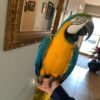

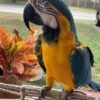
Description
Hyacinth Macaw Parrots For Sale Near Me
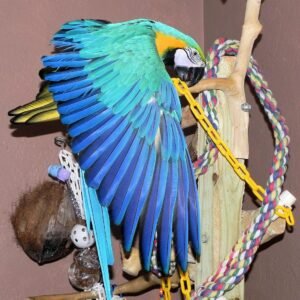
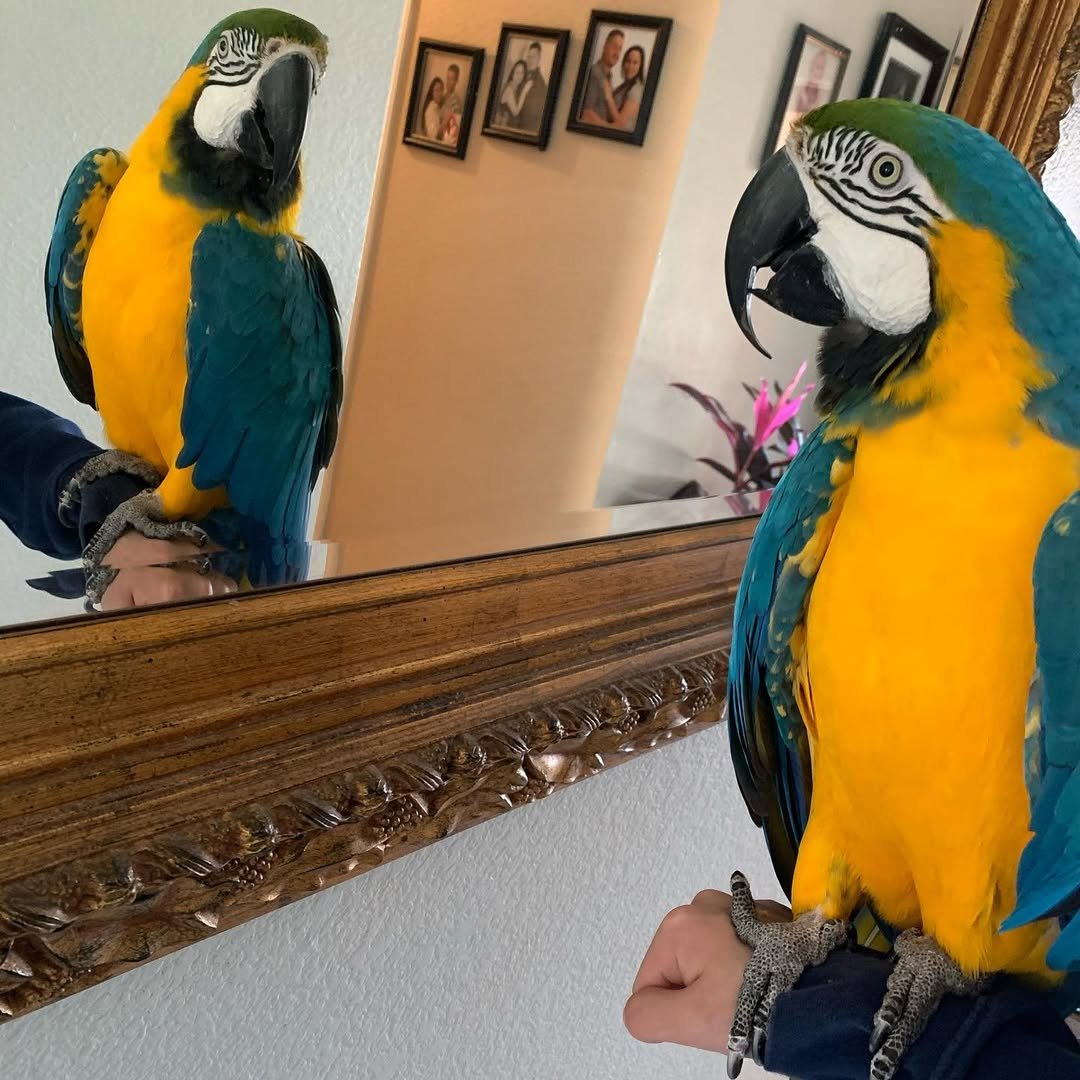
Finding the right macaw takes more than choosing the bird with the brightest feathers. Hyacinth Macaws are admired for their deep cobalt-blue plumage, striking yellow skin around the eyes and lower beak, and impressive size. They are intelligent, powerful parrots that need experienced, committed care, a spacious environment, and plenty of daily enrichment. If you are searching locally, take time to assess the seller, the bird’s background, and the arrangements for safe transport before making a decision. Ask for health records, confirmation of independent feeding, and documentation showing lawful ownership and origin. Hyacinth Macaws have specialized dietary needs, including appropriate sources of nuts, and benefit from guidance from an avian veterinarian. Their long lifespan also means planning for care over many decades. A responsible purchase begins with understanding what this remarkable species needs, not simply how beautiful it looks.
What to Expect From a Hyacinth Macaw
The Hyacinth Macaw is the largest flying parrot species by length, recognized by its rich blue feathers, yellow facial markings, and exceptionally strong beak. Its beauty is matched by demanding care requirements, making it a better choice for a well-prepared owner than someone seeking a low-maintenance pet.
When evaluating Hyacinth Macaw Parrots For Sale Near Me, ask to see the actual bird and confirm its age, health history, feeding habits, and legal documentation. A suitable enclosure must provide generous room for movement and withstand powerful chewing. Supply bird-safe branches, durable enrichment toys, and supervised exercise opportunities.
Nutrition deserves particular attention. Hyacinth Macaws naturally consume palm nuts, so their dietary needs differ from those of many other parrots. Work with an avian veterinarian to establish a balanced feeding plan rather than relying on an all-seed diet or offering unlimited high-fat foods.
These macaws are intelligent and socially demanding. Daily interaction, consistent routines, and opportunities to forage help support their well-being. Before purchasing, make sure you can accommodate their noise, substantial space requirements, and potentially decades-long lifespan.
How often should macaw cages be cleaned?
Macaw cages need daily maintenance and a thorough cleaning at least weekly, with additional cleaning whenever the enclosure becomes dirty. Replace soiled cage liners daily, wash food and water bowls every day, and remove leftover fresh food before it spoils. Wipe dirty perches and toys as needed. During a deeper clean, remove accumulated droppings and food debris, then use an appropriate bird-safe cleaning product according to its directions. Rinse thoroughly and allow everything to dry before returning the bird. See our guide: How often should macaw cages be cleaned.