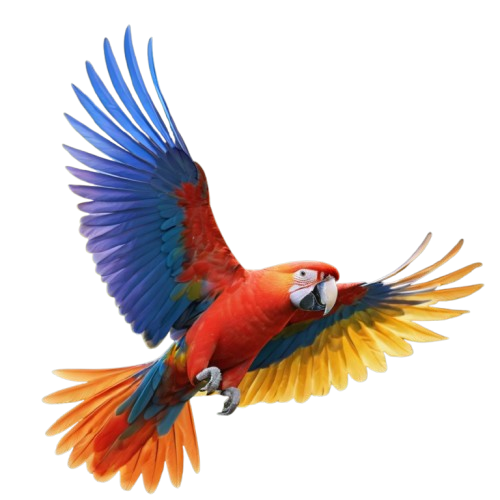
Why do cockatoo parrots raise their crests
Why do cockatoo parrots raise their crests? A cockatoo lifts its crest to communicate excitement, curiosity, surprise, fear, or alertness, depending on what is happening around it. That beautiful fan of feathers is more than decoration; it gives you useful clues about your bird’s emotional state. The important thing is to look beyond the crest itself. A relaxed cockatoo greeting a familiar person may raise its feathers out of excitement, while one that feels threatened may lift its crest alongside a stiff posture, wide eyes, or an open beak. Learning to read these differences helps you understand your bird, respond calmly, and build a stronger relationship with it.
Why Do Cockatoo Parrots Raise Their Crests? Understanding the Behavior
A cockatoo’s crest is one of its most noticeable features, and it can move surprisingly quickly. One moment, the feathers lie close to the head; the next, they spread into a striking fan. This movement helps the bird communicate its level of excitement or alertness. However, it does not have one fixed meaning.
1. Excitement and happiness
One common reason cockatoos raise their crests is excitement. Your bird might lift its feathers when you enter the room, bring out a favorite toy, or offer a food it particularly enjoys. It may also bob its head, move from side to side, or make enthusiastic calls.
If the bird’s body looks relaxed and it willingly approaches you, the raised crest may be part of a friendly interaction. Still, don’t assume that every excited bird wants to be touched. Give it room to decide whether it wants to interact.
2. Curiosity about something new
Cockatoos are intelligent, observant parrots. An unfamiliar sound, a new object near the cage, or a visitor entering the room can prompt a sudden crest raise. Your bird may simply be paying close attention to what has changed.
Watch what happens next. Does it lean forward to investigate, turn its head, or calmly return to what it was doing? Those behaviors can suggest interest rather than distress.
3. Fear, surprise, or feeling threatened
A raised crest can also signal alarm. A cockatoo may react this way to a sudden noise, an unfamiliar person, or an approach that feels too close. Other signs might include a stiff upright stance, wide eyes, an open beak, hissing, or an attempt to move away.
When you notice these signals together, stop approaching and give your bird space. Never force physical contact just because it is a familiar pet.
4. Playful displays and social communication
During play, some cockatoos raise their crests while spreading their wings, bobbing their heads, or moving energetically around a perch. These displays can be entertaining to watch. Cockatoos also use posture and feather position to communicate with other birds, and crest displays may occur during courtship.
The meaning depends on the entire interaction, not simply how high the feathers rise.
5. Different species, different personalities
Sulphur-crested cockatoos, umbrella cockatoos, and other crested species can all raise their feathers, but individual birds differ in how frequently and dramatically they do it. Some react visibly to nearly everything; others show subtler changes.
Spend time observing your bird during ordinary activities. Notice what its crest looks like when resting, eating, playing, and meeting unfamiliar people. Over time, you will learn its usual patterns and recognize when something seems different.
How to Read Your Cockatoo’s Crest and Body Language


8
Rather than interpreting one movement in isolation, consider the surrounding circumstances.
| What you notice | Possible meaning | How to respond |
|---|---|---|
| Crest raised when you arrive | Excitement or interest | Speak calmly and let the bird approach |
| Crest raised while watching a new object | Curiosity or alertness | Allow it to investigate at its own pace |
| Raised crest with hissing or lunging | Distress or defensive behavior | Stop reaching toward the bird and give it space |
| Crest raised during energetic play | High excitement or playfulness | Keep the environment safe and watch for signs of overstimulation |
| Crest lowered while resting | Relaxation, depending on the bird’s posture | Allow it to rest undisturbed |
These are useful guidelines, not absolute rules. Parrot body language varies, and even the same bird can use a similar posture in different situations.
What should you do when your cockatoo raises its crest?
First, remain calm. Avoid shouting, waving your hands, or immediately reaching toward the bird’s head. Those reactions can increase excitement or fear.
Next, look at the bird’s eyes, beak, wings, tail, and overall posture. If it appears curious, you can offer a familiar toy or interact gently from a comfortable distance. If it looks tense or defensive, step back and let it settle.
Pay attention to patterns, too. If a normally relaxed cockatoo suddenly becomes persistently agitated, or its behavior changes alongside reduced appetite, unusual breathing, or other signs of illness, contact an avian veterinarian. A crest movement by itself is usually not a medical emergency, but a wider change in behavior deserves attention.
Cockatoo Parrots for Sale: Choosing a Bird With the Right Temperament
Understanding crest behavior is useful when choosing a cockatoo, particularly if you are bringing one home for the first time. A bird that raises its crest when you approach may be excited, curious, or uncertain. Instead of judging its temperament from one moment, observe how it responds to people, food, toys, and changes in its surroundings.
If you are researching Cockatoo Parrots For Sale, take time to learn about the species and the care each bird requires before making a decision. Umbrella cockatoos are known for their expressive crests and strong need for social interaction, while sulphur-crested cockatoos are active birds that need plenty of space, enrichment, and patient handling. Individual personalities still matter enormously.
Before choosing a bird, ask the breeder about its age, weaning status, diet, veterinary history, and behavior around people. Arrange to see the bird in person or request a live video interaction where possible. Look for clear eyes, clean feathers, normal breathing, and alert but comfortable behavior. An independent veterinary examination by an avian veterinarian is also a sensible precaution.
Remember that cockatoos can live for decades and require substantial daily attention. Choose one because you can meet its long-term needs, not simply because its crest looks beautiful.
Where to Find a Reputable Cockatoo Breeder
Rather than relying on an unverified list of supposedly top breeders, use these checks when comparing sellers in your area:
- Established avian breeders: Look for breeders who can explain their birds’ backgrounds, daily care, and socialization.
- Avian veterinarians: Ask for recommendations on reputable local breeders or responsible adoption options.
- Parrot rescue organizations: Consider adoption if you can provide a suitable long-term home for a bird that needs one.
- Transparent sellers: Choose someone willing to answer questions, provide appropriate documentation, and explain the bird’s individual needs.
- Responsible placement: Avoid sellers who rush payment, cannot verify the bird’s origin, or offer to send an unweaned chick to an inexperienced owner.
Confirm local wildlife regulations and any applicable import or ownership requirements before purchasing a cockatoo.
Conclusion
Why do cockatoo parrots raise their crests? Usually, it is a form of communication linked to excitement, curiosity, alertness, fear, or social interaction. The key is learning what the movement means for your particular bird by observing its posture, sounds, surroundings, and behavior over time.
A cockatoo’s crest can tell you a great deal, but patience and careful observation will tell you even more. Respect its signals, give it space when necessary, and build trust through consistent, positive interactions.
Frequently Asked Question
Does a raised crest mean a cockatoo is happy?

Not always. A raised crest can indicate happiness or excitement, but it can also signal surprise, fear, or agitation. Look at the bird’s entire body language and what is happening around it. If the cockatoo is relaxed and willingly interacting with you, the movement may be positive. If it is hissing, lunging, or holding its body stiffly, give it space instead of trying to handle it.