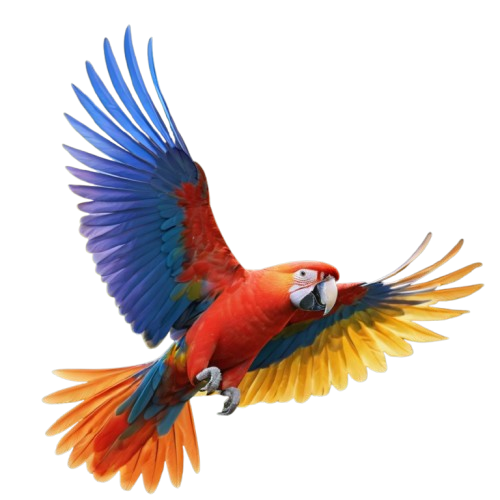
What temperature is best for macaws
What temperature is best for macaws depends on their species, age, health, feather condition, and whether they are accustomed to indoor or outdoor living. For most healthy pet macaws, a comfortable room temperature of around 70–80°F (21–27°C) is a practical starting point, provided the environment is stable and free from cold drafts, overheating, and sudden temperature changes. Macaws need more than warmth alone; good ventilation,
appropriate humidity, shade, and access to fresh water all contribute to their comfort. Young, sick, or recovering birds may need additional temperature support under veterinary guidance. Whether you already keep a macaw or are preparing for one, understanding its temperature needs helps you create a safer home.
What Temperature Is Best for Macaws in a Home?
For a healthy adult macaw, I generally recommend keeping the room comfortably warm and stable rather than trying to maintain an exact number every hour. A household temperature of 70–80°F is a sensible starting range for many pet macaws. Healthy birds can tolerate some variation, but sudden changes, direct cold air from an air conditioner, and rooms that become excessively hot deserve attention.
A digital thermometer placed near the cage helps you understand the conditions your bird actually experiences. A thermostat on the opposite side of the house may tell you very little about the temperature beside a sunny window.
Best Temperature for Different Macaw Species
Blue-and-gold, scarlet, green-winged, and other large macaws generally do well in a stable indoor environment. Smaller species, such as Hahn’s macaws and other mini macaws, also need protection from chilling and overheating. There is no reliable universal temperature that applies to every species and every individual.
- Blue-and-gold macaws: Keep the room comfortably warm, with shade and good airflow.
- Scarlet macaws: Avoid placing their cage in direct sunlight without a shaded retreat.
- Green-winged macaws: Maintain stable conditions and monitor the temperature in larger indoor or outdoor enclosures.
- Mini macaws: Pay close attention to drafts and sudden temperature drops, especially when birds are young or unwell.
These are practical husbandry considerations rather than separate, scientifically established temperature targets for each species. The bird’s condition and previous environment matter as much as its name.
How to Keep Macaws Comfortable in Hot Weather
Macaws can struggle when a room or aviary becomes hot and poorly ventilated. In warm climates, the temperature inside an enclosed aviary may rise well above the outdoor temperature, particularly under a metal roof or in direct afternoon sunlight.
Provide permanent shade, fresh drinking water, and enough ventilation for warm air to escape. A bird should always be able to move away from direct sunlight. If you use a fan, avoid directing a strong stream of air straight at the bird.
Watch for panting, open-mouth breathing, holding the wings away from the body, or unusual weakness. These signs can indicate heat stress. Move the macaw to a cooler, shaded, well-ventilated area and contact an avian veterinarian promptly if symptoms are significant or do not settle quickly. Collapse or severe breathing difficulty requires urgent veterinary attention.
What Temperature Is Too Cold for a Macaw?
There is no single outdoor temperature that is safe or dangerous for every macaw. A healthy, fully feathered bird accustomed to gradual seasonal changes may tolerate conditions that would be unsuitable for a young, sick, or indoor-acclimated bird.
Avoid sudden drops in temperature, cold drafts, and prolonged exposure to cold rain. If your macaw spends time in an outdoor aviary, provide a dry, sheltered area where it can escape wind and wet weather. Do not assume that a bird is comfortable simply because it has thick feathers.
Persistent fluffed feathers, shivering, reduced activity, or sitting unusually low on a perch can indicate discomfort or illness. If these signs continue, seek veterinary advice rather than relying on extra warmth alone.
A sick macaw may require a warmer environment than a healthy bird, but the appropriate temperature should be guided by an avian veterinarian. Heating equipment can cause burns or overheating, and heaters that release harmful fumes should never be used around parrots.
Setting Up the Right Temperature for a Macaw
Temperature management starts with cage placement. I would avoid putting a macaw’s cage directly beside an air conditioner, an open window with a strong draft, or a window that receives intense afternoon sun. Even a room that feels pleasant to you can become uncomfortable for a bird when sunlight heats one side of the cage.
A few simple habits make a difference:
- Use a digital thermometer. Check temperatures near the bird’s usual perching area, including during the warmest and coolest parts of the day.
- Keep conditions consistent. Gradual changes are generally easier for an acclimated bird to handle than abrupt temperature swings.
- Provide fresh water daily. In hot weather, check drinking water more frequently and offer a suitable bathing opportunity.
- Inspect outdoor aviaries. Check for hot roofs, poor airflow, exposed perches, and areas where rain can collect.
- Use heating equipment cautiously. Keep electrical cords and heat sources out of reach, and allow the bird to move away from supplemental heat.
Humidity also matters, particularly in homes where air conditioning or heating makes the air very dry. Clean water, appropriate bathing opportunities, and reasonable ventilation help maintain a comfortable environment. Avoid creating a damp, stagnant enclosure in an attempt to imitate a tropical climate.
Choosing a Macaw: Species and Breeder Checklist
If you are preparing to bring home a macaw, temperature is only one part of the decision. Different macaw species have different space requirements, activity levels, and personalities.
Here are some commonly kept species to research:
- Blue-and-gold macaw: A large, intelligent parrot that needs substantial space, daily interaction, and enrichment.
- Scarlet macaw: Known for its striking plumage and strong personality; consistent handling and training are important.
- Green-winged macaw: A large bird that requires a sturdy enclosure, suitable toys, and considerable daily care.
- Hyacinth macaw: An exceptionally large species with specialized dietary, housing, and financial requirements.
- Hahn’s macaw: A smaller macaw that still needs enrichment, social contact, and a secure enclosure.
How to Choose a Responsible Macaw Breeder
Rather than relying on a seller’s ranking or advertising claims, look for a breeder who can demonstrate the following:
- Clear health information: Ask for veterinary records and details of any examination or testing performed.
- Transparent rearing practices: The breeder should explain how the bird was raised, socialized, and weaned.
- Accurate identification: Confirm the species, age, origin, and any required legal documentation.
- Suitable living conditions: Look for clean enclosures, fresh food and water, and opportunities for natural activity.
- Ongoing guidance: A responsible breeder should be willing to discuss diet, housing, behavior, and veterinary care after purchase.
I would not choose a macaw based on color or price alone. A healthy bird with a well-documented history is a much better starting point than an inexpensive bird whose background cannot be verified.
Macaw for Sale: What Should You Know Before Buying?
If you are looking for a Macaw for sale, consider the bird’s health, age, species, temperament, and rearing history before making a commitment. Ask whether the macaw is fully weaned and independently eating an appropriate diet. Never take an unweaned chick home simply because a seller promises that hand-feeding will help it bond with you.
Also consider the practical costs. Large macaws need a spacious, secure cage, durable enrichment toys, a balanced diet, regular veterinary care, and daily interaction. They can be noisy, destructive when bored, and remarkably long-lived, so ownership requires a serious long-term commitment.
Before paying a deposit, request clear photographs or an in-person viewing where appropriate, verify the seller’s identity, and ask for available veterinary and legal documentation. Be especially cautious if a seller refuses reasonable questions or pressures you to pay immediately.
Choose a bird whose needs fit your home, experience, and budget. The right match matters far more than finding the fastest available purchase.
Conclusion
The best temperature for macaws is generally a stable indoor environment around 70–80°F (21–27°C), with adjustments based on the individual bird’s health and acclimation. Shade, ventilation, fresh water, and protection from drafts are just as important as the thermometer reading. Monitor your macaw’s behavior, make environmental changes gradually, and seek advice from an avian veterinarian if the bird shows signs of heat stress, chilling, or illness.
Frequently Asked Questions
What temperature is best for macaws at night?

Many healthy pet macaws can sleep comfortably in a room maintained around 70–80°F (21–27°C). Avoid sudden nighttime temperature drops, direct drafts, and unsafe heating devices. If your bird is young, ill, or recovering, ask an avian veterinarian whether additional warmth is appropriate.