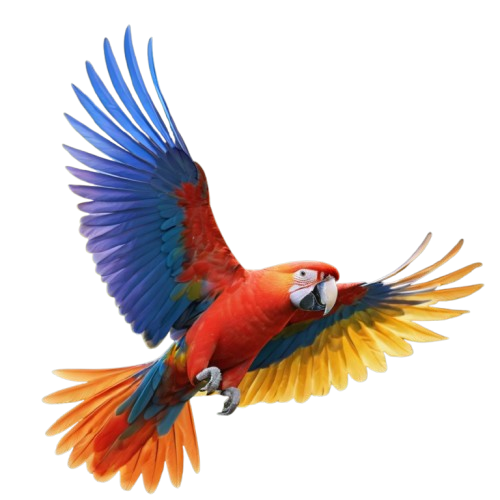
What is the difference between a male and female cockatoo parrot
What is the difference between a male and female cockatoo parrot
The difference between a male and female cockatoo parrot often comes down to eye color, plumage details, body characteristics, and reproductive behavior, although the exact signs depend on the species. Some cockatoos show noticeable differences as adults, while others look almost identical, making a DNA test the most reliable way to determine sex. If you are planning to buy a cockatoo, choosing a healthy, well-socialized bird matters just as much as knowing whether it is male or female. Before making a decision, it helps to understand the differences, the limits of visual identification, and what to ask a responsible breeder.
What Is the Difference Between a Male and Female Cockatoo Parrot?
One of the first things I would tell a prospective cockatoo owner is not to rely on appearance alone. With some cockatoos, you can make a reasonably informed guess by looking at the eyes or feathers. With others, even an experienced keeper cannot confidently identify the sex just by watching the bird.
Male cockatoos may have darker brown or nearly black irises, depending on the species, while females of certain species develop reddish, reddish-brown, or lighter brown irises as they mature. This difference is particularly useful when comparing mature birds, but it is not a universal rule.
Body size can sometimes offer another clue. Males of some species may be larger or have broader heads, yet individual birds overlap in size. A large female can easily be mistaken for a male.
Behavior is even less dependable. Both sexes can become affectionate, independent, territorial, playful, or noisy. Hormones, socialization, environment, and individual temperament all influence how a cockatoo behaves.
For anyone considering a purchase, the sensible approach is to combine species-specific knowledge with reliable sex testing rather than paying extra for a bird based on an unconfirmed guess.
Male vs. Female Cockatoo: Differences by Species
The easiest way to understand cockatoo sex differences is to look at individual species rather than assume every cockatoo follows the same pattern.
1. Glossy Black Cockatoo


6
The Glossy Black Cockatoo is one of the more visually distinctive examples. Adult males typically have brownish-black plumage and largely solid red tail panels. Females usually show yellow markings around the head and neck, with orange-red tail panels crossed by black bars. These differences make visual identification easier than it is with many white cockatoos.
2. Sulphur-Crested Cockatoo


Adult males often have very dark irises, whereas mature females may develop reddish-brown irises. However, lighting, age, and individual variation can make this clue difficult to interpret. Eye color alone should not be treated as definitive proof.
3. Umbrella Cockatoo


7
Male and female Umbrella Cockatoos look remarkably similar. Some mature females have lighter or reddish-brown irises, but this is not a dependable way to identify every individual. A DNA test is a better choice when the bird’s sex needs to be confirmed.
4. Galah Cockatoo


Galahs have pink and grey plumage, and the sexes can be difficult to distinguish at a glance. Iris color may provide a clue in mature birds, but it is better to confirm the species-specific characteristics with a knowledgeable avian professional rather than make a purchase based on appearance alone.
How to Tell Whether a Cockatoo Is Male or Female
When evaluating a cockatoo, I would consider these practical identification methods in order of usefulness.
- DNA sexing: Ask for documentation from a reputable testing laboratory or avian veterinarian. This is generally the preferred non-surgical method for confirming sex.
- Species-specific physical characteristics: Examine eye color, tail markings, head markings, and bill color where those differences are established for the species.
- Age: Young birds may not yet display the adult characteristics used to distinguish males from females.
- Breeding history: Documented egg-laying confirms that a bird is female, although the absence of eggs tells you very little.
- Veterinary examination: An avian veterinarian can explain the appropriate options for sex determination and assess the bird’s overall health.
Avoid relying on body size, head shape, or behavior alone. These characteristics vary considerably, and an incorrect guess can create unnecessary confusion if you intend to establish a breeding pair.
Glossy Black Cockatoo Parrots for Sale: What Buyers Should Know
If you are researching Glossy Black Cockatoo parrots for sale, it is important to understand that these birds are not ordinary companion parrots. Glossy Black Cockatoos are Australian native wildlife, and some populations face conservation pressures. Their legal protection and trade requirements depend on the species, population, and jurisdiction.
Before considering one, verify that the seller is legally authorized to offer the bird and can provide appropriate documentation of its origin, ownership, and any required permits. Never assume that a bird advertised online is legally available for private ownership or international shipment.
If your main goal is to identify a male or female Glossy Black Cockatoo, examine the tail markings and head coloration. Adult males generally have solid red tail panels, while females usually have yellow head markings and barred orange-red tail panels. Juveniles can display characteristics that complicate identification, so age matters.
A useful next step is to read the species information on your website before making a purchase decision. You can link the phrase Glossy Black Cockatoo parrots for sale to your relevant page so visitors can explore your information directly. Replace the placeholder with your actual page URL before publishing.
Choosing a Cockatoo: A Responsible Buyer’s Guide
For people who are comparing male and female cockatoos before buying, here is a practical checklist to use when speaking with a breeder.
- Confirm the species. Ask for the bird’s correct species name and, where applicable, subspecies. Similar-looking parrots may have different identification features and legal requirements.
- Request sex documentation. If knowing the sex is important to you, ask whether the bird has been DNA-sexed and whether the results are available.
- Check the bird’s health. Look for bright, responsive behavior, clean nostrils, smooth breathing, and well-maintained feathers. Arrange an examination with an avian veterinarian.
- Ask about age and weaning. Confirm the bird is fully weaned and eating independently before taking it home. Do not select an unweaned chick simply because it appears easier to bond with.
- Discuss temperament. Ask how the bird responds to handling, new people, toys, and everyday household activity. A bird’s individual personality is more informative than assumptions about its sex.
- Review feeding requirements. Cockatoos need a balanced, species-appropriate diet, with suitable formulated food and fresh vegetables. Their dietary needs should be discussed with an avian veterinarian.
- Assess noise and space. Cockatoos can be loud and need substantial enrichment, room to move, and regular social interaction. Make sure your household can accommodate these needs.
- Check legal documents. Verify ownership records, applicable permits, transport requirements, and any restrictions before paying a seller.
A Note About Finding Breeders
Rather than trusting a list of sellers simply because they appear at the top of search results, investigate their credentials, bird welfare practices, documentation, and willingness to answer questions. For protected wildlife such as Glossy Black Cockatoos, legal authorization and conservation considerations must come first.
Because no country or city was specified, it would be misleading to invent a location-based list of the “top breeders.” The right approach is to verify reputable, legally authorized sources in the buyer’s actual jurisdiction.
Conclusion
The difference between a male and female cockatoo parrot depends largely on the species. Glossy Black Cockatoos have distinctive tail and head markings, while many white cockatoos show subtler differences, particularly in adult eye color. DNA testing remains the sensible choice when certainty matters.
If you are planning to buy a cockatoo, focus on verified sex, good health, suitable temperament, responsible sourcing, and the bird’s long-term care requirements. Choosing carefully at the beginning can prevent misunderstandings later.
Frequently Asked Question
Can you tell if a cockatoo is male or female by looking at it?

Sometimes. Adult Glossy Black Cockatoos can often be distinguished by their markings, and mature birds of certain other species may show differences in iris color. However, many cockatoos look almost identical regardless of sex. For a dependable answer, ask an avian veterinarian or reputable testing laboratory about DNA sexing. This is particularly important when choosing a bird for a breeding program or purchasing one advertised as a confirmed male or female.