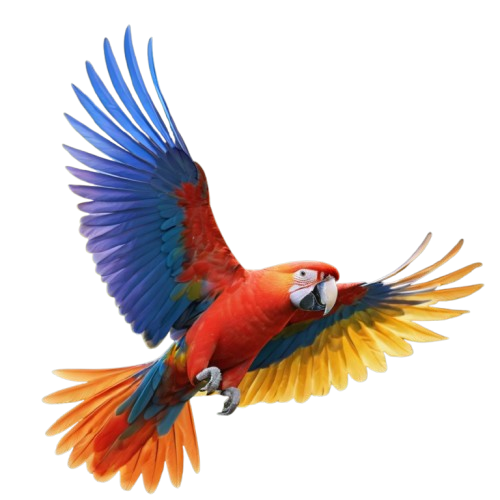
What foods should I feed my cockatoo parrot for optimal health
What foods should I feed my cockatoo parrot for optimal health? A balanced cockatoo diet should consist mainly of a suitable formulated parrot pellet, supplemented with fresh vegetables, modest portions of fruit, and carefully selected whole foods. Seeds and nuts can be useful treats, but they should not make up most of the diet. Cockatoos need the right balance of nutrients to support their feathers, bones, immune system, and natural activity. The best feeding routine is varied but consistent, with fresh water available every day and foods that are safe for your bird’s particular species and health needs.
Best Foods for a Healthy Cockatoo Diet
1. Formulated parrot pellets
For many adult cockatoos, a high-quality formulated pellet should provide the foundation of the diet. Veterinary guidance commonly recommends around 75–80% pellets, with the remainder made up largely of vegetables and smaller amounts of fruit and other appropriate foods. The ideal proportions can vary with the individual bird, so confirm the plan with an avian veterinarian.
Choose a product designed for cockatoos or similarly sized parrots, taking your bird’s life stage into account. Avoid relying on colorful treats or seed mixes as the main source of nutrition.
2. Fresh vegetables and leafy greens
Vegetables provide variety and valuable nutrients. Good options include:
- Broccoli and cauliflower
- Carrots and bell peppers
- Kale and other suitable leafy greens
- Pumpkin and squash
- Green beans and peas
- Cooked sweet potato
Wash produce thoroughly and serve it in manageable pieces. Some birds prefer vegetables raw, while others accept them more readily lightly steamed. Try different textures instead of assuming your cockatoo dislikes a vegetable after one refusal.
3. Fruit as a small daily addition
Fruit can make meals more interesting, but it should not crowd out the more nutritionally important parts of the diet. Offer small portions of washed berries, papaya, melon, or apple with the seeds and core removed.
Fruit contains natural sugars, so variety and portion size matter. A cockatoo that fills up on sweet fruit may ignore its pellets and vegetables.
4. Cooked grains and legumes
Plain cooked oats, brown rice, quinoa, and thoroughly cooked beans or lentils can add variety when included in a balanced feeding plan. Do not add salt, sauces, sugar, or seasoning.
These foods can also be useful for foraging activities. Hide a small portion in a bird-safe puzzle feeder so your cockatoo has to investigate rather than simply eat from a bowl.
5. Nuts and seeds as occasional rewards
Almonds, walnuts, and other appropriate nuts may be useful as small rewards during training. However, many nuts and seeds are energy-dense, and excessive amounts can contribute to an unbalanced diet or weight gain. Keep portions modest and avoid moldy nuts or salted snack mixes.
Foods Cockatoo Parrots Should Never Eat
Knowing what to avoid is just as important as choosing nutritious foods. Some everyday human foods can be dangerous to parrots.
| Food or substance | Why to avoid it |
|---|---|
| Avocado | Can cause serious toxicity in birds |
| Chocolate | Contains substances toxic to birds |
| Coffee, tea, and other caffeine sources | Can affect the heart and nervous system |
| Alcohol | Toxic even in relatively small amounts |
| Heavily salted snacks | Excess salt can be harmful |
| Moldy food or nuts | May contain dangerous toxins |
| Onion and garlic | Best avoided because of potential toxicity and adverse effects |
Also protect your cockatoo from fumes produced by overheated nonstick cookware, smoke, and certain household chemicals. These hazards can be particularly dangerous to birds.
How to Introduce a Healthier Diet
If your cockatoo has eaten seeds for years, don’t suddenly replace its familiar food with pellets and expect it to adapt overnight. Some parrots do not recognize new foods as edible, and an abrupt change can lead to inadequate food intake.
Introduce new foods gradually while monitoring the bird’s weight, appetite, and droppings. Make sure it is actually eating the replacement food rather than picking around it. Never starve a bird into accepting a new diet.
If your cockatoo refuses its food, loses weight, or produces noticeably fewer droppings during the transition, contact an avian veterinarian promptly. Birds can become seriously ill when they do not eat enough. Veterinary advice is particularly important for underweight, sick, or very young birds.
Finding a Responsible Umbrella Cockatoo Breeder
If you are considering an umbrella cockatoo, nutritional care should be part of your decision before you bring the bird home. A responsible breeder should explain the bird’s current diet, demonstrate what it eats, and provide clear information about its age, weaning status, health history, and daily routine.
When searching for an umbrella cockatoo for sale near me, consider these options:
- Specialist cockatoo breeders: Look for experience raising and caring for umbrella cockatoos.
- Avian veterinary referrals: Ask bird veterinarians for recommendations and advice about health checks.
- Parrot rescue organizations: Consider adopting a cockatoo whose dietary habits and temperament are already known.
- Established avicultural groups: Seek reputable contacts and information about responsible bird ownership.
- Transparent sellers: Avoid anyone who cannot explain the bird’s diet, origin, or health documentation.
Before purchasing, arrange an independent examination with an avian veterinarian where possible. Check the applicable ownership and wildlife regulations, especially if the bird will cross national borders.
A healthy feeding routine is easier to maintain when you know what your bird has been eating and can make changes gradually. Choose a source that puts the cockatoo’s welfare ahead of a quick sale.
Conclusion
What foods should I feed my cockatoo parrot for optimal health? Start with a suitable formulated pellet diet, offer a varied selection of fresh vegetables, provide modest portions of fruit, and use nuts, seeds, and other treats sparingly. Clean water, safe food preparation, and careful monitoring are essential parts of the routine.
Every cockatoo is an individual. Pay attenYes, most healthy cockatoos can have small portions of suitable fresh fruit as part of a balanced diet. Berries, papaya, melon, and seedless apple pieces are possible options. However, fruit should remain a limited part of the overall diet because its natural sugars can displace more nutritious foods. Offer a variety of vegetables and an appropriate formulated pellet diet as the main nutritional foundation, and ask an avian veterinarian about any special dietary needs your bird may have.tion to what your bird actually eats, maintain a healthy weight, and consult an avian veterinarian before making major dietary changes or adding supplements. A thoughtful feeding routine today can help support your parrot’s health for years to come.
Frequently Asked Question
Can cockatoo parrots eat fruit every day?

Yes, most healthy cockatoos can have small portions of suitable fresh fruit as part of a balanced diet. Berries, papaya, melon, and seedless apple pieces are possible options. However, fruit should remain a limited part of the overall diet because its natural sugars can displace more nutritious foods. Offer a variety of vegetables and an appropriate formulated pellet diet as the main nutritional foundation, and ask an avian veterinarian about any special dietary needs your bird may have.