What do ringneck parakeets eat
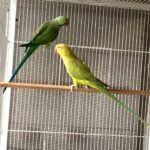
What do ringneck parakeets eat? Ringneck parakeets thrive on a varied diet of quality formulated pellets, fresh vegetables, limited fruit, and small portions of suitable seeds. The right balance supports healthy feathers, strong bones, normal digestion, and an active temperament. Whether you already keep one of these intelligent parrots or are preparing to bring one home, knowing what belongs in its food bowl—and what should never be offered—is an important part of responsible care.
What Do Ringneck Parakeets Eat Every Day?
In caring for ringneck parakeets, variety matters, but balance matters even more. A bowl full of sunflower seeds may look appealing to a bird, yet a seed-heavy diet can provide excessive fat and leave important nutritional gaps. I would rather see a bird gradually accept several nutritious foods than eagerly eat only one favourite seed.
A well-planned daily menu generally includes formulated parrot pellets, a generous selection of suitable vegetables, a modest amount of fruit, and limited seeds or nuts. The exact proportions depend on the bird’s age, health, activity, and current diet. Pellets are commonly recommended as the nutritional foundation for companion parrots, although an individual bird may need a different plan under veterinary supervision.
Fresh food should be washed thoroughly and served in manageable pieces. Remove uneaten perishable food after a few hours, sooner in hot weather, because bacteria can multiply quickly. Keep drinking water available throughout the day.
One small but important point: never assume a parakeet is eating enough simply because its bowl looks empty. Some birds scatter food, discard pellets, or selectively eat their favourite pieces. Watch what actually goes into the bird’s mouth.
Best Vegetables and Fruits for Ringneck Parakeets
A practical feeding guide for everyday meals

Vegetables to offer regularly
Broccoli, carrots, kale, romaine lettuce, bell peppers, peas, green beans, zucchini, squash, and cooked sweet potato are useful choices. Rotate the selection instead of serving exactly the same combination every day. Wash produce carefully and chop it into pieces your bird can handle comfortably.

Fruits for occasional variety
Small portions of blueberries, mango, papaya, banana, melon, and apple can add variety. Remove apple seeds and all fruit pits before serving. Fruit is nutritious, but it should not crowd out vegetables or a balanced pellet diet because it contains natural sugars.

Cooked grains and legumes
Plain, thoroughly cooked lentils, chickpeas, brown rice, and quinoa can complement the regular diet. Let them cool before feeding, and avoid salt, oil, seasoning, and sauces. Any soaked or sprouted seeds must be prepared hygienically because damp conditions encourage bacterial growth.
These choices are consistent with guidance from veterinary and animal-welfare resources, including the Merck Veterinary Manual and SPCA New Zealand.
What Foods Should Ringneck Parakeets Never Eat?
Some household foods are unsafe even in small quantities. Keep the following away from your bird:
- Avocado: Can cause severe poisoning in birds.
- Chocolate and cocoa: Contain substances toxic to birds.
- Coffee, energy drinks, and other caffeine sources: Can affect the heart and nervous system.
- Alcohol: Should never be offered.
- Onions and garlic: Best avoided because of potential toxicity.
- Apple seeds and fruit pits: Remove them before serving fruit.
- Salty snacks, fried food, and heavily processed meals: These are unsuitable for a balanced parrot diet.
If your parakeet eats a potentially toxic food, contact an avian veterinarian promptly rather than waiting for symptoms.
A Simple Daily Feeding Routine
A consistent routine makes it easier to see whether your bird is eating properly. In the morning, offer fresh water, its usual measured portion of formulated pellets, and washed vegetables. Later in the day, you can provide a small piece of fruit or a little plain cooked grain, depending on the bird’s established diet.
Remove leftover fresh food before it spoils. Clean the bowls, and keep an eye on the bird’s droppings and appetite. If you are changing a seed-fed bird to pellets, do it gradually and monitor its weight. Never assume that a bird is eating pellets simply because they are present in the bowl.
A bird that stops eating, loses weight, becomes unusually quiet, or shows a sudden change in droppings needs prompt veterinary attention.
How to Choose a Healthy Ringneck Parakeet From a Breeder
Nutrition is only one part of responsible ownership. If you are planning to purchase a ringneck parakeet, look for a breeder or reputable bird seller who can explain the bird’s current diet, age, health history, and feeding habits.
Here is a useful checklist when comparing breeders:
- Established parrot breeders: Ask about their breeding practices, housing, and experience with ringneck parakeets.
- Small specialist aviaries: Look for clean enclosures, healthy-looking birds, and transparent care practices.
- Responsible independent breeders: Choose sellers who answer questions about diet, socialization, and veterinary care.
- Bird rescues and adoption organizations: Consider adoption if you are prepared to meet an individual bird’s needs.
- Reputable bird shops: Check that staff can explain the bird’s history and provide reliable care instructions.
These are categories of sellers to investigate, not a verified ranking of specific businesses. Since you have not specified a city or country for the breeder list, it would be misleading to invent a list of supposedly top local breeders. Check local animal-welfare requirements and applicable wildlife-trade regulations before purchasing.
Before taking a bird home, confirm that it is fully weaned and eating independently. Ask the seller to demonstrate its usual feeding routine, and obtain clear information about its health and age. A low price is not a good bargain if the bird has an undisclosed health problem or has not been properly weaned.
Cheap Parakeets for Sale: What Buyers Should Know
If you are comparing prices and looking for Cheap parakeets for sale, take time to check the bird’s health and background before making a decision. A lower purchase price can be appealing, especially for a first-time owner, but the cost of suitable food, a secure cage, toys, and veterinary care should also be included in your budget.
Prices vary according to the bird’s age, colour mutation, tameness, breeder, location, and availability. Rather than relying on a single advertised price, compare several sellers in your area and ask what is included in the sale.
Look for bright, alert eyes, clean feathers, comfortable movement, and normal breathing. These observations are useful, although they cannot replace a veterinary examination. Ask whether the bird eats independently, what pellets or fresh foods it currently receives, and whether health records are available.
Be cautious about sellers who refuse reasonable questions, pressure you to pay immediately, or offer unusually low prices without a credible explanation. Never purchase an unweaned chick unless you have the appropriate professional support and experience.
A responsible seller should help you understand the bird’s existing diet and how to maintain it after purchase. This makes the transition home easier and reduces the risk of sudden feeding problems.
Conclusion
A healthy ringneck parakeet needs more than a bowl of seeds. Quality pellets, fresh vegetables, modest fruit portions, suitable cooked foods, clean water, and careful monitoring provide a much stronger foundation for long-term health. Introduce dietary changes slowly, keep unsafe foods out of reach, and consult an avian veterinarian when individual nutritional needs are uncertain.
If you plan to buy a bird, choose a responsible seller who can explain its health, age, and feeding history. Good nutrition starts before the parakeet reaches your home.
Frequently Asked Question
Can ringneck parakeets eat seeds every day?
Ringneck parakeets can eat some seeds, but seeds should not make up the entire diet. Many seed mixes are high in fat and do not provide complete nutrition on their own. A quality formulated pellet diet, supplemented with suitable fresh vegetables and smaller amounts of fruit, is generally a better foundation. Ask an avian veterinarian to help determine the appropriate proportions for your individual bird, particularly if it has been eating mostly seeds.