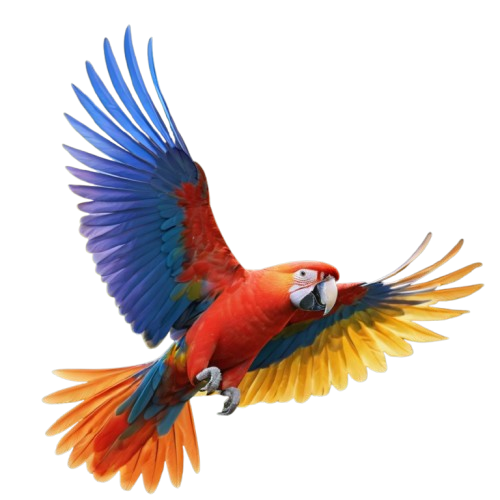
What causes macaws to become aggressive
What causes macaws to become aggressive? In most cases, biting, lunging, or sudden defensive behaviour has a reason behind it. Fear, hormonal changes, territorial instincts, pain, frustration, and a lack of mental stimulation can all contribute. Macaws are intelligent, powerful parrots, and their behaviour can change as they mature or adjust to a new home. Understanding what triggers aggression is the first step toward building trust, preventing injuries, and helping your bird feel secure.
What Causes Macaws to Become Aggressive? The Main Reasons
Aggression in macaws is rarely something to dismiss as bad behaviour. A bird may be communicating discomfort, protecting something important, or responding to a situation it does not understand. Before trying to correct the behaviour, look at what happened immediately before the bite or lunge. That small detail can tell you quite a lot.
1. Fear and Lack of Trust
A macaw that is unfamiliar with its surroundings may bite when someone approaches too quickly, reaches into its cage, or tries to handle it without warning. This is especially common during the adjustment period after moving to a new home.
Give the bird time to observe you. Speak calmly, move predictably, and let it choose whether to approach. Trust develops through repeated, positive interactions rather than forced contact.
2. Territorial Behaviour
Some macaws become defensive around their cages, food bowls, favourite toys, or preferred people. A bird that accepts you outside its enclosure might still lunge when you reach inside to change the water.
Try offering a familiar perch or training a simple step-up cue away from the cage entrance. Avoid cornering the bird or reaching directly toward its face.
3. Hormonal Changes
Sexually mature macaws may become more protective of a mate or nesting area during periods of reproductive activity. You might notice increased screaming, territorial displays, regurgitation, or attempts to hide in dark spaces.
Avoid encouraging nesting behaviour by providing boxes, cupboards, or enclosed spaces that the bird begins treating as a nest. Petting should generally be limited to the head and neck rather than the back or underside of the body.
4. Pain, Illness, or Physical Discomfort
A normally gentle macaw that suddenly starts biting deserves particular attention. Injury, illness, or discomfort can make handling unpleasant, even when the owner is doing nothing differently.
If aggression begins abruptly or accompanies changes in appetite, droppings, movement, or energy, arrange an examination with an avian veterinarian.
5. Boredom and Frustration
Macaws need room to move, safe objects to chew, foraging activities, and meaningful social interaction. A bird that spends most of the day in an unstimulating enclosure may become frustrated or develop unwanted habits.
Rotate appropriate toys, hide portions of its food in safe foraging materials, and provide supervised exercise. These changes will not resolve every behaviour problem, but they can make a meaningful difference.
How to Recognise the Warning Signs Before a Macaw Bites
Macaws often show signs of discomfort before making contact. The challenge is learning what your particular bird looks like when it has had enough. Watch for rapid pupil changes, a stiff posture, an open beak, lunging, tail fanning, or feathers held in an unusually tense position. No single signal tells the whole story, so consider the bird’s overall body language and the situation.
If your macaw leans away when you offer your hand, stop and give it space. If it lunges when you touch a particular toy, avoid reaching for that toy until you can manage the situation safely. In many cases, respecting an early warning prevents a more serious bite.
Do not punish the bird, shout at it, or force it to remain on your hand. Those reactions can increase fear and undermine trust. Instead, keep interactions short, reward calm behaviour, and gradually introduce handling at a pace the bird can tolerate.
How to Manage an Aggressive Macaw Safely
When a macaw starts biting regularly, the first goal is to prevent another incident while identifying the trigger. Do not assume that more handling will solve the problem. Sometimes, giving the bird a little space is the most productive thing you can do.
Start by keeping a simple behaviour diary. Record the time of each incident, who was nearby, where the bird was sitting, what happened just before the behaviour, and how people responded. After several days, patterns may become easier to recognise. Perhaps the bird only lunges when someone changes its food bowl, or maybe it becomes agitated whenever a particular person enters the room.
Use positive reinforcement to teach useful behaviours such as stepping onto a handheld perch, moving to a designated stand, or returning to the enclosure voluntarily. Reward small steps rather than expecting immediate cooperation. If the bird is highly distressed, stop the session and try again later.
Keep children and inexperienced visitors away from a bird that has a history of biting. Macaw bites can cause serious injuries, and supervision alone does not make every interaction safe. If the behaviour is severe, persistent, or difficult to predict, ask an avian veterinarian or a qualified parrot behaviour professional for individual guidance.
Macaw Species and Behaviour: What Prospective Owners Should Know
Different macaw species share many behavioural traits, but individual temperament varies considerably. Socialisation, previous experiences, health, and the home environment can matter as much as species.

Blue-and-Gold Macaw
An energetic, intelligent parrot that needs regular interaction and plenty of enrichment. It may become defensive if handling is forced or its personal space is ignored.

Green-Winged Macaw
A very large parrot with a powerful beak. Its size makes careful handling, consistent training, and secure housing especially important.

Scarlet Macaw
An active, social species that benefits from predictable routines and regular mental stimulation. Fear and territorial behaviour can occur in individuals of any age.

Military Macaw
A mostly green macaw with a red forehead patch and blue flight feathers. It needs generous space, enrichment, and an owner prepared for its long-term care.
Finding a Responsible Macaw Breeder in Cameroon
If you are considering purchasing a macaw in Cameroon, take time to assess the seller before paying a deposit. A responsible breeder should be willing to discuss the bird’s background, diet, health history, temperament, and whether it is fully weaned and eating independently.
Rather than relying on an unverified ranking of breeders, use these checks to assess potential sellers:
- Captive-breeding records: Ask for credible documentation showing the bird’s origin and captive-bred status.
- Health information: Request available veterinary records and ask which avian veterinarian the seller consults.
- Behaviour and handling: Ask how the bird responds to routine care, unfamiliar people, and being moved between perches.
- Housing conditions: Look for clean enclosures, fresh water, appropriate food, and opportunities for activity.
- Legal documentation: Confirm applicable wildlife permits, identification requirements, and transport rules with the relevant authorities.
- Ongoing support: Prefer sellers who explain the species’ long-term needs and are willing to answer care questions after purchase.
Military Macaws are listed in CITES Appendix I, so international commercial trade is subject to particularly strict controls. Do not assume that a bird can be imported, exported, or sold internationally simply because a seller offers it.
A bird’s low price or attractive appearance should never outweigh its welfare and legal status.
Military Macaw Parrots For Sale: What Should Buyers Consider?
If you are researching Military Macaw Parrots For Sale, understanding the species’ temperament is just as important as finding a suitable bird. Military Macaws are intelligent, active parrots that need a secure enclosure, a varied diet, regular enrichment, and daily opportunities for appropriate social interaction. They can be rewarding companions, but they are not low-maintenance pets.
Before choosing a bird, ask about its age, health history, previous handling, diet, and response to everyday activities. A well-socialised macaw can still become defensive in unfamiliar surroundings, so no seller should promise that a bird will never bite. Arrange a safe opportunity to observe the bird’s behaviour without forcing contact.
Check the seller’s documentation carefully. Military Macaws are classified as Vulnerable by the IUCN and listed in CITES Appendix I, making conservation and legal trade requirements especially important. Confirm the applicable rules with wildlife authorities before purchasing or arranging transport.
Most importantly, consider whether you can provide decades of suitable care. A macaw’s needs continue long after the excitement of bringing it home has passed.
Conclusion
Understanding what causes macaws to become aggressive helps owners respond with patience instead of punishment. Fear, territorial instincts, hormonal changes, pain, and frustration can all influence behaviour. The most useful approach is to identify the trigger, respect warning signals, provide appropriate enrichment, and build trust through positive interactions.
If aggression appears suddenly or becomes difficult to manage, consult an avian veterinarian. With the right support and a better understanding of the bird’s needs, many behaviour problems can be managed more safely.
Frequently Asked Question
Can a macaw that bites become friendly again?

Yes, many macaws can learn to feel more comfortable around people, although progress depends on the reason for the biting, the bird’s history, and the consistency of its care. Start with calm interactions, respect its boundaries, and reward voluntary approaches. Never force handling or punish biting. If the behaviour is sudden, severe, or persistent, seek advice from an avian veterinarian or a qualified parrot behaviour professional.