Description
Congo African Grey Parrots for Sale Near Me
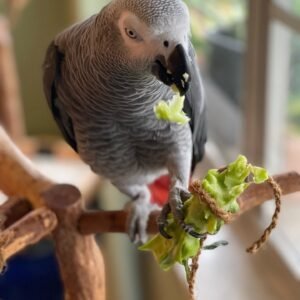
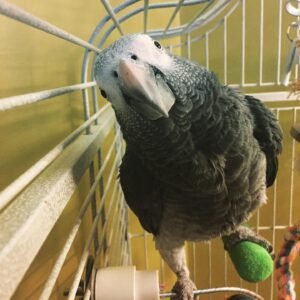
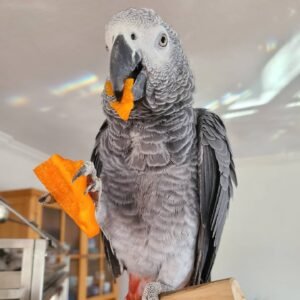
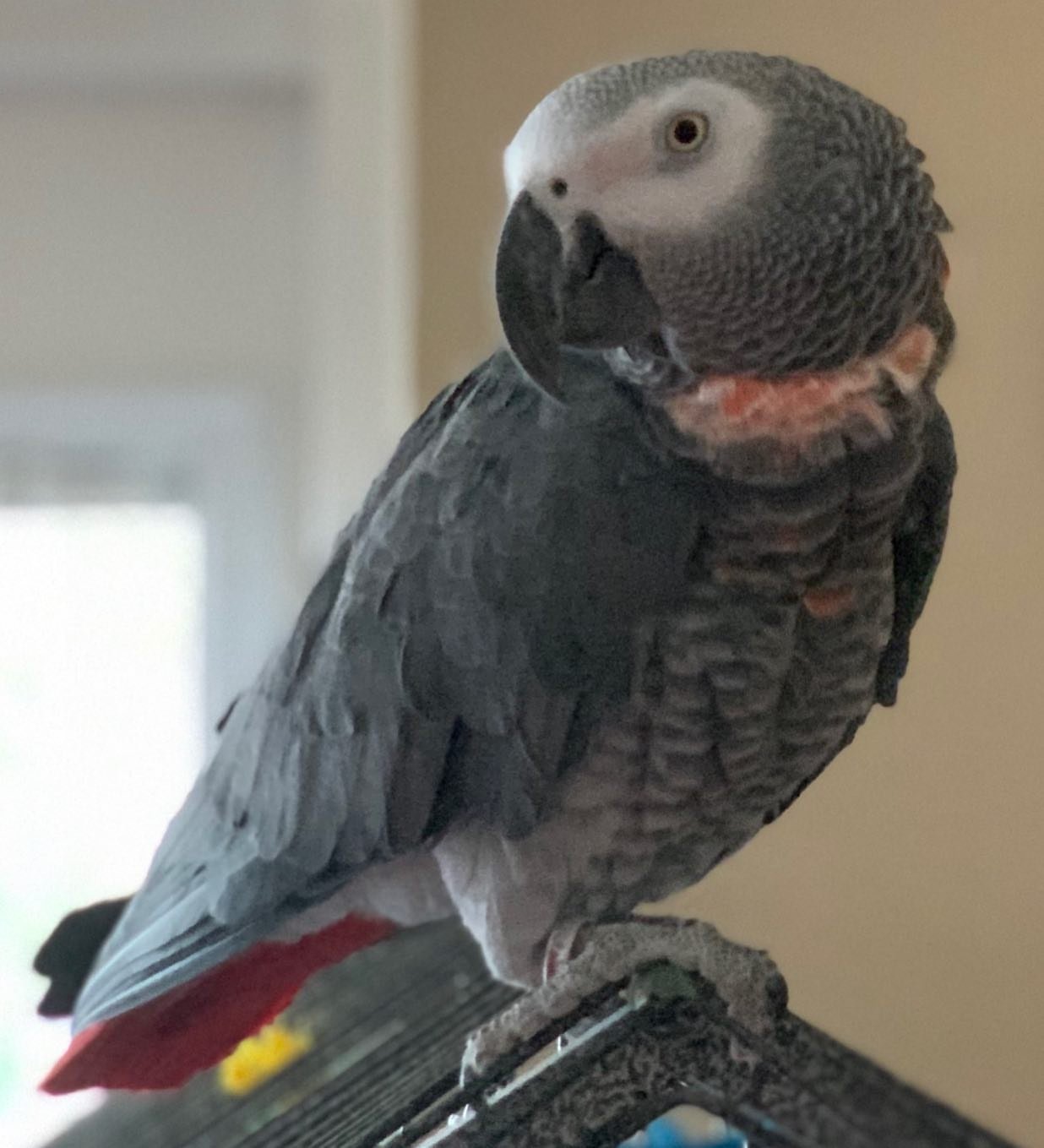
Finding the right African grey means choosing a bird whose needs, temperament, and background suit your home. When considering a Congo African grey, look beyond talking ability and attractive grey feathers with a bright red tail. Ask about the bird’s age, diet, socialisation, health history, and experience with people. A responsible seller should explain what the parrot currently eats, how it responds to everyday handling, and whether veterinary records are available.
Before purchasing, confirm the bird’s legal origin and any applicable wildlife-trade documentation, as African grey parrots are protected under international trade regulations. These intelligent, social birds need daily interaction, enrichment, a spacious enclosure, and a long-term commitment. Choose a seller who welcomes questions and gives you time to understand the responsibility involved. The goal is not simply to bring home a talking bird, but to provide a safe, stable environment where a parrot can thrive for many years.
A suitable home should also have an established routine for feeding, cleaning, supervised out-of-cage time, and mental enrichment. African greys can live for decades, so consider the ongoing cost of quality food, toys, a secure cage, and specialist veterinary care before making a purchase.
Helping an African Grey Feel Comfortable Around New People
A grey parrot may need time to accept unfamiliar faces, and forcing interaction can make fear worse. Speak gently, keep a comfortable distance, and allow the bird to approach voluntarily. Offer a favourite treat when the bird remains calm, and keep early visits short. Avoid sudden movements, reaching into its cage, or insisting on handling. For more practical guidance, read How can I help an African Grey parrot overcome fear of new people and learn how patience, positive reinforcement, and predictable routines can build confidence.
Why Choose an African Grey as a Companion?
African greys suit owners who enjoy interacting with an intelligent bird rather than simply watching one in a cage. They benefit from regular conversation, foraging activities, training, and safe opportunities to explore outside their enclosure. Their personalities vary, and even a bird that talks well may need time to bond with a new family. Before committing, arrange an appropriate avian veterinary check and confirm the bird’s legal documentation, particularly if transport across borders is involved.