How often should a cockatoo parrot visit an avian veterinarian
How often should a cockatoo parrot visit an avian veterinarian? Most healthy cockatoos should have a wellness examination at least once a year, although older birds, young chicks, and those with existing health problems may need more frequent visits. Cockatoos are skilled at hiding signs of illness, so regular checkups can help identify problems before they become serious. If you are preparing to bring a cockatoo home, understanding its veterinary needs is just as important as choosing the right cage, diet, and daily routine.
How Often Should a Cockatoo Parrot Visit an Avian Veterinarian?
For most healthy adult cockatoos, an annual health check is a sensible starting point. However, there is no single schedule that suits every bird. Age, medical history, diet, living conditions, and previous health problems all influence how often a cockatoo should see an avian veterinarian.
A cockatoo may look bright, vocal, and active while developing a health problem that is not immediately obvious. This is one reason I would never rely entirely on appearance when deciding whether a bird needs a checkup. Birds often conceal weakness, and waiting for obvious symptoms can mean missing an opportunity for earlier treatment.
During a routine examination, an avian veterinarian may assess your cockatoo’s weight, body condition, feathers, skin, eyes, nostrils, beak, feet, breathing, and general behavior. The veterinarian may also discuss nutrition, exercise, enrichment, and potential household hazards.
Additional tests, including blood work or parasite testing, may be recommended according to the bird’s history and clinical findings. Not every cockatoo needs every test at every visit.
Recommended Veterinary Schedule for Cockatoos
| Cockatoo’s life stage or condition | Suggested veterinary schedule |
|---|---|
| Newly acquired cockatoo | Initial examination promptly after acquisition |
| Healthy adult cockatoo | At least once a year |
| Young, growing cockatoo | As advised by the avian veterinarian, particularly during weaning or if health concerns arise |
| Senior cockatoo | Often every six to twelve months, depending on health |
| Cockatoo with a chronic condition | Individual schedule, potentially every few months |
| Bird showing signs of illness | Prompt assessment rather than waiting for the next routine appointment |
These intervals are general guidance, not a substitute for an individualized care plan. A bird recovering from illness may need more frequent monitoring, while a healthy older cockatoo may have a different schedule depending on examination results.
What Happens During a Cockatoo’s Veterinary Checkup?
A good wellness appointment involves more than checking whether your cockatoo looks healthy. The veterinarian will usually ask about its feeding routine, activity, sleep, droppings, behavior, and any changes noticed since the previous visit.
Here are some areas that may be assessed:
- Weight and body condition: Regular measurements help establish a baseline and reveal concerning changes over time.
- Feathers, skin, and beak: The veterinarian checks for abnormalities, damage, irritation, or unusual feather loss.
- Eyes, nostrils, and mouth: These areas can provide clues about infection, injury, or other health concerns.
- Breathing and heart function: The veterinarian observes respiratory effort and listens to the heart and lungs when appropriate.
- Feet and nails: Foot health, grip, pressure sores, and nail condition may be evaluated.
- Diet and behavior: Your veterinarian can discuss nutritional balance, chewing, screaming, feather plucking, and other behavioral concerns.
Depending on the examination, your cockatoo may also need blood tests, a fecal examination, or screening for particular infectious diseases. Ask why each test is recommended and how the result would affect your bird’s care.
For additional guidance, the Association of Avian Veterinarians provides resources on finding qualified bird veterinarians and understanding preventive care.
Signs Your Cockatoo Needs a Vet Before Its Next Appointment
Annual examinations are important, but they should never become a reason to delay treatment. If your cockatoo suddenly becomes quiet, refuses food, or spends more time sitting with fluffed feathers, pay attention. Sometimes a small change in routine is the first clue that something is wrong.
Contact an avian veterinarian promptly if you notice:
- A sudden or unexplained loss of weight.
- Reduced appetite or refusal to eat.
- Persistent changes in droppings.
- Unusual sleepiness or reduced activity.
- New feather plucking or excessive scratching.
- Discharge from the eyes or nostrils.
- Repeated vomiting or regurgitation that is not normal courtship behavior.
Difficulty breathing, collapse, seizures, significant bleeding, or severe weakness should be treated as emergencies. Call an appropriate veterinary service immediately rather than waiting to see whether the symptoms disappear.
Cockatoos can deteriorate quickly when seriously ill. The safest approach is to describe the symptoms to a veterinarian and follow their advice on how urgently your bird needs to be seen.
How to Prepare Your Cockatoo for a Vet Visit
Some cockatoos travel calmly, while others become anxious as soon as they see a carrier. A little preparation can make the appointment less stressful.
- Choose a suitable carrier. Use a secure, well-ventilated carrier that prevents escape and provides a stable surface.
- Make travel familiar. Introduce the carrier gradually at home, rewarding calm behavior rather than forcing the bird inside at the last minute.
- Record recent changes. Write down changes in appetite, weight, droppings, sleep, or vocalization.
- Bring relevant records. Include previous examination results, medication details, vaccination information if applicable, and any records supplied by the breeder.
- Ask about testing beforehand. The clinic can tell you whether a fresh dropping sample or other preparation would be useful.
- Plan the journey. Keep the carrier secure, avoid excessive heat or cold, and minimize unnecessary stops.
If your cockatoo is already showing signs of illness, contact the clinic before traveling. Do not delay an urgent visit simply to complete training or collect paperwork.
Finding a Qualified Avian Veterinarian for Your Cockatoo
Not every veterinary practice regularly treats parrots. When choosing a clinic, ask whether the veterinarian has specific experience with cockatoos and other companion birds, what diagnostic facilities are available, and how emergencies are handled outside normal office hours.
If you live in Cameroon or another area where avian specialists are difficult to find, contact established veterinary clinics and ask whether they routinely examine parrots or can refer you to an experienced bird veterinarian. Confirm services directly before traveling, especially if your cockatoo needs urgent attention.
A responsible cockatoo breeder should be willing to discuss the bird’s veterinary history and provide any available health records. However, a breeder’s reassurance is not a replacement for an independent examination by a qualified veterinarian.
Cockatoo Species and Their Veterinary Needs
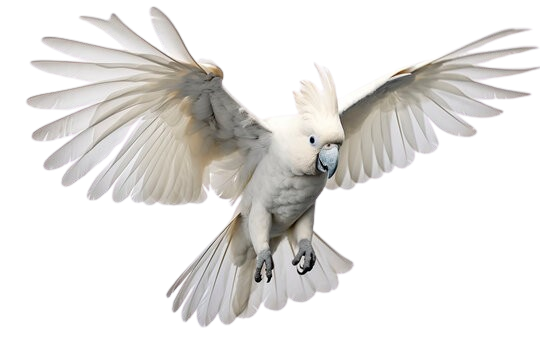
Cockatoos belong to several species, and their size, diet, temperament, and individual medical history can influence their care. Whether you keep a small cockatiel-like relative or a large white cockatoo, choose a veterinarian who understands the specific species rather than assuming all parrots have identical needs.

Umbrella cockatoo
These large, affectionate parrots benefit from routine weight monitoring, balanced nutrition, and regular checks of their feet, beak, and feathers. Their social needs and tendency toward destructive chewing also deserve discussion during wellness visits.

Moluccan cockatoo
This species needs careful attention to diet, body condition, and emotional well-being. Ask your veterinarian how to monitor weight and provide sufficient enrichment without encouraging an unhealthy, seed-heavy diet.

Goffin’s cockatoo
These active, intelligent birds need opportunities to forage and explore safely. A veterinary appointment is a useful time to discuss chewing behavior, feather condition, and ways to maintain healthy activity.

Sulphur-crested cockatoo
Because these birds are relatively large and active, the veterinarian may discuss weight, diet, exercise, foot health, and the practical challenges of providing a safe home environment.
Regardless of species, individual health matters more than appearance. Your veterinarian can tailor the examination and testing schedule to your cockatoo’s age, lifestyle, and medical history.
A Practical Guide to Choosing a Responsible Cockatoo Breeder
If you are considering buying a cockatoo, veterinary care should be part of your decision from the beginning. Rather than relying on an online seller’s claims, ask for documentation and verify the bird’s health independently.
Use this checklist when evaluating breeders:
- Veterinary records: Ask for available examination reports, treatment history, and relevant test results.
- Weaning and feeding: Confirm that the bird is fully weaned and eating independently before taking it home.
- Living conditions: Look for clean enclosures, suitable perches, fresh water, and opportunities for enrichment.
- Bird identification: Ask about the bird’s age, species, identification records, and legal paperwork.
- Health transparency: Be cautious of sellers who refuse reasonable questions or promise that a bird can never become ill.
- After-sale support: Prefer breeders who explain nutrition, handling, veterinary care, and adjustment to a new home.
I would also arrange an independent avian veterinary examination shortly after acquiring the bird, even when the seller provides reassuring paperwork. An initial examination establishes a health baseline and helps identify concerns that might not be visible at first glance.
Cheap Cockatoo Parrots for Sale Near Me: What Buyers Should Know
Searching for Cheap Cockatoo Parrots for Sale Near Me can bring up sellers offering birds at very different prices. Before choosing the cheapest option, consider the bird’s age, species, health history, weaning status, and the support available after purchase. A low purchase price does not necessarily mean lower overall costs, particularly when veterinary examinations, a suitable cage, nutritious food, and enrichment supplies are included.
Ask the seller for the bird’s background, available health records, and details of any veterinary examinations already completed. Arrange an independent examination with an avian veterinarian as soon as possible after bringing your cockatoo home. You should also confirm that the bird has been legally obtained and that any applicable wildlife trade or transport requirements have been met.
If you are comparing cockatoo breeders, prioritize transparent records, responsible rearing, and the bird’s welfare over a bargain alone. A healthy, properly weaned cockatoo from a responsible source is a much better starting point than a cheap bird whose history cannot be verified.
Conclusion
Knowing how often a cockatoo parrot should visit an avian veterinarian helps you plan for its long-term health. For most healthy adults, an annual examination is the minimum recommended starting point, while newly acquired birds need an initial assessment and birds with medical concerns may require more frequent care. Keep track of your cockatoo’s normal behavior, arrange routine appointments, and never ignore sudden changes in appetite, breathing, weight, or activity. Good preventive care, combined with a knowledgeable avian veterinarian, gives your cockatoo a better chance of enjoying a healthy and comfortable life.
Frequently Asked Question
How often should a cockatoo parrot visit an avian veterinarian?

A healthy adult cockatoo should generally visit an avian veterinarian at least once a year. Newly acquired birds should receive an initial examination promptly, ideally within the first few days when possible. Older birds and those with ongoing medical conditions may need checkups every six months or according to an individualized veterinary plan. If your cockatoo shows signs of illness, seek veterinary advice immediately rather than waiting for its next scheduled examination.