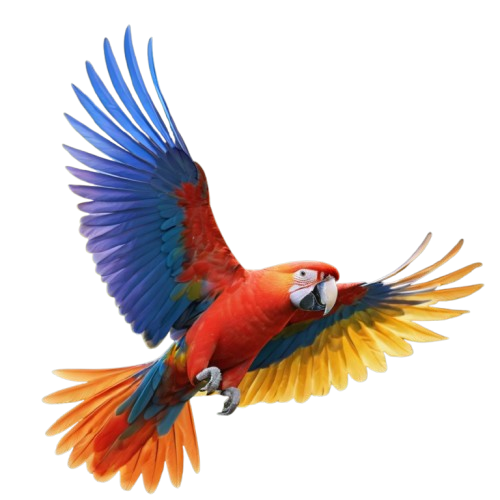
How long do cockatoo parrots typically live in captivity
How long do cockatoo parrots typically live in captivity depends on their species, diet, living conditions, veterinary care, and daily interaction with their owners. Many cockatoos can live for 40 to 70 years, while some larger species may reach 80 years or more under favorable conditions. These intelligent, affectionate birds need more than food and a spacious cage; they require mental stimulation, consistent companionship, and long-term commitment. Understanding their lifespan before bringing one home helps you choose the right species and prepare for the years of care ahead.
How long do cockatoo parrots typically live in captivity by species?
Not every cockatoo has the same life expectancy. A smaller species may have a different lifespan from a large umbrella or Moluccan cockatoo, and published figures often mix average lifespans with exceptional longevity records. Those numbers are not interchangeable. Veterinary guidance commonly places cockatoo lifespans within a broad range of 25–45 years, with some larger individuals living much longer.
Here is a practical overview of several popular species.

1. Umbrella cockatoo
Often 30–50 years or longer
Known for its white feathers and impressive crest, this species needs extensive daily interaction, space, and enrichment. A long lifespan is possible, but it should never be treated as guaranteed.

2. Moluccan cockatoo
Often several decades
This large, salmon-crested bird can live for many decades. Exceptional records are much higher than a typical lifespan, so plan for a long commitment rather than relying on a record age.

3. Sulphur-crested cockatoo
Often 40 years or more
Recognizable by its yellow crest, this active bird needs opportunities to climb, forage, chew, and interact. Long-lived individuals are documented, although not every bird reaches the maximum recorded age.

4. Goffin’s cockatoo
Often around 25–40 years, with variation
Smaller than the large white cockatoos, Goffin’s cockatoos are clever problem-solvers. They still need substantial enrichment, a suitable enclosure, and regular veterinary care.

5. Galah cockatoo
Often several decades
The pink-and-grey galah is energetic and social. Its diet and exercise routine need attention because an inactive bird fed too many high-fat foods can develop health problems.
These are broad planning estimates, not promises or precise predictions. Age, genetics, early-life care, and the quality of the bird’s environment all influence longevity. Research using captive parrot records also shows that maximum lifespan figures can be considerably higher than typical survival.
What affects how long cockatoo parrots live in captivity?
In my view, the most useful question is not simply how old a cockatoo might become, but what daily conditions help it remain healthy throughout its life.
1. A balanced and varied diet
A cockatoo should not live on sunflower seeds, peanuts, or a seed-only mixture. A nutritionally balanced formulated pellet diet, suitable fresh vegetables, clean drinking water, and carefully portioned extras are a more appropriate starting point. Fruit and nuts can have a place, but portions matter.
Ask an avian veterinarian to recommend a diet for the particular species, age, body condition, and activity level. Abrupt dietary changes can be stressful, so make adjustments gradually with professional guidance.
2. Space, exercise, and mental stimulation
Cockatoos are strong, curious birds. They need an appropriately sized enclosure, safe opportunities to move and climb, chewable toys, foraging activities, and supervised time outside the cage. Rotate toys when interest fades; a bird does not need an expensive new toy every week, but it does need something meaningful to do.
Boredom can contribute to screaming, destructive chewing, and feather-damaging behavior. These problems are not merely inconvenient. They may indicate that the bird’s environment or routine needs closer attention.
3. Social interaction and emotional well-being
Cockatoos are highly social. They often form close attachments to their caregivers and can become distressed when left alone for long periods without suitable enrichment. A consistent routine helps, but it is equally important to teach a bird to entertain itself safely rather than expecting constant physical contact.
Avoid rewarding every scream with immediate attention. Instead, encourage calm behavior, provide regular interaction, and investigate sudden changes in vocalization or temperament.
4. Regular veterinary examinations
Birds can conceal signs of illness, so waiting until a cockatoo appears seriously unwell is risky. Establish a relationship with an avian veterinarian, arrange routine health checks, and seek prompt advice if you notice changes in appetite, droppings, breathing, balance, weight, or feather condition.
Good care cannot prevent every disease. It can, however, improve the chance of identifying a problem early.
5. Safe housing and adequate sleep
Keep the bird away from kitchen fumes, overheated nonstick cookware, toxic plants, accessible electrical cables, and other household hazards. Provide a quiet, dark sleeping area and a regular period of uninterrupted rest appropriate to the bird’s needs.
A clean enclosure, safe perches, suitable humidity and temperature, and careful supervision also matter. Small daily habits add up over many years.
A buyer’s guide to choosing a healthy cockatoo
If you are considering buying a cockatoo, look beyond its age and appearance. The bird’s background, health records, behavior, and source are just as important.
Here are five practical steps to follow before choosing a bird.
- Find a responsible breeder or rescue. Look for a source that can explain the bird’s history, diet, socialization, and veterinary care. Adoption is also worth considering, particularly because cockatoos are sometimes rehomed when their owners can no longer meet their needs.
- Ask about the species and age. Confirm the bird’s identity and ask for reliable hatch-date records when available. Species identification matters because care requirements and expected longevity vary.
- Request health documentation. Ask about previous veterinary examinations, test results where appropriate, and any ongoing health concerns. Arrange an independent examination with an avian veterinarian.
- Observe the bird carefully. Look for alertness, comfortable movement, clean feathers, and normal breathing. A healthy appearance alone does not rule out disease.
- Check legal requirements. Confirm applicable ownership, import, export, and wildlife-trade rules before paying or arranging transport. Some cockatoo species have additional legal protections.
Where to look for white cockatoos
People searching online for a white cockatoo for sale near me should compare reputable breeders, established bird rescues, and specialist avian facilities in their area. Availability alone is not a reliable measure of a seller’s quality.
Ask whether the bird is captive-bred, whether its age and origin can be documented, and whether the seller provides written care information. A responsible seller should welcome reasonable questions rather than rush you into a deposit.
If you are buying internationally, investigate the permits and transport arrangements before committing. A bird that arrives without appropriate documentation can create serious legal and welfare problems.
Most importantly, meet the bird in person when possible, or request a live video assessment if distance makes that impractical. Verify the seller’s identity independently and avoid sending money based solely on attractive photographs.
How to prepare for a cockatoo that may live for decades
Long-term planning is part of responsible ownership. A cockatoo purchased today may still need care when your household, job, finances, or living arrangements have changed considerably.
Before bringing one home, budget for an appropriate enclosure, a nutritious diet, enrichment, routine veterinary examinations, and unexpected medical expenses. Also consider noise levels, neighbors, travel arrangements, and who could care for the bird if you became unable to do so.
If you are choosing between species, do not select a larger cockatoo simply because it may live longer. Match the bird to your available space, experience, time, and ability to meet its social needs.
Conclusion
How long do cockatoo parrots typically live in captivity? Many live for several decades, and some larger species can reach 50 years or beyond. However, exceptional longevity should not be confused with the average experience of pet owners. Species, genetics, nutrition, veterinary care, exercise, and emotional well-being all influence a bird’s life.
The best preparation is to choose a suitable species, obtain your bird from a responsible source, and establish good care routines from the beginning. A cockatoo is not a short-term pet. It is a commitment that deserves careful thought and planning.
Frequently Asked Questions
Can a cockatoo parrot live for 70 years in captivity?

Yes, some cockatoos can live to around 70 years or longer, particularly among the larger species, but this is not a guaranteed or typical outcome for every bird. Longevity records vary by species and source, and many pet parrots do not reach the most widely quoted maximum ages. Provide a balanced diet, suitable housing, daily enrichment, and regular examinations by an avian veterinarian to support your cockatoo’s health throughout its life.