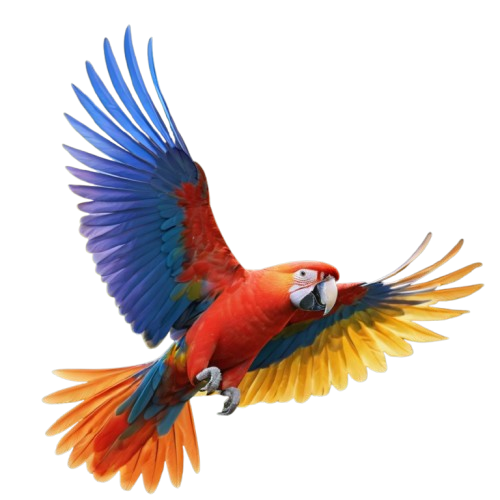
How can I prevent my cockatoo parrot from developing destructive chewing habits
How can I prevent my cockatoo parrot from developing destructive chewing habits? Start by giving your bird safe things to chew, enough daily activity, and a routine that satisfies its natural instincts. Cockatoos use their powerful beaks to explore, shred, climb, and investigate their surroundings. Chewing furniture or wooden doorframes does not necessarily mean a bird is badly behaved; often, it means the bird needs better outlets for that energy. The key is to redirect chewing rather than trying to stop it completely.
Why cockatoos develop destructive chewing habits
Cockatoos are natural chewers. In the wild, they manipulate branches, strip bark, investigate plants, and work with their beaks while searching for food. In a home, those same instincts can be directed toward chair legs, skirting boards, books, window frames, and anything else within reach.
The important question is not simply how to stop the chewing, but what your bird gets from doing it.
Boredom and lack of enrichment are common concerns. A cockatoo that has spent hours with the same toys may discover that a wooden cupboard is far more interesting. The cupboard does not need to be encouraged to become a habit; a few satisfying sessions can make it an appealing target.
Stress and frustration can also contribute. Changes in the household, inconsistent routines, too little social contact, and an environment that offers limited opportunities to explore may affect behavior. Some birds chew to gain attention, too. If every bite at the furniture makes someone rush over and react, the bird may learn that this is a reliable way to start an interaction.
That said, don’t assume every behavior problem is psychological. Sudden or unusual chewing, especially alongside feather damage, appetite changes, or signs of discomfort, deserves an avian veterinary assessment. Medical problems can contribute to changes in behavior, and guessing at the cause can delay appropriate care.
7 practical ways to prevent destructive chewing in cockatoos
1. Offer safe chewing materials every day
Keep a selection of bird-safe wooden blocks, untreated cardboard, shreddable paper, and appropriately designed parrot toys available. Different cockatoos have different preferences. One may enjoy breaking soft wood into small pieces, while another spends ages pulling apart paper.
Use only materials known to be safe for birds, without toxic coatings, adhesives, or small parts that could be swallowed. Inspect toys frequently and remove damaged items that create sharp edges or entanglement hazards.
2. Redirect your cockatoo before damage starts
Watch for the moments when your bird begins inspecting a table leg or doorframe. Calmly offer a suitable chew toy or move the bird to an approved play stand. When it starts chewing the correct item, reinforce that choice with praise, attention, or a small appropriate treat.
Timing matters. It is easier to teach an alternative behavior before chewing becomes a regular routine than to interrupt the same unwanted action repeatedly.
3. Make foraging part of the daily routine
Food puzzles give a cockatoo something useful to work on. Try placing part of its normal food ration in a bird-safe foraging toy or loosely wrapping suitable food in clean paper so the bird must investigate it.
Start with easy activities. If the puzzle is too difficult, the bird may simply abandon it and return to the furniture. Increase the challenge gradually as your cockatoo learns how to use each toy. The Association of Avian Veterinarians recommends enrichment that encourages birds to search for and manipulate food.
4. Protect furniture and other household items
Training works better when the bird cannot repeatedly practice the behavior you are trying to change. Keep valuable wooden furniture out of reach, block access to vulnerable corners, and use a safe play area when you cannot supervise closely.
Electrical wires are particularly important. Keep them inaccessible rather than relying on a bird to learn not to chew them. Never apply household chemical deterrents or bitter products unless an avian veterinarian confirms that the specific product is safe for your bird.
5. Provide exercise and social contact
Cockatoos are intelligent, active parrots, and a few toys cannot compensate for an otherwise empty day. Give your bird supervised opportunities to climb, explore, interact, and exercise outside its enclosure.
Build independent play into the routine as well. A cockatoo should learn that it can spend time with toys without needing a person beside it every minute. Consistent attention, followed by short periods of independent activity, can help establish a more manageable daily rhythm.
6. Avoid shouting or punishment
It can be frustrating to find another damaged chair, particularly after you have bought new toys. Still, shouting, chasing, or frightening a cockatoo can increase stress and may accidentally reward the behavior with attention.
Instead, calmly interrupt access to the target, offer an acceptable alternative, and reward the behavior you want to see. Progress may be gradual. Some chewing is completely normal, so the goal is to prevent dangerous or unwanted damage rather than eliminate the bird’s natural need to chew.
7. Keep a simple behavior diary
For a week or two, record when destructive chewing happens, what the bird was doing beforehand, how long it had been alone, and which toys it used that day. Patterns may become clearer than you expect.
For example, if the bird repeatedly chews furniture late in the afternoon, it might need a more engaging activity at that time. If the behavior appears after a change in routine, look at that change rather than simply adding more toys. A diary can also help an avian veterinarian or qualified bird behavior professional assess the problem.
How to choose toys that discourage destructive chewing
Not every toy sold for parrots is suitable for a cockatoo. These birds can dismantle objects quickly, and a toy that is safe for a small budgie may not withstand a cockatoo’s powerful beak.

Wooden chewing toys
Choose sturdy, bird-safe wooden blocks designed for the size and strength of your cockatoo. These provide an appropriate outlet for shredding and breaking material apart.

Paper and cardboard enrichment
Clean, plain paper and suitable cardboard can offer inexpensive shredding activities. Avoid glossy materials, staples, tape, and packaging with unknown chemical treatments.

Foraging toys
These encourage your cockatoo to investigate, pull, and manipulate objects to reach food. Check all moving parts and remove any that become unsafe as the toy wears down.
Rotate toys when your bird loses interest, but introduce unfamiliar items gradually. Some cockatoos are cautious around new objects and may need time to approach them. Observe how your bird uses each toy instead of assuming it will enjoy everything you buy.
Cockatoo birds for sale: what to know before bringing one home
If you are researching cockatoo birds for sale, consider the bird’s daily needs and temperament before comparing prices or feather colors. Cockatoos are intelligent, powerful chewers, and their natural behavior can be demanding for an inexperienced owner. The right preparation can prevent many avoidable problems later.
Before choosing a breeder, specialist aviary, or rescue, ask these questions:
- Is the bird fully weaned? Confirm that it eats independently and maintains a healthy weight. Do not purchase an unweaned cockatoo unless you are working under appropriate professional guidance.
- What is its current routine? Ask about its diet, sleep schedule, toys, handling, and experience with household activity.
- Has it received veterinary care? Request available health records and discuss appropriate testing with an avian veterinarian.
- What support does the seller provide? A responsible seller should answer questions about care and explain the bird’s background honestly.
- Are the documents in order? Verify any permits, ownership records, and applicable wildlife trade requirements before purchasing or transporting the bird.
The Avian Exchange is one place to compare listings, but availability and seller practices should be checked individually. You can also contact reputable bird rescues and avian veterinary clinics for guidance.
Most importantly, prepare a suitable cage, safe chew toys, and a daily enrichment routine before the bird arrives. Buying a cockatoo is a long-term commitment, not simply the purchase of a pet.
Conclusion
Preventing destructive chewing in a cockatoo starts with understanding why the bird chews in the first place. Provide safe materials to shred, make foraging enjoyable, protect vulnerable household items, and reward your bird for choosing appropriate toys. Consistent routines and meaningful interaction matter just as much as the equipment you buy. If chewing changes suddenly or is accompanied by feather damage or other signs of illness, consult an avian veterinarian. You may never have a cockatoo that leaves every wooden object untouched, and that is not the goal. The aim is a bird that can express its natural behavior safely without damaging your home or harming itself.
Frequently Asked Question
Can a cockatoo be trained to stop chewing furniture?

Yes, you can teach a cockatoo to choose appropriate chew toys more often, but you cannot realistically eliminate its natural need to chew. Prevent access to vulnerable furniture, offer safe alternatives, and reward the bird when it uses them. With patience and consistency, many owners can reduce unwanted damage. If the behavior is sudden, persistent, or associated with other concerning signs, seek advice from an avian veterinarian.