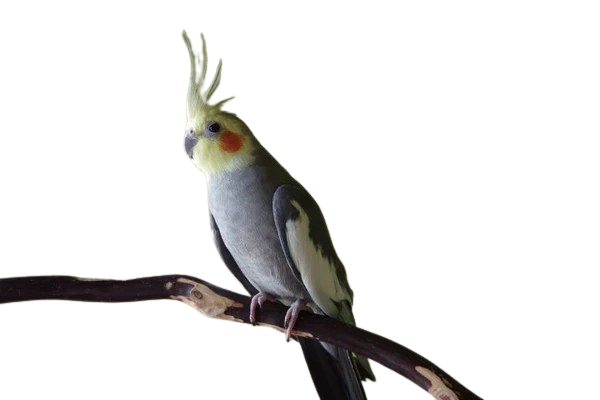
Do cockatiels need a large cage
Do cockatiels need a large cage? Yes, cockatiels need a spacious cage that allows them to stretch their wings, climb, move between perches, and play without constantly bumping into toys or cage bars. Although these parrots are relatively small, they are active birds, and a cramped enclosure can limit their movement and affect their well-being. When choosing a cage, consider the bird’s size, bar spacing, horizontal space, and the amount of time it spends outside the enclosure. A suitable cage is not simply a place to sleep; it should be a comfortable, secure home where your cockatiel can move naturally throughout the day.
Why Do Cockatiels Need a Large Cage?
Cockatiels are active, curious parrots. In their natural environment, they spend time flying between locations, searching for food, climbing, and interacting with other birds. A cage cannot fully recreate that lifestyle, but it should provide enough room for ordinary movement and enrichment.
A small cage may look convenient in a living room, especially when you are buying your first bird. The problem becomes clearer once you add food dishes, water containers, perches, and toys. Suddenly, much of the usable space disappears.
A spacious enclosure gives your cockatiel more freedom to move between perches, exercise its wings, and investigate its surroundings. It also makes it easier to arrange toys and feeding stations without blocking movement.
In my view, cage space is one of the things worth planning before bringing a bird home. It is easier to prepare a suitable environment in advance than to discover a few weeks later that the cage you bought is simply too restrictive.
What Is the Best Cage Size for a Cockatiel?
For one cockatiel, a practical starting point is a cage approximately 24 inches long, 18 inches deep, and 24 inches high (61 × 46 × 61 cm). This is a commonly used minimum guideline, not an ideal maximum. If you have enough room, a larger enclosure with plenty of horizontal space is preferable.
Two cockatiels generally require substantially more space, and their compatibility must also be considered. Do not assume that two birds can comfortably share a cage designed for one.
When comparing cage sizes, pay attention to the interior dimensions rather than relying only on the product description. Decorative roofs, large storage stands, and external features may make a cage look bigger without increasing the space your bird can actually use.
Look for the following features:
- Adequate width: Allows your cockatiel to move between perches and spread its wings without hitting the sides.
- Sufficient depth: Provides room for climbing, turning, and arranging essential accessories.
- Appropriate height: Creates useful vertical space for perches at different levels.
- Safe bar spacing: Around 1/2 to 5/8 inch (1.3–1.6 cm) is a common guideline for cockatiels, though the individual bird and cage design should be considered.
- A secure door: Prevents accidental escapes and allows safe access during cleaning.
- Easy-to-clean surfaces: Removable trays and accessible corners make routine maintenance less difficult.
If you are deciding between two otherwise suitable cages, I would generally favour the larger one, assuming the construction, bar spacing, and materials are safe.
Does a Cockatiel Need a Wide Cage or a Tall Cage?
Both width and height matter, but horizontal space deserves particular attention. Cockatiels need room to move between perches and stretch their wings without repeatedly contacting cage walls.
Very tall, narrow cages can appear impressive while offering relatively little usable floor area. A wider enclosure usually makes it easier to position perches, feeding stations, and toys without crowding the bird.
Height still has a purpose. Cockatiels often enjoy resting on higher perches, observing their surroundings, and climbing between levels. Ideally, choose a cage that offers both a generous footprint and enough height for comfortable movement.
Avoid placing every perch at the same level. A thoughtful arrangement creates variety, but there should still be an unobstructed area where your bird can stretch and move freely.
How to Set Up a Large Cockatiel Cage Properly
Buying a large cage is only the first step. Its layout matters too. An oversized enclosure filled with unnecessary accessories can be less useful than a well-arranged cage with clear movement paths.
Choose Suitable Perches
Provide several perches with different safe diameters and textures to encourage natural foot movement. Untreated, bird-safe natural branches can offer useful variety. Avoid sandpaper-covered perches and rough surfaces that may irritate the feet.
Place the perches so droppings do not fall into food or water containers. Keep enough open space between them for the bird to move comfortably.
Add Toys Without Overcrowding
Cockatiels benefit from safe chewable toys, shredding materials, and foraging activities. Rotate suitable toys periodically to maintain interest.
However, resist the temptation to fill every corner. Your bird should still have room to spread both wings fully and move without catching its feathers on accessories.
Position Food and Water Carefully
Food and water containers should be easy to reach and clean. Secure them properly so they cannot tip over, and replace contaminated water promptly.
Keep feeding areas away from heavily soiled sections of the cage. Check the arrangement regularly because toys and perches can shift over time.
Choose Safe Cage Materials
Look for a sturdy cage made from bird-safe materials with a durable finish. Avoid cages with peeling coatings, sharp edges, exposed hazardous metals, or damaged welds.
Never use a cage that has been treated with an unknown chemical coating. If you are uncertain about its materials, ask the manufacturer for clarification before placing your cockatiel inside.
Is a Large Cage Enough Exercise for a Cockatiel?
No. A large cage provides room for movement, but it does not replace opportunities for supervised exercise and exploration.
When your cockatiel is comfortable with its surroundings, arrange regular time outside the cage in a secure, bird-safe room. Close windows and exterior doors, switch off ceiling fans, cover or make windows visible to prevent collisions, and keep other pets safely separated.
Household fumes also deserve attention. Smoke, aerosols, strong cleaning products, and fumes from overheated non-stick cookware can be dangerous to birds. Keep your cockatiel away from these hazards.
If your bird is not yet comfortable leaving the cage, introduce outside time gradually and positively. Never force it to fly or grab it unnecessarily. Some cockatiels need more time than others to feel secure.
A good routine combines a roomy enclosure, opportunities to climb and forage, and safe exercise outside the cage. That combination is much more useful than relying on cage size alone.
Cockatiel Birds for Sale: Choosing a Bird and Cage Together
If you are preparing to bring home a cockatiel, choose the enclosure before you collect your bird. This gives you time to arrange the perches, test the doors, check bar spacing, and make sure the cage fits comfortably in a safe part of your home.
When exploring Cockatiel Birds for Sale, ask the breeder about the bird’s age, diet, weaning status, temperament, and current housing. A responsible seller should explain the care the bird needs rather than focusing only on its colour or appearance.
For a young cockatiel, confirm that it is fully weaned and eating independently before bringing it home. You should also ask what food it currently eats so you can make any dietary transition gradually.
Before choosing a bird, consider these practical points:
- Available space: Measure the intended cage location and leave room to open the doors and clean the enclosure.
- Daily routine: Make sure you can provide regular interaction, feeding, cleaning, and exercise.
- Cage quality: Check the bar spacing, finish, door locks, and ease of maintenance.
- Health information: Ask about the bird’s health history and arrange an avian veterinary examination when appropriate.
- Long-term expenses: Budget for a balanced diet, replacement toys, cleaning supplies, and veterinary care.
- Safe transport: Prepare a secure travel carrier before collecting your new cockatiel.
- Settling-in period: Give the bird time to become familiar with its new surroundings rather than immediately demanding handling.
A healthy bird and a suitable cage go together. Neither should be treated as an afterthought.
Listicle: What to Look for When Choosing a Cockatiel Breeder
When searching for a cockatiel breeder, prioritise bird welfare, clear communication, and responsible care practices. These categories can help guide your search, but they are not a verified ranking of individual sellers.
- Specialist cockatiel breeders: Look for people familiar with cockatiel nutrition, behaviour, housing, and common health concerns.
- Small-scale home breeders: Ask how the birds are raised and whether they receive appropriate handling and socialisation.
- Established aviary breeders: Check the cleanliness of the environment, the condition of the birds, and access to clean water.
- Breeders who explain cage requirements: A knowledgeable seller should be able to discuss appropriate dimensions, bar spacing, and enrichment.
- Breeders who provide health information: Ask for available veterinary records and details of any known medical concerns.
- Breeders with clear weaning practices: Confirm that young birds are eating independently and maintaining their weight.
- Breeders who discuss diet: Ask what the bird currently eats and how to transition it safely to a suitable long-term diet.
- Breeders who answer questions openly: Look for straightforward information about age, temperament, and background.
- Breeders who encourage veterinary care: Avoid sellers who discourage reasonable health checks.
- Breeders who prioritise welfare over quick sales: Be cautious if birds are kept in visibly poor conditions or important care questions go unanswered.
Use these checks to evaluate sellers in your area. The goal is to find a healthy bird and obtain accurate guidance for its long-term care.
Conclusion: Do Cockatiels Need a Large Cage?
Do cockatiels need a large cage? Yes. A spacious, well-designed enclosure gives your bird room to stretch, climb, explore, and use its toys comfortably. For one cockatiel, a cage around 24 × 18 × 24 inches is a practical starting point, but a larger safe cage is preferable whenever possible.
Remember that usable space matters more than impressive-looking dimensions. Choose suitable bar spacing, bird-safe materials, and an arrangement that leaves room for movement. Then add regular interaction, enrichment, and supervised exercise outside the cage.
If you are planning to buy a cockatiel, prepare its home first. A little extra thought at the beginning can make daily care easier and give your new companion a much better start.
Frequently Asked Question
Can a cockatiel live in a small cage if it comes out every day?

A small cage is not ideal, even if your cockatiel spends time outside it daily. The enclosure remains the bird’s home whenever it sleeps, eats, or rests, so it should provide enough space for comfortable movement, wing stretching, and access to essential resources. Choose the largest safe cage that fits your available space, and use supervised time outside the cage as an additional form of exercise rather than a substitute for suitable housing.