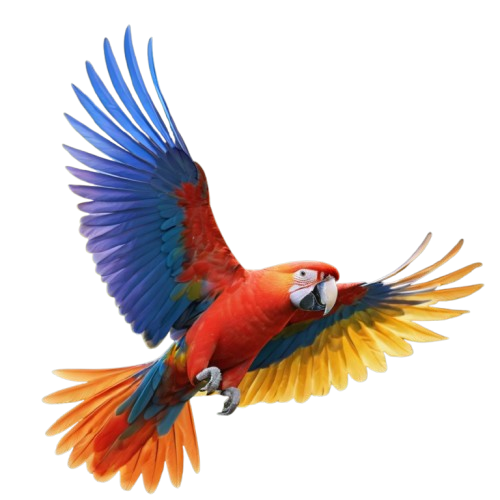
Can cockatoo parrots learn to talk and imitate human sounds
Can cockatoo parrots learn to talk and imitate human sounds? Yes, many can learn words, whistles, household noises, and even short phrases, although their ability varies from one bird to another. Cockatoos are intelligent, social parrots that often pay close attention to the sounds around them. Some develop an impressive collection of imitations, while others communicate mainly through whistles, calls, body language, and affectionate behavior. If you are thinking about bringing one home, understanding how cockatoos learn, which sounds they may copy, and how to encourage communication will help you set realistic expectations.
Can Cockatoo Parrots Learn to Talk Like Humans?
Yes, cockatoos can learn to imitate human speech, but their talking ability is different from human language. A cockatoo might say “hello” when someone enters the room, repeat a familiar name, or imitate a phrase it hears every morning. It may even use a learned sound in a particular situation because it associates that sound with attention, food, or excitement.
That does not necessarily mean the bird understands every word in the same way a person does. Often, it learns patterns and associations through repetition.
Cockatoos also communicate with more than their voices. Crest position, posture, movement, eye behavior, and vocal intensity can tell you a great deal about their mood. In my view, owners sometimes focus so much on teaching words that they overlook these other forms of communication.
Some cockatoos become accomplished mimics. Others prefer whistles, squeaks, or calls that resemble sounds they hear in their environment. Both are normal.
What Sounds Can a Cockatoo Parrot Imitate?


10
A cockatoo’s sound collection can be surprisingly varied. Depending on the individual, it may imitate:
- Human words: Common examples include “hello,” “goodbye,” and a person’s name.
- Short phrases: Some birds learn greetings or familiar expressions repeated consistently.
- Whistles and melodies: These can be easier for certain birds to reproduce than spoken words.
- Household noises: Doorbells, telephone sounds, alarms, and other frequently heard noises may attract a cockatoo’s attention.
- Other birds: Cockatoos may copy calls they hear from nearby parrots or wild birds.
- Everyday vocal sounds: Laughter, coughing, and similar sounds may also be imitated.
There is no guaranteed vocabulary. A bird that learns five words may be just as engaging a companion as one that learns twenty. What matters is how it communicates and whether its needs are being met.
How to Teach a Cockatoo Parrot to Talk
Teaching a cockatoo to imitate human sounds is usually a gradual process. I would start with one short word rather than trying to teach several phrases at once. Choose something you say naturally every day, such as “hello,” and repeat it in a calm, friendly voice when the bird is relaxed and paying attention.
Here are some useful training steps:
- Choose a simple sound. Start with a short word or whistle that is easy to repeat consistently.
- Practice at the right time. Work with your cockatoo when it is comfortable, alert, and interested in interacting.
- Repeat the sound naturally. Use the same word during relevant daily activities rather than repeating it loudly for long periods.
- Reward attempts. Offer gentle praise or a small, suitable treat when the bird makes an effort to copy the sound.
- Keep sessions short. A few enjoyable minutes can be more productive than a long session that leaves the bird frustrated.
- Be patient. Some cockatoos begin imitating sounds relatively quickly, while others take much longer or never develop clear speech.
Never punish a bird for failing to speak. Vocal learning should be a positive experience, and trust matters more than a growing vocabulary.
It is also worth remembering that cockatoos learn from sounds they hear throughout the day. A bird may unexpectedly copy a doorbell or a familiar expression without any formal training. That is part of what makes living with a vocal parrot so interesting.
Which Cockatoo Species Are Good at Imitating Human Sounds?


6
Cockatoos vary in their vocal abilities, even within the same species. Sulphur-crested Cockatoos, for example, are known for their vocal flexibility, and some individuals learn words and phrases alongside whistles and other sounds. Umbrella Cockatoos can also imitate human speech and familiar noises.
However, it would be misleading to promise that one species or individual will always be a better talker. Research involving companion parrots has found substantial variation between individual birds, with species differences playing an important role.
When choosing a cockatoo, consider its complete care requirements rather than selecting one solely for its talking ability. These birds need considerable social interaction, enrichment, exercise, and appropriate veterinary care. They can also be extremely noisy, which may be difficult in apartments or homes with noise restrictions.
Umbrella Cockatoo Parrots for Sale: What Should Buyers Know?
If you are researching Umbrella Cockatoo parrots for sale, you may be interested in finding a bird that can develop a strong bond with its owner and possibly learn human speech. Umbrella Cockatoos are intelligent, social parrots, and some become skilled mimics. Still, no responsible seller can guarantee that a particular bird will learn to talk.
Before purchasing one, ask about its age, health history, current diet, weaning status, behavior, and previous socialization. Request relevant veterinary records and verify that the seller has the legal right to offer the bird. Trade and ownership requirements vary by country, so check the rules that apply where you live.
A Practical Guide to Finding a Responsible Breeder
Rather than choosing a seller based on promises about talking ability, look for these qualities:
- Transparent records: The seller provides available health and origin documentation.
- Knowledgeable care: They can explain the bird’s diet, housing, enrichment, and social needs.
- Responsible weaning: The bird eats independently before it is transferred to a new owner.
- Honest expectations: The seller explains that talking ability and temperament vary.
- Legal sourcing: The bird’s ownership and sale comply with applicable wildlife and trade laws.
- Ongoing guidance: The seller is willing to discuss settling-in routines and appropriate care after purchase.
No location was specified for this search, so a verified local breeder list cannot be provided accurately. If you are considering an Umbrella Cockatoo, also investigate reputable bird rescues and adoption organizations. These parrots can live for decades and have demanding needs that prospective owners should understand before committing.
Conclusion
Can cockatoo parrots learn to talk and imitate human sounds? Absolutely. Many can copy words, whistles, tunes, and familiar household noises, although their abilities differ considerably. Consistent, positive interaction can encourage vocal learning, but talking should never be the only measure of a bird’s intelligence or suitability as a companion.
If you are planning to welcome a cockatoo into your home, focus on its health, individual personality, welfare, and long-term care needs. A bird that never says a single word can still be an engaging and rewarding companion.
Frequently Asked Question
At what age do cockatoo parrots start talking?

There is no fixed age when a cockatoo begins imitating human speech. Some young birds start copying sounds relatively early, while others develop their vocal skills later or never speak clearly. Regular interaction and a stimulating environment may encourage learning, but age alone cannot predict a bird’s ability. Choose a cockatoo for its overall suitability as a companion rather than expecting it to reach a particular vocabulary milestone.