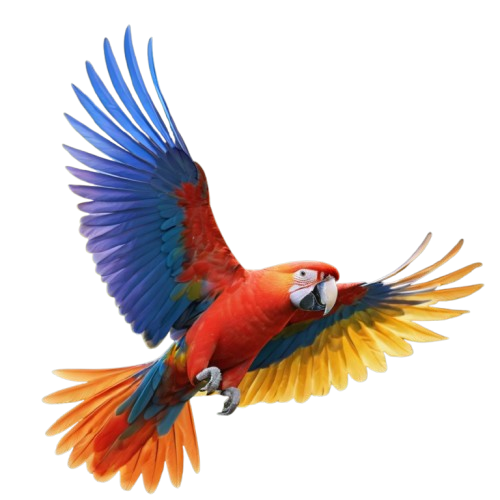
Can Amazon parrots learn to talk and sing
Can Amazon parrots learn to talk and sing? Yes, many Amazon parrots can learn human words, imitate household sounds, whistle tunes, and even sing short musical phrases. Some develop surprisingly clear speech, while others prefer whistles, calls, or a handful of familiar words. Their ability depends on the individual bird, its species, personality, environment, and the time spent interacting with it. If you are considering an Amazon parrot, remember that talking ability is a possibility, not a guarantee. The best approach is patient, positive training that builds trust rather than forcing the bird to perform.
Can Amazon Parrots Really Learn Human Speech?
Amazon parrots are well known for their vocal abilities. They can imitate sounds they hear repeatedly and sometimes use familiar words in recognizable situations. A bird might greet its owner when someone enters the room, repeat a household phrase, or whistle when it hears a favorite tune.
Still, there is a difference between copying a sound and understanding language as humans do. A parrot may associate a particular phrase with attention, food, or a familiar activity without understanding every word’s meaning.
Some birds begin mimicking sounds while young; others develop their repertoire more gradually. Age alone does not determine success. An adult Amazon parrot can also learn new sounds when given suitable opportunities and patient encouragement.
The important thing is not to judge every bird by how many words it knows. I would pay attention to how comfortably it interacts with people, whether it enjoys training, and how it responds to its surroundings. Those details matter much more in everyday life.
Which Amazon Parrot Species Are Best at Talking and Singing?

1. Blue-fronted Amazon
Blue-fronted Amazons are well known for their ability to imitate speech, whistles, and familiar sounds. Some develop clear words and lively vocal routines, although individual ability varies.

2. Yellow-naped Amazon
This species is especially recognized for vocal mimicry. It can be an engaging choice for an experienced owner prepared for loud calls, daily interaction, and ongoing training.

3. Double yellow-headed Amazon
Often celebrated for speech imitation, this parrot may learn words, phrases, and musical sounds. Its vocal ability is appealing, but its noise level and long-term care needs deserve equal consideration.

4. Orange-winged Amazon
Orange-winged Amazons can learn to mimic human sounds, too. Some are less accomplished mimics than the especially talkative Amazon species, but there is considerable variation between individual birds.
Remember that this is a practical shortlist, not a guaranteed ranking. Even within the same species, one parrot may develop an impressive repertoire while another communicates mainly through whistles and natural calls.
How to Teach an Amazon Parrot to Talk
You do not need complicated equipment or an elaborate training schedule. A calm room, a familiar phrase, and a few minutes of positive interaction are enough to begin.
Step 1: Choose one simple word
Start with a short expression such as “hello,” “good morning,” or the bird’s name. Say it clearly in a relaxed voice during a pleasant interaction. Repeating several different phrases at once can make it harder to focus on the sound you want to encourage.
Step 2: Practise when your bird is comfortable
Choose a time when your parrot is alert and interested in interacting. If it moves away, becomes tense, or appears frightened, give it space. Training should feel like a social activity, not an obligation.
Step 3: Reward attempts at imitation
When your bird makes a sound resembling the chosen word, respond with gentle praise or a small, suitable treat. It does not have to pronounce the word perfectly at first. Rewarding voluntary attempts helps keep the experience enjoyable.
Step 4: Repeat the lesson consistently
Try a few short sessions throughout the day rather than one exhausting lesson. Some parrots make progress within weeks; others take months, and some never develop recognizable human speech. There is no dependable timetable.
Reward-based training and gentle repetition are recommended approaches to teaching birds new behaviors. Never punish a parrot for failing to speak.
Can Amazon Parrots Learn to Sing Songs?
Yes. Amazon parrots can imitate musical phrases, whistles, and repeated sound patterns. A bird might learn the opening notes of a familiar tune or develop a little sequence of whistles that it repeats when people are nearby.
To encourage singing, choose a short, pleasant melody and play it at a comfortable volume. You can also whistle the tune yourself, allowing the bird to listen and respond naturally. Keep background music moderate, and make sure your parrot can retreat to a quiet area whenever it wants.
Do not worry if the bird learns only part of the tune. Some parrots prefer particular notes or invent their own variations. That is part of what makes living with a vocal bird interesting.
Also, remember that singing and talking are only two aspects of parrot behavior. Amazon parrots need appropriate housing, nutritious food, enrichment, exercise, and daily social interaction whether they ever learn a song or not.
Amazon Birds for Sale: Choosing a Parrot With Talking Potential
If you are exploring Amazon Birds for sale, ask the breeder about the individual bird’s vocal habits instead of relying solely on its species name or advertised age. A parrot that already imitates words or whistles can give you an idea of its current abilities, but there is no guarantee that it will continue developing the same way in a new home.
Before purchasing, observe the bird’s behavior, ask for its age and veterinary records, and find out whether it has been raised in a suitable environment. A seller should be willing to discuss the bird’s diet, socialization, daily routine, and any known health concerns.
You can also ask whether the bird voluntarily interacts with people and how it responds to familiar sounds. Avoid sellers who promise a particular vocabulary or claim that every bird of a certain sex will talk. Research has found substantial variation in vocal mimicry, including among birds of the same species.
Five places to look for a responsibly sourced Amazon parrot
- Established specialist breeders: Ask about captive breeding, health records, socialization, and the bird’s current vocal behavior.
- Avian veterinary referrals: A qualified avian veterinarian may be able to recommend responsible sources in your area.
- Bird clubs and aviculture associations: These communities can help you learn about local breeders and their practices.
- Parrot rescue organizations: Adult birds may already have recognizable words, whistles, or established routines, although their histories vary.
- Licensed exotic-bird dealers: Where legally permitted, look for transparent sourcing and appropriate documentation.
These are categories of potential sources rather than verified individual breeder recommendations. Check references, inspect the bird when possible, and confirm the legal requirements for keeping or transporting the species in your location.
A Practical Guide for New Amazon Parrot Owners
Before bringing an Amazon parrot home, prepare a secure enclosure, safe toys, suitable perches, a balanced diet, and access to an avian veterinarian. Make time for interaction every day, but allow the bird to rest and entertain itself independently, too.
Expect some noise. Amazon parrots can make powerful calls, particularly at certain times of day, and teaching a few words will not eliminate their natural vocalizations. If you live in an apartment or a noise-sensitive household, consider this carefully before purchasing.
Build trust before expecting performance. Talk to your parrot during ordinary activities, reward calm interaction, and introduce new experiences gradually. If the bird never learns to sing or speak clearly, it can still become a rewarding companion.
Conclusion
Can Amazon parrots learn to talk and sing? Absolutely. Many are talented vocal mimics capable of learning words, whistles, tunes, and familiar household sounds. However, no breeder can guarantee how much an individual bird will learn.
Choose a parrot for its overall health, temperament, and compatibility with your household rather than speech alone. With patience, positive reinforcement, and a stimulating environment, you can encourage its natural vocal abilities while building a trusting relationship.
Frequently Asked Question
At what age do Amazon parrots start talking?
There is no fixed age when an Amazon parrot begins talking. Some young birds start experimenting with sounds early, while others develop recognizable words later or never imitate human speech. Age, exposure, personality, and social environment may all play a role, but none guarantees success. Use short, positive training sessions and reward voluntary attempts. If your parrot communicates mainly through whistles or natural calls, that is normal too; it does not mean the bird is less intelligent or less capable of bonding with you.