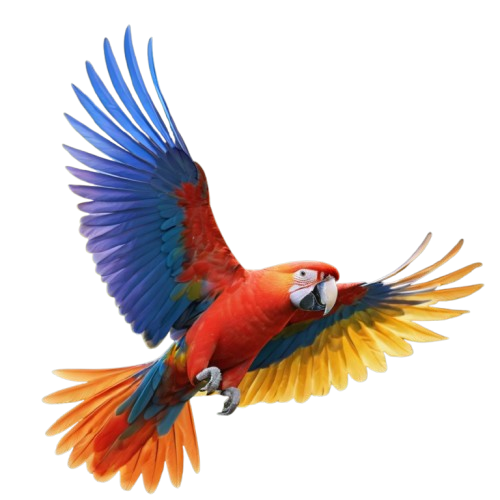
Are ringneck parakeets easy to tame and train
Are ringneck parakeets easy to tame and train? Yes, Indian ringneck parakeets can become affectionate, confident companions with patient handling, consistent training, and plenty of positive interaction. However, they are intelligent, independent birds, and not every individual becomes comfortable with hands at the same speed.
Young birds that have been gently socialized may settle into a new home more easily, but older parakeets can learn to trust people too. The secret is to avoid forcing contact, reward small signs of progress, and build a relationship at the bird’s pace. Whether you already own a ringneck or are researching your first parrot, understanding its behavior, choosing suitable training methods, and preparing the right environment will make the process much smoother.
Are Ringneck Parakeets Easy to Tame and Train as Pets?
The answer depends on the bird you bring home and how you approach it. Ringnecks are clever learners, but they are not always the sort of parrot that immediately wants to sit on your hand. Some approach people out of curiosity, while others watch from a perch for days before accepting a treat.
1. Start by building trust
When a ringneck first arrives, give it a quiet place to settle. Keep its cage in a safe area where it can see ordinary household activity without being overwhelmed by constant movement. Sit nearby, speak softly, and let the bird become familiar with your presence.
Offer a small, suitable treat through the bars if it seems comfortable. If it moves away, respect that choice. You are trying to teach the parakeet that your hands bring pleasant experiences, not that it has to tolerate being caught.
2. Teach simple commands gradually
Once the bird accepts your presence, introduce target training. Use a small stick as a target and reward the bird when it gently touches the end with its beak. This creates a foundation for guiding the bird around its cage and encouraging it to approach you.
Next, teach the step-up command. Offer a stable perch or your hand, give the cue, and reward the bird for moving onto it voluntarily. A nervous bird may find a handheld perch less intimidating than fingers at first.
Keep sessions brief, perhaps five minutes to begin with, and finish before the bird becomes frustrated. Reward-based methods and gradual progress are recommended in practical ringneck training guidance.
3. Understand biting and independent behavior
A ringneck may nip when frightened, overstimulated, or uncomfortable with handling. Sometimes it simply wants more space. Watch for leaning away, lunging, or other changes in posture and pause before the situation escalates.
Adolescent birds may also become less cooperative for a period. That does not mean their training has failed. Return to easier exercises, reward calm behavior, and avoid grabbing, shouting, or punishing the bird.
Remember that a tame parakeet does not have to enjoy constant touching. A bird that willingly approaches, steps onto a perch, and feels secure around its owner can be well socialized even if it prefers limited physical contact.
How Long Does It Take to Tame a Ringneck Parakeet?
There is no reliable timetable for every bird. A confident, well-socialized youngster might begin accepting treats within days, while a fearful adult may need weeks or months of patient work. These are possibilities, not guarantees.
Progress is best measured by behavior rather than a deadline. Is the bird eating comfortably while you sit nearby? Does it approach your hand without retreating? Can it remain relaxed during a short training session? Those small changes matter.
Avoid comparing your parakeet with videos of birds that already perform tricks. You rarely see the months of trust-building that may have come first. And if a previously comfortable bird suddenly starts biting, becomes withdrawn, or stops eating normally, arrange an assessment with an avian veterinarian rather than assuming it is simply being stubborn.
Ringneck Parakeet Training Guide for Beginners

Step 1: Reward calm behavior
Offer a tiny piece of an appropriate treat when your parakeet stays relaxed near you. Do not withhold its normal meals to make it hungry enough to cooperate.

Step 2: Introduce a target
Present a small target at a comfortable distance. Reward a gentle touch, then gradually encourage the bird to move toward it.

Step 3: Practise stepping up
Use a steady perch or hand and reward voluntary movement onto it. Keep your movements predictable and give the bird room to decline.

Step 4: Make training part of daily life
Rotate safe toys, provide foraging opportunities, and practise simple cues regularly. Training should be stimulating, not an obligation that leaves the bird exhausted.
Training works best when your ringneck can choose to participate. Positive reinforcement helps make the experience predictable and enjoyable, while target exercises can also help with moving a bird without direct handling.
Choosing a Ringneck Parakeet: What Beginners Should Know
Before bringing a ringneck home, consider more than its color or how quickly it learns to talk. These parrots need daily interaction, room to move, mentally stimulating activities, and a safe environment. They can also be noisy, particularly when calling for attention.
A well-socialized bird may be easier to work with, but hand-rearing alone does not guarantee a friendly temperament. Ask how the bird was raised, whether it eats independently, what food it currently receives, and how it responds to ordinary handling.
Choose a fully weaned bird that is eating reliably on its own. Never accept a seller’s promise that a very young, unweaned chick will become more affectionate simply because you finish feeding it yourself.
Listicle: Finding Reputable Ringneck Parakeet Breeders
If you are searching for a ringneck parakeet in Cameroon, use the following checklist when evaluating sellers. These are ways to assess potential sources, not a ranking of breeders.
- Established bird breeders: Look for breeders who can explain their birds’ backgrounds, housing, feeding routines, and socialization practices.
- Bird specialists in Douala: A local listing for Healthy Birds describes a parrot-focused business. Verify its current operations, bird availability, health practices, and documentation independently before making a purchase. Contact Number, Email Address
- Reputable avian veterinarians: Ask whether a veterinary professional familiar with parrots can examine the bird before you commit.
- Responsible bird shops: Visit in person where possible and observe whether the birds have clean water, suitable enclosures, and enough room to move.
- Rescue and rehoming organizations: Consider a bird that needs another home. An older ringneck may be a suitable companion, although its previous experiences will influence how quickly it settles.
A trustworthy seller should welcome reasonable questions and allow you to understand the bird’s condition before payment. Request any relevant veterinary records and legally required documentation. Where applicable, confirm that the bird was legally bred or acquired and that transport arrangements comply with local rules.
For additional guidance, the World Parrot Trust’s parrot ownership advice explains why prospective owners should seek reputable sources and avoid birds taken from the wild.
Parakeet Birds for Sale: What Should You Look For?
If you are exploring parakeet birds for sale, take time to assess the individual bird rather than choosing solely by appearance or price. A healthy-looking ringneck should be alert, able to perch normally, and interested in its surroundings. Its eyes and nostrils should be free of obvious discharge, and its breathing should appear comfortable. These observations are useful, but they cannot replace a veterinary examination.
Ask the seller about the bird’s age, diet, weaning status, handling history, and any previous health concerns. Find out whether it accepts treats, steps onto a perch, or becomes frightened when someone approaches. Honest answers are more valuable than a promise that every bird is already tame.
Prepare the cage, suitable perches, toys, food, and a quiet settling-in area before bringing your new companion home. If you already keep parrots, plan a separate quarantine and veterinary assessment before introducing the newcomer, following your veterinarian’s advice.
Price should not be the only deciding factor. A bird sold cheaply without a clear history may require additional veterinary care or considerable behavior work. Equally, an expensive bird is not automatically healthier or better socialized. Choose a seller who prioritizes welfare and is willing to answer questions after the sale.
Conclusion
So, are ringneck parakeets easy to tame and train? They can be, provided you understand their independent nature and give them time to develop confidence. Some birds learn quickly, while others need a slower approach. Neither is necessarily a problem.
Start with trust, introduce simple reward-based exercises, and pay attention to your parakeet’s body language. Choose a healthy, properly weaned bird from a responsible source, and remember that training is an ongoing relationship rather than a race to achieve tricks. With patience and consistent care, you can help your ringneck become a more confident and cooperative companion.
Frequently Asked Questions
Can you tame an adult ringneck parakeet that bites?

Yes, an adult ringneck that bites can often learn to feel more comfortable around people, although progress varies. Start by identifying what triggers the biting, giving the bird enough space, and rewarding calm behavior. Avoid forcing it onto your hand. If the biting starts suddenly or comes with other behavioral changes, consult an avian veterinarian to rule out pain or illness.