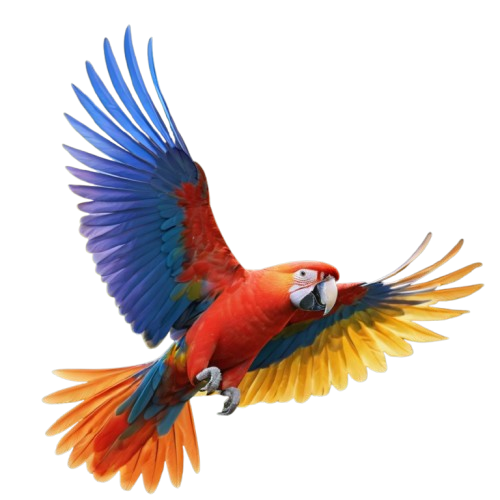
Are cockatiels good with children
Are cockatiels good with children? Yes, cockatiels can make lovely family pets, especially in homes where children are taught to handle animals gently and respect their boundaries. These small parrots are often affectionate, curious, and entertaining, but they are also delicate birds that can become frightened by sudden movements or loud noises. As Mr. Parrot, I recommend considering both the child’s age and the bird’s temperament before bringing a cockatiel home. With adult supervision, patient introductions, and a suitable environment, children can learn a great deal about kindness and responsible pet care while enjoying the company of a feathered companion.
Why Cockatiels Can Be Good Pets for Children
Cockatiels have several qualities that make them appealing to families. They are relatively small, have expressive crests, and often develop recognizable relationships with the people around them. Some learn whistles, imitate familiar sounds, or come forward when their favorite person enters the room.
For a child, watching a cockatiel preen its feathers, explore a new toy, or respond to a familiar whistle can be genuinely exciting. The bird does not need to perform tricks to be entertaining. Sometimes its ordinary behavior is enough.
Cockatiels can also help children learn patience. Unlike a toy, a bird will not always cooperate when someone wants attention. It may prefer to eat, rest, or remain on its perch. Children gradually learn that caring for an animal means considering what the animal needs, not just what they want.
Still, a cockatiel is not an ideal pet for every family. These birds need daily care, social interaction, appropriate nutrition, and a safe living space. Adults should be prepared to meet those needs even when a child loses interest or becomes busy with school.
What Age Is Suitable for a Child to Have a Cockatiel?
There is no single age at which every child is ready for a cockatiel. Maturity, patience, and the ability to follow instructions matter more than a birthday.
Cockatiels and toddlers
Toddlers are naturally curious, but they often move unpredictably and may not understand how fragile a bird can be. A sudden grab or squeeze can seriously injure a cockatiel, while a frightened bird may bite in self-defense.
In homes with toddlers, the safest approach is to keep direct handling under close adult control. The child can watch the bird, speak softly, help choose toys, or observe an adult preparing its food without reaching into the cage independently.
Cockatiels and school-aged children
Older children may be able to participate more actively in daily care. Under supervision, they can help refill water containers, offer approved treats, and practice simple training exercises with a calm bird.
They should understand that a cockatiel is allowed to refuse interaction. If the bird moves away, hisses, or leans back, the child should stop and give it space.
Cockatiels and teenagers
Teenagers may be ready to take on more responsibility, including learning about nutrition, cage hygiene, enrichment, and training. However, adults should still oversee veterinary care, household safety, and long-term decisions.
A cockatiel can live for many years, sometimes well into its twenties with good care. Bringing one home is therefore a family commitment, not simply a childhood activity.
Can Cockatiels Bite Children?
Yes. Even a friendly cockatiel can bite if it becomes frightened, feels cornered, or is handled in a way it dislikes. A bite may cause pain or break the skin, and the bird itself can be injured if a child reacts by pulling, dropping, or squeezing it.
Teach children to recognize warning signs before they approach the bird.
- Hissing: The cockatiel may be asking for more space.
- Leaning away: It may not want to be touched or picked up.
- Lunging or opening its beak defensively: The bird is signaling discomfort.
- Flattening its crest with a tense posture: This may indicate fear or agitation.
- Moving away repeatedly: The bird is showing that it does not want the interaction to continue.
A cockatiel’s crest can rise when it is curious or excited, so children should learn to look at the bird’s whole posture rather than one signal alone.
Never encourage a child to chase a bird around its cage, force it onto a hand, or pull it from a hiding place. If a cockatiel repeatedly bites or suddenly becomes defensive, an adult should assess the situation and seek veterinary advice if pain or illness may be involved.
How to Introduce a Cockatiel to Children Safely
The first few days in a new home can be unsettling for a cockatiel. Give the bird time to become familiar with its surroundings before expecting it to interact with the entire family.
1. Prepare a quiet space
Place the cage in a suitable area where the bird can observe ordinary household activity without being surrounded by constant noise. Keep it away from kitchens, smoke, fumes, and other environmental hazards.
Explain to children that the cage is the bird’s home. They should not bang on it, put their fingers through the bars, or disturb the bird while it is resting.
2. Let the bird approach voluntarily
Begin with quiet observation. Children can sit nearby and speak gently while the cockatiel becomes accustomed to their presence.
If the bird approaches the cage bars or accepts a treat from an adult, that is encouraging. There is no need to rush toward touching or holding it. Some cockatiels settle in quickly; others need several weeks or longer.
3. Teach gentle interaction
When the bird is comfortable, an adult can demonstrate how to offer a suitable treat from an open palm or how to invite the bird onto a handheld perch.
Children should keep their movements slow and their voices calm. They must never squeeze the bird, hold its wings down, pull its tail, or attempt to kiss it. Face-to-face contact can also create risks from bites and exposure to germs.
4. Supervise every interaction
Young children should never be left alone with a cockatiel, even if the bird appears exceptionally tame. An adult should remain close enough to intervene if the child becomes too excited or the bird shows signs of distress.
Also, keep doors and windows secure whenever the bird is outside its cage. A startled cockatiel can fly unexpectedly, and an open door can turn a pleasant family interaction into a dangerous situation.
Choosing the Right Cockatiel for a Family
When selecting a cockatiel, focus on health, temperament, and the breeder’s care practices rather than color alone. A bird advertised as tame may still need time to trust a new family.
Use this checklist when speaking with a breeder:
- Ask about temperament. Find out how the bird responds to ordinary handling and unfamiliar people.
- Confirm weaning status. Choose a bird that is fully weaned and eating independently rather than one that still requires hand-feeding.
- Check general health. Look for clear eyes, clean feathers, comfortable breathing, and alert behavior.
- Discuss its background. Ask about its age, diet, socialization, and any known medical concerns.
- Observe its environment. Clean water, suitable perches, appropriate food, and enrichment are important signs of attentive care.
- Request available health records. Ask whether the bird has received veterinary attention and arrange an examination with an avian veterinarian.
- Consider the family routine. Make sure an adult has enough time to provide daily care, cleaning, interaction, and exercise.
- Prepare suitable housing. The cage should provide enough room for movement and wing extension, with safe perches and toys.
- Plan for gradual introductions. Do not expect the cockatiel to accept every family member immediately.
- Think about long-term care. Establish who will care for the bird during holidays, busy school periods, and other changes in family life.
A good breeder should answer questions honestly and avoid guaranteeing that a bird will never bite. Even a well-socialized cockatiel has individual preferences and boundaries.
Pied Cockatiels for Sale
Pied cockatiels are admired for their distinctive patches of yellow, white, and grey feathers. Their markings can vary considerably from one bird to another, so two pied cockatiels may look quite different despite sharing the same color mutation.
If you are researching pied cockatiels for sale, consider more than appearance. A bird’s health, upbringing, and ability to settle into your household are important, particularly when children will be around it. Pied cockatiels are not a separate species; they are cockatiels with a particular feather-color pattern, and their everyday care requirements are the same as those of other cockatiels.
Ask the breeder about the bird’s age, current diet, weaning status, and experience with people. Observe its behavior without forcing it to be handled. A bird that is quiet in a shop or breeding environment may need time to feel secure at home.
Color does not guarantee temperament or friendliness. Some pied cockatiels readily approach people, while others prefer to observe before interacting. Children should be taught to respect either personality.
Before bringing one home, prepare a suitable cage, safe toys, food, and a quiet settling-in area. An adult should take primary responsibility for care and arrange veterinary attention when needed. Choosing a healthy bird from a responsible breeder and introducing it patiently gives your family a better foundation for a lasting relationship.
Conclusion
Are cockatiels good with children? They can be excellent companions for families that understand their needs and are willing to supervise interactions carefully. Their curious personalities, whistles, and distinctive behavior can make them enjoyable birds to observe and care for.
However, cockatiels are delicate animals, not toys. Children must learn to move gently, recognize warning signals, and accept when a bird needs space. Adults remain responsible for the bird’s safety, health, and daily care.
If your family is considering a cockatiel, take time to choose a healthy bird with a suitable temperament and prepare your home before bringing it in. A calm introduction and consistent care can help children and cockatiels develop a positive relationship over time.
Frequently Asked Question
Are cockatiels safe for young children?

Cockatiels can live in households with young children, but direct interactions require close adult supervision. Their small bodies are vulnerable to accidental injury, and they may bite when frightened or handled roughly. Teach children to observe quietly, avoid grabbing the bird, and respect its space. Adults should remain responsible for handling, feeding, cleaning, and veterinary care.