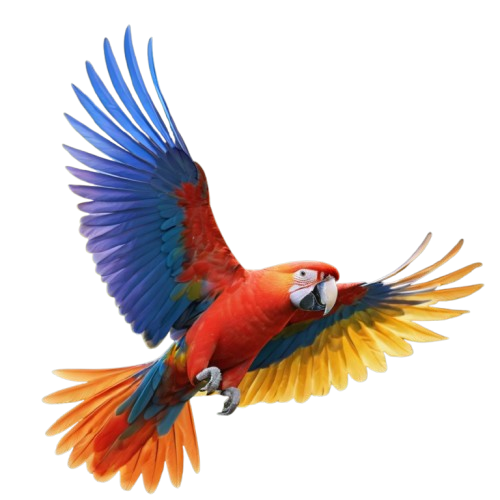
Can macaws fly inside the house
Can macaws fly inside the house? Yes, macaws can fly indoors if there is enough clear space and the environment has been made safe for them. However, their large wings, powerful flight, and long tails mean that an ordinary living room can present more risks than many owners expect. Before allowing a macaw to fly freely, secure windows and doors, switch off ceiling fans, cover large glass surfaces, and remove hazards such as hot cookware, exposed electrical wires, and toxic fumes. Flight should be introduced gradually, with the bird’s fitness, confidence, and training taken into account. A spacious room can provide useful exercise, but indoor flight is not automatically safe just because a bird is inside the house.
Can Macaws Fly Inside the House Safely?
Yes, but the room needs to be prepared before you open the cage. Macaws are strong fliers, and even a bird that usually lands neatly on a perch can become startled by a sudden noise or unexpected movement. In a confined space, that reaction may lead to a collision.
1. Choose a Suitable Room
A larger room with an open flight path is preferable to a narrow hallway filled with furniture. Remove fragile objects, secure loose cables, and make sure the macaw cannot become trapped behind cupboards or heavy furniture. Keep children and other pets out during flight sessions.
2. Make Windows and Glass Doors Visible
Macaws may not recognize clear glass as a solid barrier. Close curtains or blinds, or use suitable window markings to make the surface more visible. Check mirrors as well, especially if they reflect what looks like an open passage.
3. Turn Off Fans and Remove Household Hazards
Switch off ceiling and other exposed fans before letting your bird fly. Keep the macaw away from hot cooking surfaces, open flames, standing water, toxic plants, and electrical cords. Avoid aerosols, smoke, and fumes from overheated nonstick cookware, which can be particularly dangerous to birds.
4. Build Flight Skills Gradually
If your macaw is unfamiliar with indoor flight, start with short, calm sessions in a secure room. Positive-reinforcement training can help the bird learn to return to a perch or respond to a recall cue. Do not throw the bird into the air or chase it around the room.
5. Supervise Every Session
Stay in the room and pay attention throughout the session. Even a well-trained macaw can become frightened or distracted. If the bird seems exhausted, distressed, or unsteady, end the session calmly and seek veterinary advice if symptoms persist.
Indoor flight can be valuable exercise, but safety depends on the individual bird and its surroundings. Consult an avian veterinarian about whether unrestricted flight is appropriate for your macaw.
How to Prepare a Macaw for Flying Indoors
A macaw needs more than an open room to become comfortable flying inside a house. Its confidence, physical condition, and previous experience all make a difference.
- Provide landing spots: Place stable perches or a bird stand at suitable heights so your macaw has somewhere familiar to land and rest.
- Keep the room predictable: Avoid sudden movements, loud music, and visitors crowding around the bird during early sessions.
- Use rewards rather than pressure: Offer a favorite suitable treat when your macaw voluntarily returns to a perch. Keep training sessions brief and positive.
- Allow time to adapt: A newly acquired bird may need time to settle into its home before attempting free flight. Let it become comfortable with its surroundings first.
- Consider the bird’s physical condition: Young birds still learning coordination, birds with clipped wings, and birds recovering from illness may need different arrangements. Ask an avian veterinarian for individual guidance.
One thing worth remembering is that flying indoors and flying outdoors are very different situations. A bird that can navigate a familiar living room may still be at serious risk of escaping through an open door or becoming disoriented outdoors. Never assume that recall training guarantees a safe return.
The Association of Avian Veterinarians discusses the benefits and potential risks of pet bird flight in its guidance on flight for pet birds.
Macaw Species and Their Indoor Flight Needs
Different macaw species have different physical dimensions, but all need an environment suited to their size and behavior.

Blue-and-Gold Macaw
Its broad wings and long tail require generous clearance. Keep the flight path free of furniture and make sure the bird has enough space to turn without striking walls.

Scarlet Macaw
This active species benefits from regular exercise and mental stimulation. Use a secure room and avoid assuming that a bird will always follow a familiar route.

Green-Winged Macaw
Because of its substantial size, it needs sturdy landing perches and enough room to maneuver. Remove delicate objects and provide safe alternatives for climbing and play.

Severe Macaw
Although smaller than some macaws, it still needs room to move and opportunities for supervised exercise. A smaller species does not eliminate household flight hazards.
Regardless of species, provide an appropriately sized enclosure for resting and unsupervised time. Indoor flight is an addition to suitable housing, not a replacement for it.
Macaw Birds For Sale
If you are researching macaws before bringing one home, choosing a responsible seller is just as important as preparing your house for indoor flight. A well-cared-for bird should have a clear history, an appropriate diet, and opportunities for normal movement and enrichment.
When comparing Macaw Birds For Sale, ask the seller about the bird’s age, species, weaning status, health checks, and previous living conditions. If the macaw is already comfortable with handling or recall training, ask how those skills were developed and whether you can observe its behavior. Avoid relying on photographs alone, since an attractive appearance does not establish good health.
Consider your available space, household noise, daily schedule, and access to an avian veterinarian before deciding which macaw is suitable. These parrots are intelligent and can be rewarding companions, but they require considerable long-term commitment. Check any applicable wildlife trade requirements and obtain the relevant identification and ownership documents.
A trustworthy seller should answer questions openly and give you time to make a sensible decision. Do not rush into a purchase simply because a bird is available immediately.
Conclusion
Can macaws fly inside the house? Absolutely, provided the environment is appropriate and the bird can fly without unnecessary risk. Secure windows and doors, switch off fans, remove household hazards, and supervise every session. Start with a familiar, quiet room and build confidence through patient training.
Every macaw is different. With careful preparation, appropriate veterinary guidance, and consistent attention to safety, indoor flight can become a useful part of your parrot’s exercise and enrichment routine.
Frequently Asked Question
How long should a macaw fly inside the house each day?

There is no single duration that suits every macaw. The appropriate amount depends on its fitness, health, housing, training, and individual needs. Offer regular opportunities for safe movement and enrichment, and discuss an appropriate exercise routine with an avian veterinarian. Remember that time outside the enclosure should be supervised, and the room must be made safe before each flight session.