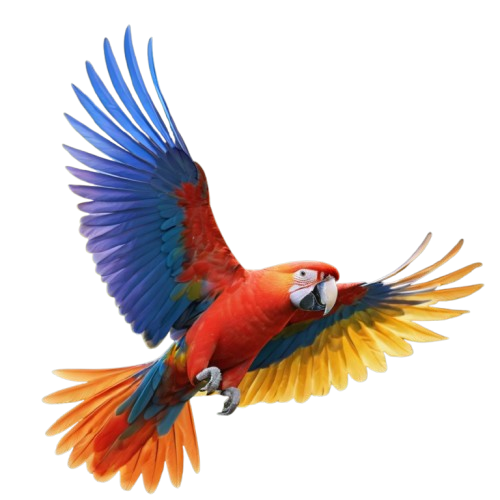
What toys do macaws enjoy most
What toys do macaws enjoy most? Macaws generally enjoy toys they can chew, shred, climb on, manipulate with their beaks, and investigate with their feet. Untreated natural wood, palm-leaf toys, sturdy foraging puzzles, bird-safe ropes used carefully, and appropriately sized stainless-steel components can all provide useful enrichment. The best choice depends on your macaw’s size, personality, and chewing habits. From what matters most in daily care, variety is important, but safety comes first: a simple wooden toy that encourages natural behavior can be more valuable than an expensive toy your bird barely touches.
1. Wooden Chewing Toys for Macaws


12
Wooden chewing toys are among the most useful additions to a macaw’s environment. These parrots have powerful beaks, and chewing is a natural behavior, not necessarily a sign of frustration or poor manners. A bird that spends part of the afternoon breaking apart a wooden block may simply be doing what comes naturally.
Choose untreated, bird-safe wood and toys made specifically for large parrots. Softer wood may suit a bird that enjoys shredding, while harder pieces can provide a different challenge. Always check the manufacturer’s materials and inspect the toy for splinters, exposed fasteners, and damaged parts.
2. Foraging Toys That Make Mealtime Interesting


9
Macaws enjoy investigating objects, and foraging toys give that curiosity a practical purpose. Rather than placing every piece of food directly in a bowl, you can offer a portion of their normal diet in a suitable puzzle or hide a small treat inside loosely folded, bird-safe paper.
Start with an easy activity. If the food is too difficult to reach, some birds will lose interest instead of trying harder. Once your macaw understands the game, gradually introduce more challenging puzzles.
Foraging should never prevent your bird from receiving its full daily nutrition. Keep track of how much it eats, particularly when introducing a new feeding arrangement. Veterinary guidance on parrot enrichment supports using food-based activities to encourage natural searching and problem-solving. Association of Avian Veterinarians offers further enrichment ideas.
3. Shredding Toys Made From Paper and Palm Leaves


10
Some macaws prefer destroying a toy to playing with it in any other way. Paper strips, suitable cardboard, and commercially prepared palm-leaf toys can provide an outlet for this behavior.
You do not always need something elaborate. Plain, bird-safe paper folded around a small portion of the bird’s usual food can be enough to encourage investigation. Avoid glossy paper, unknown inks, chemical treatments, and materials that may contain adhesives or coatings unsuitable for birds.
Watch how your macaw handles the material. Shredding is useful enrichment, but swallowing large quantities of paper or fibrous material is not the goal.
4. Climbing Toys, Swings, and Activity Stations


9
Macaws need opportunities to move around, stretch, climb, and explore. Sturdy ladders, properly sized swings, and secure play stands can add variety to their day.
The toy must be strong enough for your bird’s weight and beak. Check that hanging equipment cannot trap a toe, wing, or head, and avoid rope loops or frayed fibers that may cause entanglement. Supervise new equipment until you understand how your macaw uses it.
A swing may become a favorite for one bird and remain untouched by another. That is perfectly normal. Watch your bird’s choices rather than buying toys based only on their appearance.
5. How to Choose Toys for Different Macaw Species
Different macaws have different sizes, strengths, and preferences. Their individual personalities matter just as much, though.
- Blue-and-gold macaws: Offer substantial chewing toys, food puzzles, and sturdy climbing equipment.
- Green-winged macaws: Consider large, durable toys designed for powerful beaks and active manipulation.
- Scarlet macaws: Provide varied shredding materials, climbing opportunities, and simple foraging challenges.
- Hyacinth macaws: Select appropriately sized, robust toys and carefully check their construction.
- Blue-throated macaws: Offer varied enrichment while considering the bird’s individual temperament and chewing style.
- Smaller macaw species: Choose toys scaled to their size, while still accounting for their beak strength and activity level.
These are starting points rather than strict rules. A macaw’s preferences may change as it matures, and a bird that ignores a toy today may investigate it later.
Green Wing Macaw Parrots for sale Near Me: What Buyers Should Know
If you are searching for Green Wing Macaw Parrots for sale Near Me, choosing a suitable bird involves more than finding an attractive parrot. Green-winged macaws are large, intelligent birds that need substantial space, daily interaction, suitable enrichment, and a long-term commitment. Their toys are not optional decorations; they provide opportunities to chew, investigate, climb, and remain mentally active.
Before buying, ask the seller about the bird’s age, diet, socialization, veterinary history, and legal documentation. Observe how it behaves around people and whether it can engage with familiar objects comfortably. A responsible breeder should answer questions openly rather than rush you into a purchase.
Look for a bird that has been raised and cared for appropriately, and confirm that its origin and sale comply with applicable wildlife regulations. Avoid sellers who cannot provide credible documentation.
Plan the enclosure and enrichment equipment before bringing your macaw home. Purchase sturdy chewing toys, introduce simple foraging activities, and leave enough room for movement. Remember that a healthy relationship develops over time. Even a well-socialized macaw needs patience, consistent care, and opportunities to choose how it interacts with its surroundings.
How to Keep Macaw Toys Safe and Interesting
Good enrichment depends on regular observation. Check toys daily for sharp edges, broken components, loose hardware, and frayed fibers. Avoid small detachable parts, unsafe metals, and soft plastics that a powerful beak can break into swallowable pieces. Rope toys require particular care because loose strands can entangle toes or cause injury if swallowed.
Introduce unfamiliar toys gradually. Some macaws approach new objects immediately, while others need several days to become comfortable with them. You can initially place a new toy outside the cage or within sight of the bird before making it accessible.
Rotate toys periodically, but do not remove every familiar object at once. A selection of a few suitable toys, adjusted to leave plenty of room for movement, is a sensible starting point. Keep track of which activities your bird chooses most often.
Conclusion
What toys do macaws enjoy most? Many favor wooden chewing toys, shreddable materials, food puzzles, and sturdy climbing equipment, but there is no single favorite that suits every bird. Start with safe, appropriately sized options, observe how your macaw plays, and adjust the selection as its interests change. A toy does not have to be expensive to be worthwhile. It needs to encourage natural behavior without creating unnecessary risks. Consistent enrichment, social interaction, and a safe environment make a meaningful difference to a macaw’s daily life.
Frequently Asked Question
How many toys should a macaw have in its cage?

Start with around three to five appropriately sized toys, provided they leave enough room for comfortable movement. Include different activities, such as chewing, shredding, and foraging, rather than filling the enclosure with toys of the same type. Rotate selections as needed, inspect them daily, and remove damaged items immediately. Some macaws prefer a few familiar toys, while others enjoy frequent changes. Let your bird’s behavior and safety guide the arrangement.