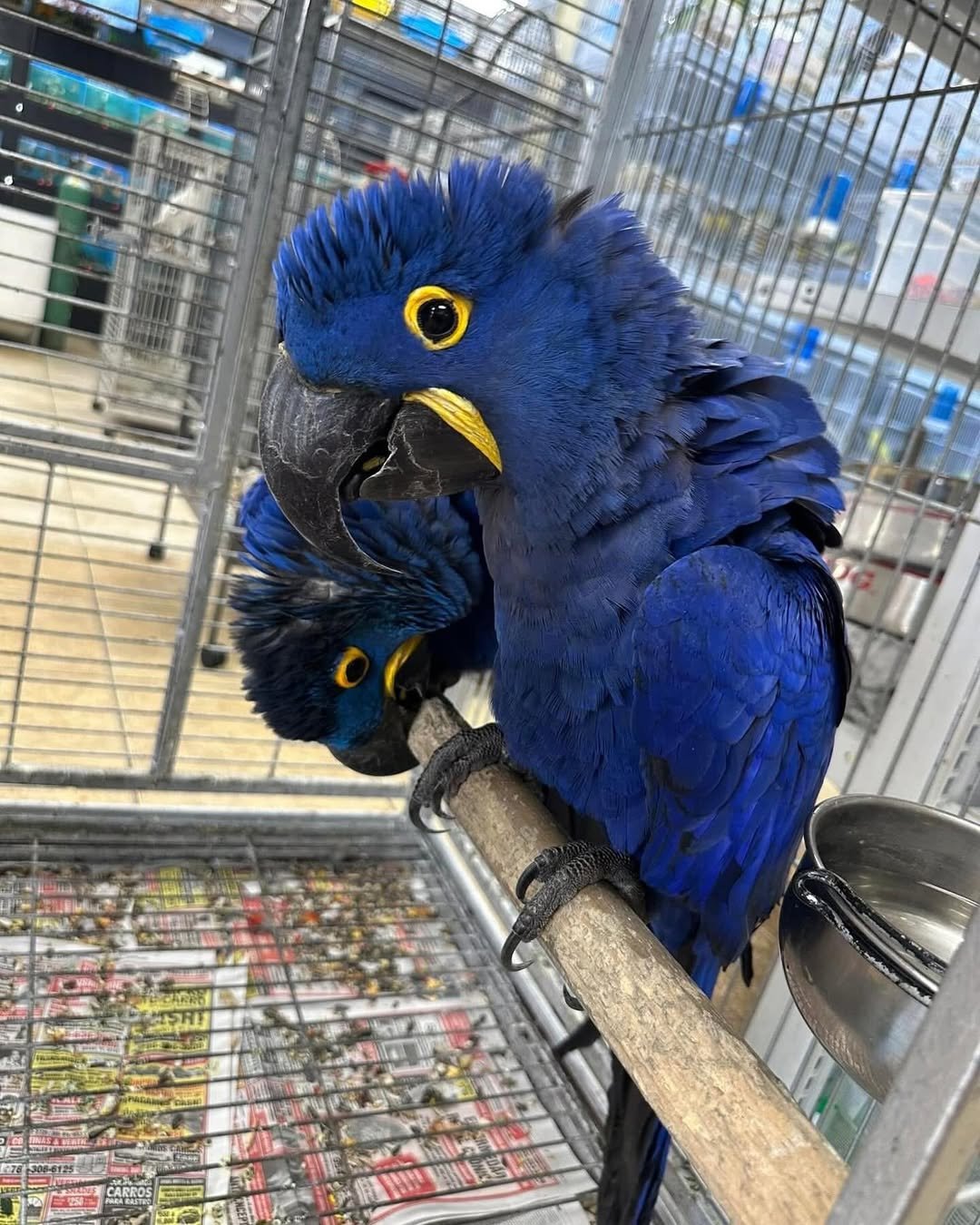
Do macaws need outdoor time
Do macaws need outdoor time? Yes, outdoor time can provide valuable sunlight, fresh air, movement, and mental stimulation, provided it is carefully supervised and the environment is safe. Macaws benefit from opportunities to experience natural daylight and explore different sights and sounds, but they should never be left exposed to weather, predators, or escape risks. A secure outdoor aviary or a properly fitted bird harness can make outdoor experiences safer. The important thing is to consider your macaw’s temperament, local climate, and health before establishing a routine.
How Much Outdoor Time Does a Macaw Need?
There is no single number of minutes that suits every macaw. Some birds enjoy a short outdoor visit, while others become comfortable spending longer periods in a well-designed aviary. The right routine depends on the weather, the bird’s health, its previous experiences, and whether it can move between sunlight and shade.
Outdoor enrichment can be especially useful for parrots that spend much of their time indoors. Natural sounds, changing light, and the sight of trees can offer stimulation that a familiar room may not provide. The Association of Avian Veterinarians recommends using a secure cage, carrier, or properly fitted harness and keeping shade and fresh water available.
Signs Your Macaw Is Enjoying Outdoor Time
A comfortable macaw may explore its surroundings, preen, vocalize normally, or investigate a perch. A nervous bird might freeze, cling tightly to the cage, or repeatedly try to move away. Do not assume that silence means relaxation; observe the bird’s posture and behavior as a whole.
Start with a brief session in a secure outdoor cage, staying nearby throughout. If the bird appears comfortable, you can gradually extend the time on later days. There is no need to rush it.
When Should You Keep a Macaw Indoors?
Avoid outdoor sessions during extreme heat, storms, strong winds, or conditions that could chill your bird. In hot weather, provide shade and water continuously, and watch for panting or wings held away from the body. These can indicate overheating and require prompt action.
Also consider local disease risks, insects, nearby pets, and wild birds. Outdoor time should enrich your macaw’s life, not expose it to preventable hazards. If your bird has a medical condition, ask an avian veterinarian what conditions are appropriate.
Safe Ways to Give Macaws Outdoor Time


8
There are several ways to introduce outdoor experiences, and the best option is the one that keeps your bird secure without causing unnecessary stress.
- A secure outdoor aviary: A well-built aviary allows movement and exploration while preventing escape. Use strong, bird-appropriate materials, secure doors, predator protection, shade, and a sheltered area.
- A portable bird cage: This is useful for short supervised visits, especially when a permanent aviary is not available. Check every latch before going outside.
- A travel carrier: A secure carrier is practical for brief outdoor exposure or transport. Make sure it has adequate ventilation and cannot overheat in direct sun.
- Harness training: Some macaws can learn to wear a bird-specific harness through gradual, positive-reinforcement training. Never force a harness onto a frightened bird, and remember that no harness is completely escape-proof.
- A sheltered outdoor perch: This can work only when the bird remains safely restrained or inside a secure enclosure. A familiar perch alone is not protection against flight or predators.
The Association of Avian Veterinarians emphasizes supervision and appropriate restraint during outdoor activities.
Even a bird with clipped wings may fly unexpectedly, so never rely on clipping as an escape-prevention method.
Macaw Parrots For Adoption: What Future Owners Should Know
If you are considering adopting a macaw, outdoor access is one part of the care plan worth thinking about before bringing the bird home. Macaw Parrots For Adoption may include birds with very different backgrounds. Some have lived with families for years, while others may need time to become comfortable with people, new surroundings, and unfamiliar activities.
Before adopting, ask about the bird’s age, diet, veterinary history, behavior, and previous housing arrangements. Find out whether it has experienced outdoor aviaries or harness training, but do not assume that a bird accustomed to one setting will immediately feel comfortable in another.
A secure enclosure should be ready before the macaw arrives. Provide shade, fresh water, sturdy perches, and a protected indoor space where the bird can retreat when the weather changes. If the bird is nervous outdoors, begin with a quiet environment and short sessions, provided it remains safely contained.
Choose a reputable rescue organization or adoption provider that prioritizes the bird’s welfare and can explain its needs honestly. Adoption can be rewarding, but macaws require substantial daily care and a commitment that may last for decades.
Outdoor Care Guide for Different Macaw Species
Macaw species vary in size, temperament, and individual preferences, so outdoor routines should be adapted to the bird rather than determined by its name alone.
- Blue-and-gold macaws: Provide secure space, climbing opportunities, shade, and gradual exposure to outdoor sounds.
- Green-winged macaws: Use robust enclosures and sturdy perches suitable for their large size and powerful beaks.
- Scarlet macaws: Monitor their reactions to unfamiliar sights and noises, particularly during their first outdoor sessions.
- Hyacinth macaws: Ensure that enclosure materials and locking systems can withstand a very powerful beak.
- Blue-throated macaws: Offer a secure environment with varied enrichment and opportunities to retreat from stimulation.
- Military macaws: Introduce outdoor experiences gradually, observing the individual bird’s comfort and activity levels.
For all these species, access to fresh air should never replace indoor exercise, social interaction, appropriate nutrition, or veterinary care. Outdoor housing also requires careful protection from predators, pests, and changing weather.
Conclusion
Do macaws need outdoor time? Outdoor access can be beneficial, offering natural light, fresh air, and new experiences, but it is not worth risking a bird’s safety. Choose a secure aviary, carrier, or carefully introduced harness, and always consider the weather and your macaw’s behavior. Some birds enjoy long periods outdoors, while others prefer brief visits. Let comfort and safety guide the routine, and consult an avian veterinarian if you are unsure what conditions are appropriate for your bird.
Frequently Asked Question
Can macaws stay outside all day?

Some macaws can spend extended periods outdoors in a properly designed aviary, but only when the enclosure provides reliable protection, shade, fresh water, shelter, and suitable temperature conditions. The bird must also be protected from predators and potential disease exposure. An outdoor enclosure should include a secure retreat from direct sunlight and adverse weather. Do not leave a macaw outdoors all day simply because the species originates in a warm climate; local conditions and the individual bird’s health matter considerably.