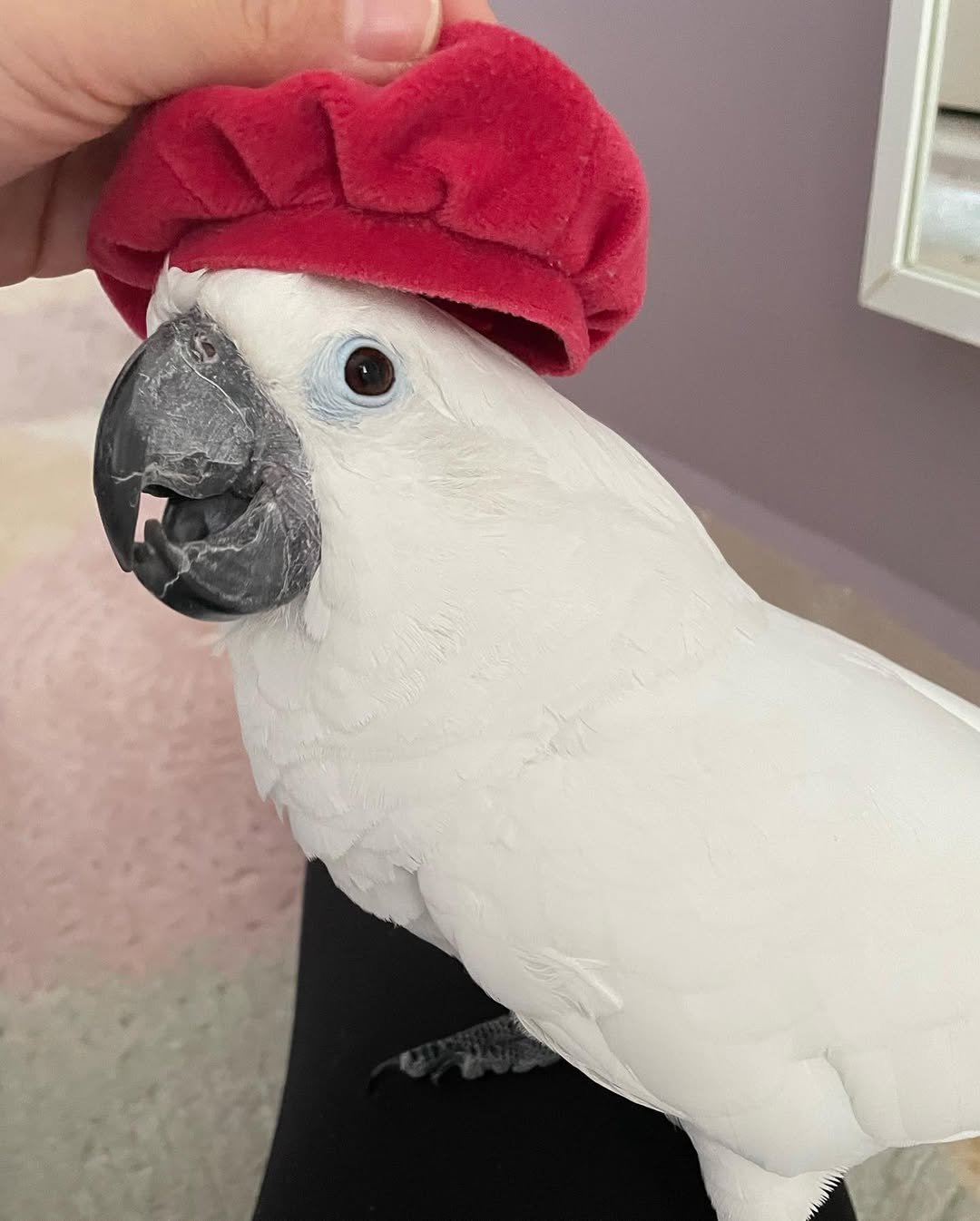
What documents should I request when purchasing a cockatoo parrot
What documents should I request when purchasing a cockatoo parrot? Start with a written sales invoice, proof of the bird’s lawful origin, identification details, and any wildlife permits or veterinary records required in your country. If the cockatoo will cross an international border, you may also need CITES documentation, export and import
authorizations, and an official animal-health certificate. The exact paperwork depends on the species, where the bird was bred, and where it will live. A responsible seller should explain what each document proves and allow you time to verify it before payment. Getting these details right helps you avoid disputes, transport delays, and problems with wildlife authorities after bringing your new companion home.
What documents should I request when purchasing a cockatoo parrot?
When buying a cockatoo, I would focus on documents that establish three things: who is selling the bird, whether the bird can legally be sold, and whether it can be transported to its destination. A collection of papers is not necessarily useful if the information does not match.
1. Sales invoice or purchase agreement
Ask for a written receipt showing the transaction date, purchase price, seller’s contact details, and the cockatoo’s species. Include the bird’s identification details where available. For an expensive purchase, a written agreement should also explain any health disclosures, delivery arrangements, and what happens if the transaction cannot legally proceed.
2. Proof of lawful origin
Ask how the bird was obtained. Depending on the circumstances, relevant evidence might include captive-breeding records, previous ownership documents, or official authorization for its acquisition. A seller’s verbal assurance is not enough when the species is subject to wildlife-trade restrictions.
3. Bird identification records
Request details of a closed leg band or microchip if the bird has one. Check that the number matches the supporting documents. Identification helps distinguish one bird from another, although a band or microchip alone does not establish legal ownership.
4. CITES certificates and wildlife permits
Some cockatoo species are subject to strict international trade controls under the Convention on International Trade in Endangered Species of Wild Fauna and Flora (CITES). Depending on the species and transaction, an appropriate permit or certificate may be required. Confirm the exact requirements with the relevant wildlife authority before buying or shipping the bird.
5. Veterinary records and health certificates
Ask for available veterinary examination records, vaccination or testing information where relevant, and details of any previous health concerns. If the bird is being transported internationally, check whether an official veterinary health certificate, laboratory testing, import authorization, or quarantine is required.
Veterinary records provided by a seller do not automatically replace government-issued certificates required for border entry.
Documents needed for transporting a cockatoo safely and legally
The paperwork needed for transport depends on whether you are collecting a bird locally or arranging an international shipment.
For a domestic purchase, check whether your area requires proof of ownership, a wildlife permit, or authorization to possess a protected species. For international travel, confirm the export requirements in the country of departure and the import requirements in the destination country. If the bird will pass through another country, transit rules may apply as well.
Before booking a flight or paying a shipping company, verify the following:
- Export permit: Required where the exporting country’s laws or applicable wildlife-trade rules demand it.
- Import permit: May be necessary before the bird can enter the destination country.
- CITES documentation: Depends on the species, listing, transaction, and applicable exemptions.
- Veterinary health certificate: Must meet the destination authority’s requirements, including any testing or timing conditions.
- Quarantine or inspection approval: May be required for certain routes and destinations.
- Airline acceptance and carrier requirements: Check the airline’s live-animal policy, approved travel enclosure, and booking procedure.
If you are buying a cockatoo from a breeder in Cameroon and sending it abroad, verify the current export procedure with the competent Cameroonian wildlife and veterinary authorities. Ask the buyer to confirm the destination country’s rules independently, too. Do not assume that a document issued for one country or species will be accepted for another.
A practical checklist for choosing a cockatoo breeder
Instead of choosing a seller based on price alone, look for someone who answers questions clearly and can show relevant documents before you commit. These are useful types of breeders and bird providers to investigate; they are not a ranking of verified individual businesses.

1. Specialist cockatoo breeders
Ask about the bird’s age, weaning status, temperament, diet, and breeding history. Request the sales agreement and evidence of lawful origin.

2. Licensed bird-breeding facilities
Where licensing is required, verify the facility’s authorization with the relevant authority. Check whether its permissions cover the particular species and transaction.

3. Breeders with access to avian veterinary care
Ask for available health records and advice on arranging an independent examination. Find out which tests are appropriate for the bird and its intended destination.

4. Reputable parrot rescues and rehoming organizations
An adult cockatoo may be a good option for an experienced keeper. Check the bird’s history, transfer agreement, and any restrictions on resale or ownership.

5. Experienced live-bird transport providers
Confirm that the provider handles parrots, understands the required paperwork, and can explain the route, handling arrangements, and contingency plans.
Warning signs when reviewing purchase documents
Be cautious if a seller refuses to identify the bird’s species, gives you documents with mismatched identification numbers, or insists that a leg band proves everything. Another concern is a transporter who promises delivery across borders without asking about permits or veterinary requirements.
Before paying a deposit, check that the seller’s name matches the sales documents, the bird’s identity is consistent across the records, and any required permits are valid for the proposed transaction. If something is unclear, ask the issuing authority rather than relying on a seller’s interpretation.
Galah Cockatoo Birds for sale Online
Searching for Galah Cockatoo Birds for sale Online can introduce you to breeders and bird sellers in different locations, but take time to check the bird’s background before making a purchase. Galah cockatoos, also known as rose-breasted cockatoos (Eolophus roseicapilla), are recognizable by their pink chest, grey wings, and lively personalities. They need daily interaction, enrichment, a suitable diet, and plenty of space to move around.
When contacting an online seller, ask for recent photographs, the bird’s age, its current diet, and whether it is fully weaned. Request a written invoice and proof of lawful origin. If the bird is being offered for international delivery, ask which export and import documents are available and verify the requirements with the relevant authorities.
Do not rely on photographs or promises of delivery alone. Arrange a video call or an in-person visit where practical, and confirm the seller’s identity before sending money. A trustworthy seller should answer reasonable questions without pressuring you to pay immediately.
Remember that Galah cockatoos may be subject to specific wildlife-trade and national ownership rules. Confirm that the bird can legally be sold and transported to your location before completing the transaction.
Conclusion
Knowing what documents to request when purchasing a cockatoo parrot makes the buying process clearer and helps protect you from avoidable legal and transport problems. Begin with a detailed sales invoice, evidence of lawful origin, identification records, and available veterinary information. Then check whether CITES documentation, wildlife permits, or official health certificates are necessary for your particular bird and destination.
The most important thing is to verify the documents before payment and transport, not after. A seller who is willing to explain the bird’s history and cooperate with legitimate checks gives you a much better starting point for responsible ownership.
Frequently Asked Question
Can I buy a cockatoo parrot if the seller does not have its original documents?
It depends on the species, your country’s laws, and the documents that are missing. Do not assume that a missing original document is harmless or that a replacement can always be issued. Ask the relevant wildlife authority whether the bird’s origin and ownership can be verified and what official replacement or authorization procedures apply. If its lawful origin cannot be established, postpone the purchase until the matter is resolved.