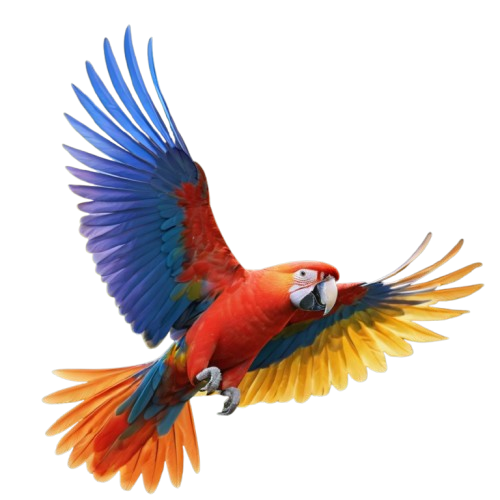
Do cockatoo parrots need special toys to prevent boredom
Do cockatoo parrots need special toys to prevent boredom? Yes, toys designed for chewing, foraging, climbing, and problem-solving can make a real difference to a cockatoo’s daily life. These intelligent parrots need more than a spacious cage and a full food bowl. Without enough stimulation, some become restless, excessively vocal, or begin damaging their feathers. The best approach is to offer a safe variety of toys, rotate them regularly, and combine play with daily interaction and opportunities to explore.
Why Do Cockatoo Parrots Need Special Toys?
Cockatoos are curious, social birds with strong beaks and a natural desire to investigate their surroundings. In the wild, they spend considerable time searching for food, manipulating objects, climbing, and interacting with other birds. A companion cockatoo may have food delivered in a bowl and spend much of the day in an enclosure, so its environment needs to offer other meaningful activities.
This is where appropriate toys become important. A bird that can shred a cardboard toy, work a treat out of a puzzle, or climb between sturdy perches has more opportunities to use its body and mind.
I would not judge a toy by how expensive or elaborate it looks. A simple, safely prepared foraging activity may keep a cockatoo engaged longer than a complicated toy it cannot figure out. Individual preferences vary, though. One bird might happily destroy soft wood, while another prefers pulling apart paper or investigating a puzzle.
Toys also help provide appropriate outlets for chewing. Cockatoos naturally explore objects with their beaks, and safe chewing materials can help keep them occupied. However, toys cannot replace companionship, exercise, proper nutrition, or veterinary care. They are one part of a complete daily routine.
Best Types of Toys for Cockatoo Parrots

1. Chewing and shredding toys
Look for bird-safe, untreated wood, suitable palm-leaf materials, and plain paper products designed for birds. These encourage natural beak activity and give destructive energy a safer outlet. Check that pieces cannot splinter into dangerous shards or become trapped around the beak.

2. Foraging toys
Hide a portion of your bird’s normal food in a suitable puzzle or paper cup so it has to investigate and work to retrieve it. Begin with easy activities, then gradually introduce more challenging ones. Make sure your cockatoo can still access enough food throughout the day.

3. Climbing and movement toys
Secure ladders, suitable swings, and sturdy climbing structures can encourage movement. Choose products appropriate for the bird’s size and inspect ropes for fraying, loops, or loose fibers that could catch toes or entangle a bird.

4. Manipulation and puzzle toys
Some cockatoos enjoy moving pieces, opening simple compartments, or handling bird-safe objects with their feet. Introduce these toys gradually and remove any with detachable parts that could be swallowed.
The important point is to match the toy to the individual bird. A toy that frustrates one cockatoo might be a favorite for another. Observe how your bird uses each item rather than assuming every product marketed for parrots will be suitable.
How Often Should You Change Cockatoo Toys?
You do not need to replace every toy each week. Instead, keep a few favorites available and rotate other items when your cockatoo starts ignoring them. A weekly rotation is a reasonable starting point, although some birds enjoy a toy for much longer and others lose interest after a day or two.
- Daily: Check the toys for damage and offer a small foraging activity.
- Every few days: Introduce a different safe activity or change how a familiar toy is presented.
- Weekly: Rotate selected toys, leaving familiar favorites in place.
- Whenever needed: Remove damaged toys immediately, regardless of the schedule.
Do not overwhelm a nervous cockatoo with a cage full of unfamiliar objects. Some birds are wary of new toys, even when those toys are perfectly safe. Put a new item near the cage first, then gradually introduce it if your bird remains comfortable.
Also, pay attention to what your cockatoo actually does. If it repeatedly shreds paper but ignores bells and plastic puzzles, offer more safe shredding opportunities rather than buying more of the toys it dislikes.
How to Choose Safe Toys for a Cockatoo
Cockatoos can destroy toys quickly, and that is not necessarily a problem. The concern is what happens when a toy breaks apart.
Before adding anything to the cage, check for:
- Toxic metals: Avoid lead, zinc-coated hardware, and components of uncertain composition.
- Loose strings and fibers: Frayed rope can wrap around toes or legs, while swallowed fibers may cause serious problems.
- Small detachable pieces: Anything that can be swallowed or lodged in the digestive tract is unsuitable.
- Dangerous gaps: Openings can trap a beak, head, foot, or toe.
- Fragile plastic and rubber: If your cockatoo can chew off and swallow pieces, remove the item.
- Sharp edges: Broken metal, cracked plastic, and splintered material can cause injuries.
Even products sold specifically for parrots need individual inspection. Supervise your cockatoo when introducing a new toy, and check it regularly afterward. If you are uncertain whether a material is safe, ask an avian veterinarian before using it.
Can You Make Cockatoo Toys at Home?
Yes, simple homemade enrichment can work well when the materials are safe. Plain, unprinted paper, suitable cardboard, and untreated wood from a confirmed bird-safe source may provide opportunities for shredding and exploration. You can also hide a small portion of your bird’s normal food in a paper parcel that it can easily open.
Avoid materials with glue, staples, tape, paint, chemical treatments, or unknown coatings. Do not assume that every branch or household object is safe simply because it is natural or readily available.
Homemade toys should be inspected just as carefully as purchased ones. If your cockatoo dismantles an item into pieces it might swallow, take it away and offer a safer alternative.
White Cockatoo Parrot for Sale: What to Consider Before Buying
If you are searching for a white cockatoo parrot for sale, think beyond the bird’s appearance and purchase price. White cockatoos, including umbrella cockatoos, are intelligent, social parrots that need daily interaction, suitable housing, and plenty of opportunities to chew, forage, and explore. Toys are not optional decorations; they are an important part of providing a stimulating environment.
Before choosing a bird, ask the breeder about its age, weaning history, diet, veterinary records, and behavior. Find out whether it has experience with enrichment toys and which materials it prefers. A bird that already enjoys shredding and foraging may settle more easily when familiar activities are available in its new home.
Prepare a secure cage, several suitable toys, sturdy perches, and a safe play area before bringing your cockatoo home. Introduce unfamiliar toys gradually, and inspect them often for damage.
Remember that a white cockatoo can live for decades with proper care. Choose a bird responsibly and make sure you can meet its social, physical, and veterinary needs throughout its life.
Conclusion
Do cockatoo parrots need special toys to prevent boredom? They benefit greatly from safe, varied enrichment that encourages chewing, foraging, movement, and problem-solving. The best toy collection is not necessarily the largest or most expensive. It is one suited to your bird’s preferences, introduced thoughtfully, and checked regularly for hazards. Combine toys with daily attention, training, exercise, and a predictable routine to help your cockatoo stay engaged and comfortable.
Frequently Asked Question
What are the best toys to keep a cockatoo from getting bored?

Chewable wood toys, shredding materials, foraging puzzles, and sturdy climbing toys are useful choices for many cockatoos. Start with simple activities and observe which ones your bird enjoys. Rotate selected toys regularly, supervise new items, and remove anything damaged or unsafe. If boredom-related behaviors such as feather plucking develop, consult an avian veterinarian to rule out medical causes and discuss an appropriate enrichment plan.