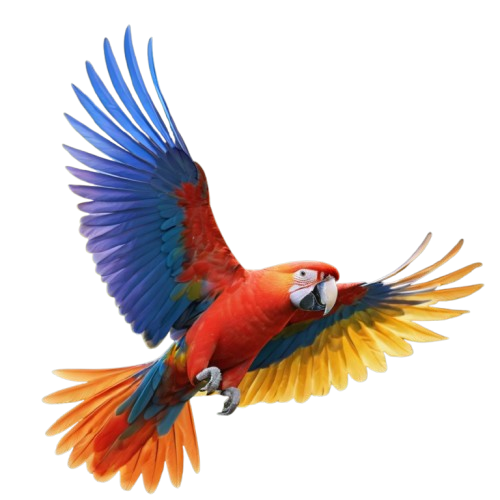
How can I tell if an Amazon parrot is healthy before purchasing one
How can I tell if an Amazon parrot is healthy before purchasing one? Start by observing the bird closely, asking the seller about its veterinary history, and checking its behavior, feathers, breathing, eyes, and droppings. A healthy-looking parrot should be alert, responsive, and reasonably active for its age, but appearance alone cannot rule out illness. Before committing to a purchase, arrange an examination with an avian veterinarian, verify any available health records, and make sure the seller can explain the bird’s diet, age, background, and legal documentation
How to Tell If an Amazon Parrot Is Healthy Before Buying
Buying an Amazon parrot is a long-term commitment, so take your time when assessing a bird. These parrots are intelligent, expressive animals, and their lively personalities can make it tempting to choose one quickly. I would pay just as much attention to the bird when it is sitting quietly as when it is interacting with people.
1. Check the Eyes, Beak, and Nostrils
A healthy-looking Amazon parrot should have clear, bright eyes without swelling, crust, or unusual discharge. The nostrils should be open and reasonably clean, and the bird should breathe quietly without persistent sneezing or mucus.
Look at the beak, too. Minor surface variations can be normal, but obvious swelling, unusual deformities, or damaged areas deserve veterinary attention. Avoid assuming that a beautiful green coat automatically means everything is fine.
2. Examine the Feathers and Skin
Amazon parrots generally have dense green plumage, often with distinctive yellow, red, or blue markings depending on the species. The feathers should look reasonably smooth and well maintained, without extensive bald patches, unexplained damage, or persistent staining around the face and vent.
A bird may have a few imperfect feathers from normal wear or molting. That alone is not necessarily a problem. However, widespread feather loss, repeated feather chewing, or dirty feathers around the eyes can indicate an underlying health or husbandry issue.
3. Observe Its Behavior Before Approaching
Give the parrot a few minutes to settle while you speak with the seller. Watch whether it follows movement with its eyes, maintains its balance, grips its perch, and responds to sounds around it.
An unfamiliar bird may be quiet or cautious, particularly in a new environment. That does not automatically mean it is sick. Persistent weakness, unusual sleepiness, sitting on the cage floor, or an inability to perch normally is more concerning.
4. Inspect the Droppings and Living Conditions
Ask to see the bird’s usual enclosure rather than judging it only during a sales meeting. Clean water, fresh food, suitable perches, and a reasonably clean cage are encouraging signs.
Amazon parrot droppings normally contain a fecal portion, white urates, and liquid urine. Their appearance changes with diet and hydration, so one unusual dropping is not enough to diagnose illness. Repeated watery droppings, blood, or substantial changes in color or consistency should be investigated.
These visible checks are useful, but they are not a substitute for a veterinary examination. Birds can conceal symptoms until an illness has progressed.
Merck Veterinary Manual
+2
Questions to Ask an Amazon Parrot Breeder Before Purchasing
A responsible seller should be willing to answer straightforward questions without rushing you into a decision. Ask how old the parrot is, what it currently eats, whether it was captive-bred, and whether it has previously received veterinary treatment.
Request any available medical records, diagnostic test results, hatch or birth records, and documents establishing legal origin. If the seller describes the bird as hand-reared, ask how it was raised and whether it is fully weaned. Never purchase a young parrot that still depends on hand-feeding unless you have appropriate professional guidance and experience.
I would also ask whether the bird has recently been exposed to other birds. This helps your veterinarian assess which screening tests and quarantine precautions may be appropriate.
Before paying, arrange a pre-purchase examination with an avian veterinarian. Depending on the bird’s history and the veterinarian’s findings, screening may include blood tests and testing for specific infectious diseases. Ask for the results in writing rather than relying on a verbal assurance that the parrot is healthy.
Warning Signs You Should Never Ignore

Fluffed feathers and unusual inactivity
A parrot that remains fluffed up, sleeps excessively, or seems weak despite having time to rest deserves closer attention.

Discharge around the eyes or nose
Persistent discharge, swelling, or repeated sneezing may indicate a health problem that needs examination.

Poor balance or abnormal breathing
Difficulty gripping a perch, pronounced tail movement with each breath, or open-mouth breathing at rest is concerning. Labored breathing warrants urgent veterinary attention.
Do not buy a bird simply because the seller promises that these symptoms will disappear after it settles into your home. Stress can affect behavior, but it should not be used to dismiss possible illness.
Top Amazon Parrot Breeder Options and Buying Guide
Finding a trustworthy breeder matters just as much as choosing a bird with good physical signs. Instead of relying on attractive photos, online reviews, or a low advertised price, compare sellers according to their transparency, bird care, and willingness to support you after the sale.
Here are five types of reputable sources worth investigating when looking for an Amazon parrot.
- Established specialist parrot breeders: Look for breeders who can explain their birds’ backgrounds, feeding routines, socialization, and veterinary care.
- Avian veterinary referrals: Ask an avian veterinarian whether they know established, responsible breeders in your area.
- Recognized bird clubs and aviculture associations: Local bird-keeping communities may help you identify experienced breeders and learn about their reputations.
- Responsible bird rescues and adoption organizations: An adoption organization may have adult Amazon parrots with known behavioral histories and established care routines.
- Licensed exotic-bird dealers: Where permitted, consider sellers who can demonstrate lawful sourcing, appropriate housing, and complete documentation.
These are categories of potential sources, not a verified ranking of individual breeders. Check references independently, arrange an in-person or live-video assessment where possible, and confirm applicable wildlife and import regulations before sending money.
Amazon Parrot Species to Consider
Blue-fronted Amazon
Recognizable by blue markings on the forehead and yellow facial markings. These parrots are often vocal and can develop impressive mimicry skills.

Yellow-naped Amazon
Known for its yellow nape and expressive vocal behavior. It requires consistent social interaction, training, and enrichment.

Double yellow-headed Amazon
Its bright yellow head becomes particularly striking in mature birds. Like other Amazons, it needs plenty of mental stimulation and careful behavioral management.

Orange-winged Amazon
A green Amazon with orange markings on the wings. Individual birds differ in confidence, vocalization, and how readily they accept handling.
Species identification matters because Amazon parrots differ in appearance, and individual birds have different needs and temperaments. Before selecting a species, consider noise levels, available space, daily interaction, and long-term veterinary expenses. Amazon parrots can live for decades with appropriate care.
Male Amazon Parrots for Sale: What Buyers Should Know
If you are searching for Male Amazon Parrots for sale, check the bird’s health and background before focusing on its sex. Male Amazon parrots can make engaging companions, but being male does not automatically make a bird friendlier, healthier, or easier to train. Temperament depends on the individual bird, its upbringing, socialization, and daily environment.
Ask the seller how the bird’s sex was established. Many Amazon parrot species look very similar regardless of sex, so appearance alone may not reliably identify a male. Request documented DNA sexing or another appropriate veterinary determination if confirmation matters to you.
Next, check the bird’s eyes, feathers, beak, feet, breathing, appetite, and droppings. Ask about its age, diet, veterinary history, and whether it has been weaned completely. Arrange an independent avian veterinary examination before finalizing the purchase.
It is also sensible to ask for proof of lawful origin and any required transport or ownership paperwork. If a seller refuses reasonable health checks, cannot explain the bird’s background, or pressures you to pay immediately, take a step back.
A healthy male Amazon parrot should be selected on the strength of its individual condition and compatibility with your home, not simply because an advertisement labels it male.
User’s Guide: Preparing for Your New Amazon Parrot
Before bringing your bird home, prepare a spacious, secure enclosure with suitable perches, safe toys, clean water, and an appropriate diet. A balanced formulated parrot diet, supplemented with suitable vegetables and other veterinarian-approved foods, is generally preferable to a seed-only diet.
Identify an avian veterinarian in advance. Arrange a new-bird examination promptly after purchase, even if the parrot appears healthy, and follow the veterinarian’s recommendations for testing and quarantine.
If you already keep birds, do not immediately place the newcomer in the same room or allow direct contact. Follow veterinary advice on isolation and disease screening to reduce the risk of introducing infection.
Finally, give the parrot time to adjust. Some birds begin exploring and vocalizing quickly, while others need a quieter introduction. Avoid forcing handling during the first few days. Watch its appetite, droppings, activity, and breathing, and seek veterinary help promptly if you notice concerning changes.
Conclusion
Learning how can I tell if an Amazon parrot is healthy before purchasing one starts with careful observation, honest questions, and independent veterinary advice. Clear eyes, clean feathers, normal breathing, steady movement, and alert behavior are encouraging signs, but none can guarantee that a bird is free of disease.
Choose a transparent seller, check the bird’s history and legal documentation, and arrange an avian veterinary examination before completing the purchase whenever possible. A little patience now can help you avoid preventable problems and give your new companion a much better start.
Frequently Asked Question
Can an Amazon parrot look healthy but still be sick?
Yes. Birds often conceal signs of illness, so a parrot may appear active and have attractive feathers while carrying an infection or developing another health problem. Visual checks are useful for spotting warning signs, but they cannot replace a veterinary examination. Ask an avian veterinarian about appropriate pre-purchase screening and arrange a health check even when the seller assures you that the bird is healthy.