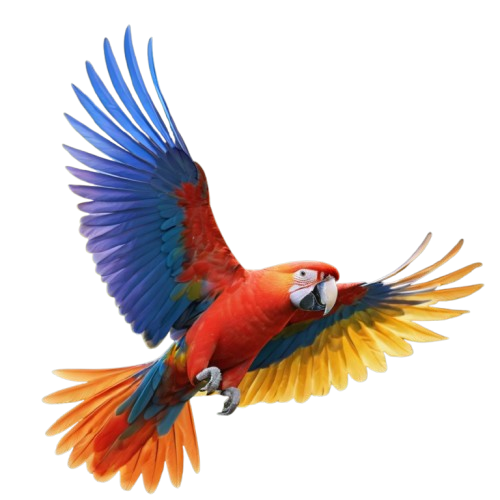
How long do Amazon parrots live in captivity
How long do Amazon parrots live in captivity? With proper nutrition, daily interaction, a safe environment, and regular veterinary care, Amazon parrots can live for 40 to 60 years, with some individuals reaching 70 years or more. Their lifespan depends on species, genetics, diet, exercise, and the quality of care they receive throughout life. For anyone considering an Amazon parrot, understanding its long-term needs is just as important as choosing a healthy bird. These intelligent, social parrots can become lifelong companions, but they require consistent attention and planning
How Long Do Amazon Parrots Live in Captivity Compared With Other Pet Birds?
Amazon parrots are among the longer-lived companion birds, but their expected lifespan is sometimes misunderstood. Veterinary references commonly describe their average lifespan as roughly 40–50 years, while other sources report ranges extending to 60 or 70 years. These figures are estimates, not promises, and records of exceptionally old birds should not be treated as the normal expectation.
What matters most is the individual bird. A healthy, well-cared-for Amazon may remain active and socially engaged for decades. Another bird of the same species might develop a medical condition much earlier.
When discussing how long Amazon parrots live in captivity, I encourage prospective owners to plan around a lifespan of several decades rather than hoping their bird will reach a particular age. That approach makes it easier to prepare for veterinary expenses, changes in housing, and the possibility that the parrot may need a new caregiver later in life.
Which Amazon Parrot Species Live the Longest?
There are several Amazon parrot species kept as companions, and lifespan estimates can differ between sources. Individual health, genetics, and living conditions also affect longevity.
- Blue-fronted Amazon: Often reported to live for several decades, with some sources giving estimates of 40–60 years or longer.
- Yellow-naped Amazon: A long-lived species that requires substantial social interaction, enrichment, and appropriate care.
- Double yellow-headed Amazon: Known for its vocal ability and strong personality. Owners should be prepared for a long-term commitment.
- Orange-winged Amazon: An intelligent, active parrot that benefits from a varied diet, exercise, and daily engagement.
- Red-lored Amazon: Another long-lived companion species whose health depends partly on suitable nutrition, housing, and preventive veterinary care.
These are general descriptions rather than a definitive lifespan ranking. Reliable, directly comparable lifespan data are not available for every species, so it is better to avoid assuming that one Amazon will always outlive another.
What Determines How Long Amazon Parrots Live in Captivity?
1. A balanced, species-appropriate diet
Diet is one of the first things I would examine when reviewing an Amazon parrot’s daily care. A bowl full of seeds and nuts might look generous, but it does not necessarily provide balanced nutrition.
A suitable diet commonly includes nutritionally complete formulated pellets alongside a variety of bird-safe vegetables and measured portions of fruit. Seeds and nuts can be useful in limited amounts, depending on the bird’s needs. The right balance should be discussed with an avian veterinarian, especially if the bird has an existing health concern.
Fresh drinking water should be available every day. Food bowls also need regular cleaning, and uneaten fresh food should not be left sitting in the enclosure for extended periods.
2. Exercise and mental stimulation
Amazon parrots are curious birds. They need more than a cage, a food bowl, and occasional attention from across the room.
Provide a spacious, secure enclosure, suitable perches, chewable toys, and supervised opportunities to climb, move, and explore. Foraging activities can encourage natural problem-solving behaviors. Rotate toys when interest begins to fade, although familiar toys can remain useful.
An Amazon that spends long periods without stimulation may develop unwanted behaviors, including excessive screaming or feather-damaging habits. These behaviors are not simply inconveniences; they can indicate that the bird’s environment or care needs closer attention.
3. Routine veterinary examinations
Birds often hide signs of illness, so waiting until an Amazon parrot looks seriously unwell is not a good healthcare strategy.
Arrange regular examinations with an avian veterinarian and seek advice promptly if you notice changes in appetite, droppings, breathing, weight, balance, or activity. A bird that becomes unusually quiet or stops eating should not automatically be assumed to be tired or having a bad day.
Veterinary care cannot guarantee a particular lifespan, of course. It can, however, help identify health problems and guide decisions about nutrition, weight management, and age-related changes.
4. A safe and stable home
Household hazards deserve attention, especially because parrots explore with their beaks. Avoid exposing an Amazon to smoke, aerosol sprays, overheated nonstick cookware fumes, toxic plants, open flames, or unsecured windows and doors.
Give the bird a predictable sleep routine, a comfortable resting area, and consistent opportunities for interaction. Many parrots benefit from approximately 10–12 hours of quiet, uninterrupted sleep, with the precise routine adjusted to the individual bird and household.
A stable home also means avoiding unnecessary changes in caregivers. Amazon parrots can adapt to new surroundings, but repeated rehoming may be stressful. If a move becomes unavoidable, allow time for adjustment and maintain familiar routines wherever possible.
How to Recognize Aging in an Amazon Parrot
As an Amazon parrot grows older, its needs may change gradually. You might notice that it rests more often, takes longer to climb, or becomes less enthusiastic about certain activities. Some birds remain remarkably energetic well into old age, so appearance and behavior alone cannot establish an exact age.
Older Amazon parrots may need more frequent health assessments, easier access to food and water, and perches arranged to reduce the risk of falls. Changes in vision, mobility, weight, or appetite deserve veterinary attention rather than being dismissed as normal aging.
One point worth remembering: a young-looking bird is not necessarily healthy, and a quieter bird is not necessarily old. Sudden behavioral changes can be signs of illness at any age.
If you know your parrot’s hatch date, keep its records in a safe place. If its age is uncertain, an avian veterinarian can assess its overall condition, although determining an adult parrot’s precise age may not be possible.
Top 5 Ways to Find a Responsible Amazon Parrot Breeder
Choosing the right source matters almost as much as preparing the right home. Rather than relying on a seller’s promises or attractive photographs, look for evidence that the birds are being raised and kept responsibly.

1. A breeder who provides clear health records
Look for documented hatch dates where available, veterinary records, feeding information, and details about the bird’s current health. Ask which avian veterinarian is available if concerns arise after purchase.

2. A breeder with appropriate housing
The birds should have clean water, suitable food, safe perches, room to move, and opportunities for enrichment. Cleanliness and the general condition of the flock tell you more than a polished sales page.

3. A seller who explains the bird’s development
Ask whether the parrot is fully weaned and eating independently. A responsible seller should explain its feeding routine, temperament, socialization, and any special care requirements. Avoid taking home an unweaned chick without appropriate professional support.

4. A source that welcomes questions
Good sellers do not rush every conversation toward payment. They should be willing to discuss noise, biting, hormonal behavior, dietary needs, and the long-term costs of keeping an Amazon parrot.

5. A seller who documents lawful origin
Ask for applicable ownership, breeding, identification, and transport documents. Amazon parrots are covered by international wildlife-trade controls to varying degrees depending on the species and circumstances, so verify the requirements that apply to your location and the bird’s origin.
These are five practical categories to use when comparing breeders, not a verified ranking of individual businesses. Since no country or city was specified, it would be misleading to invent a list of named breeders and describe them as the best.
Buying an Amazon Parrot: What Should You Prepare For?
Before bringing an Amazon parrot home, calculate the likely cost of its enclosure, a balanced diet, toys, routine veterinary visits, and unexpected medical care. The purchase price is only one part of the expense. A parrot that lives for decades will need ongoing support, including when your work schedule, finances, or living arrangements change.
Consider your household, too. Amazon parrots can be loud, particularly during their natural calling periods. They may form strong bonds with particular people, and their behavior can change as they mature. They are rewarding companions, but they are not always easy pets.
Baby Amazon Parrots for Sale: What Should Buyers Know?
If you are researching Baby Amazon Parrots for sale, look beyond the bird’s age, color, or ability to mimic sounds. A healthy young parrot should be alert, appropriately feathered for its developmental stage, and progressing well with feeding and socialization. Ask for its hatch date, health records, current diet, and confirmation that it is fully weaned and eating independently before you commit.
A good seller should also explain how the bird has been handled, how it responds to ordinary household activity, and what support is available after the sale. Young parrots can be appealing because you have more time to build a relationship, but they still require patience, training, and consistent boundaries.
Remember that a baby Amazon parrot can grow into a companion lasting several decades. Make sure you have suitable housing, access to an avian veterinarian, and a realistic plan for daily interaction. Verify the bird’s legal origin and any permits required for ownership or transport. Choose a healthy, lawfully sourced bird from a transparent seller rather than making a rushed decision based on availability alone.
Conclusion: How Long Do Amazon Parrots Live in Captivity?
So, how long do Amazon parrots live in captivity? A reasonable general expectation is several decades, with many sources placing their lifespan around 40–50 years and some reporting longer lives.
Their longevity depends on more than genetics. Balanced nutrition, exercise, mental stimulation, a safe home, and appropriate veterinary care all matter. Just as importantly, an owner needs to consider what will happen if the bird outlives their current circumstances.
If you are thinking about welcoming an Amazon parrot into your home, take your time choosing a healthy bird and a responsible seller. A little preparation now can make a considerable difference to the quality of life your companion enjoys in the years ahead.
Frequently Asked Questions
How long do Amazon parrots live in captivity with proper care?
Amazon parrots commonly have a reported lifespan of approximately 40–50 years, although some may live longer. Their individual longevity depends on species, genetics, nutrition, living conditions, and veterinary care. Good husbandry supports health and well-being, but it cannot guarantee that a bird will reach a particular age. Prospective owners should prepare for a commitment lasting several decades.