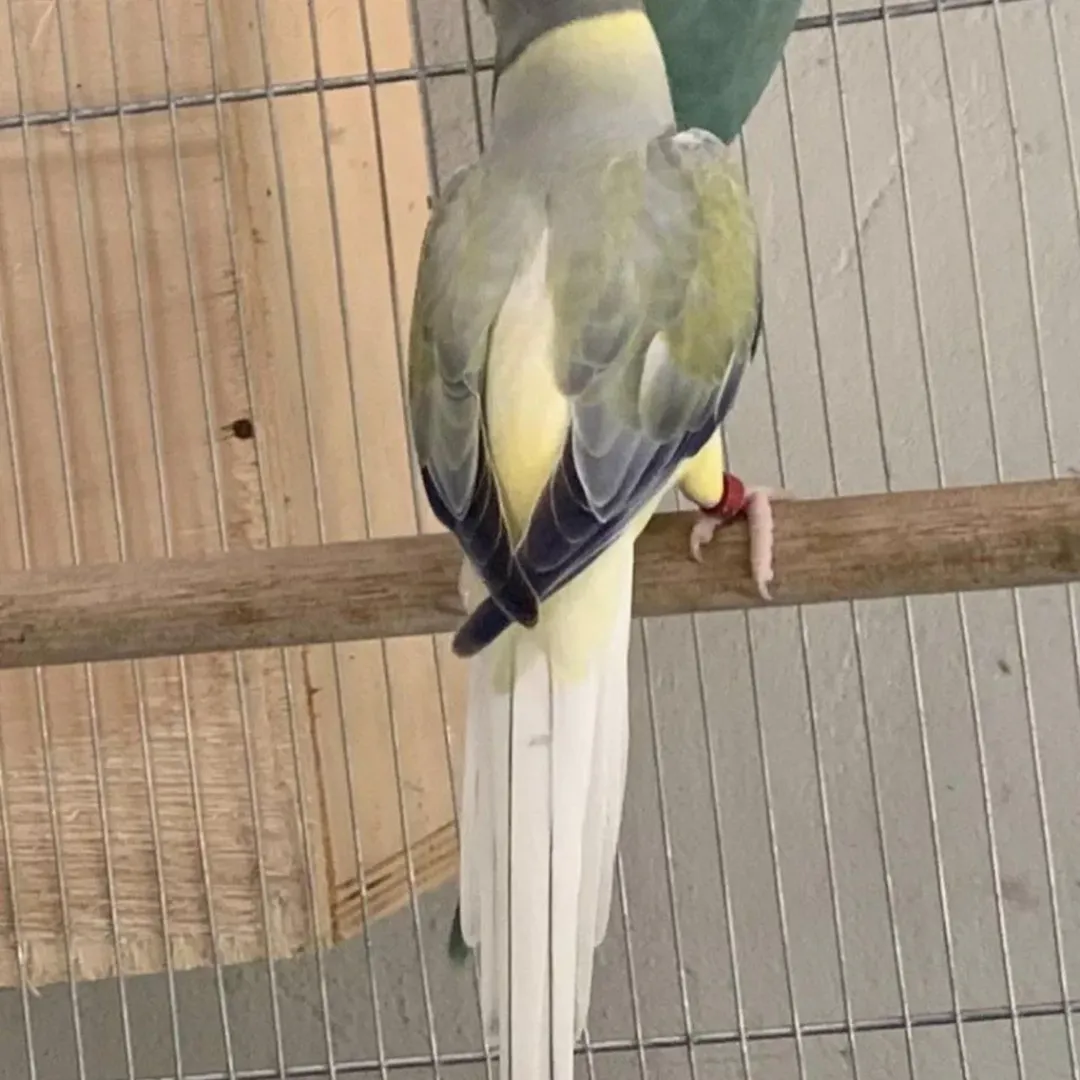
Do ringneck parakeets bite
Do ringneck parakeets bite? Yes, ringneck parakeets can bite, even when they are tame or familiar with their owners. Biting is usually a response to fear, overstimulation, territorial behavior, or an attempt to communicate discomfort rather than a sign that a bird is naturally aggressive. Understanding body language, building trust gradually, and avoiding forced handling can reduce the chances of being bitten. If you are thinking of bringing one home, learning why ringnecks bite will help you choose a suitable bird and build a safer, more rewarding relationship with it.
Do Ringneck Parakeets Bite Their Owners?
Yes, and sometimes the bite comes when an owner least expects it. A ringneck may step onto your hand one moment and try to nip the next. This does not necessarily mean the bird has lost its trust in you.
Indian ringneck parakeets are intelligent and independent. They use their beaks to explore objects, climb, handle food, and communicate. A gentle beak touch is not always an aggressive bite, but a forceful nip can hurt, especially when the bird has a strong grip.
One common mistake is assuming that a bird should accept handling simply because it has lived in the home for several weeks. Trust develops at different speeds. Some ringnecks approach people readily, while others need considerably more time before they feel comfortable stepping onto a hand.
Pay attention to what happens immediately before a bite. Does the bird pull away when you reach into its cage? Does it become defensive around a favorite perch? Is it comfortable taking treats but nervous about being touched? These details can help you identify the trigger.
Rather than trying to stop every bite through physical correction, focus on making the interaction feel safe enough that the bird has less reason to bite in the first place.
Why Do Ringneck Parakeets Bite? Common Causes to Understand
A bite usually makes more sense when you look at what happened just before it. Ringnecks do not all react in the same way, but a few common situations can explain this behavior.
Fear and lack of trust
A hand reaching quickly into a cage may look threatening to a nervous bird. If your ringneck backs away, do not follow it around the cage trying to make it step up. Give it room, speak gently, and offer a treat without demanding contact.
Cage territorial behavior
Some ringnecks become defensive when a person reaches toward their favorite perch, food bowl, or resting place. Try inviting the bird onto a handheld perch rather than reaching directly toward it. Reward calm behavior and keep your movements predictable.
Hormonal changes and maturity
A young ringneck may become more independent as it matures. Some owners call this the bluffing stage, although the term is informal and does not explain every biting problem. Hormonal behavior can also make some adult birds more territorial. Patience and consistent, positive interactions are preferable to punishment.
Overstimulation
A bird that has enjoyed attention for several minutes may suddenly want space. Watch for a tense posture, leaning away, lunging, an open beak, or agitated movements. Eye pinning, when the pupils rapidly change size, can indicate heightened excitement, but it must be interpreted alongside other body signals.
How to Stop a Ringneck Parakeet From Biting
You cannot guarantee that a parrot will never bite, but you can teach it that calm interactions are rewarding.
- Respect its warning signals. Stop reaching toward the bird when it leans away or lunges.
- Build trust gradually. Start by offering a favorite treat at a comfortable distance.
- Reward cooperation. Praise calm behavior and reward voluntary approaches or stepping onto a perch.
- Keep training sessions short. Finish while the bird is still comfortable rather than pushing it until it becomes defensive.
- Avoid punishment. Shouting, hitting the beak, chasing, or forcibly grabbing a bird can make hands seem more threatening.
- Investigate sudden changes. If a previously gentle bird begins biting unexpectedly, arrange an avian veterinary assessment to check for pain or illness.
These steps take patience. Progress may be uneven, especially with a bird that has had frightening experiences with people. A wooden training perch can also help you work safely while the bird learns to trust your hands.
Male Parakeets for Sale: What Should You Look For?
If you are researching Male parakeets for sale, temperament and health deserve just as much attention as color or age. A male Indian ringneck can become a wonderful companion, but being male does not guarantee that the bird will be tame, affectionate, or less likely to bite. Individual personality, early experiences, and the way the bird is handled all matter.
Before buying, ask the breeder whether the bird is fully weaned, eating independently, and accustomed to normal household activity. Find out what it currently eats and whether it has received a veterinary examination. If the seller claims the bird is male, ask how its sex was determined. The visible neck ring develops in mature males, but young birds may not have clear external signs, so DNA testing can be useful when certainty matters.
Arrange to see the actual bird whenever possible. Watch how it moves, perches, breathes, and responds to its surroundings. A bird that does not want to be handled is not necessarily unhealthy, and a bird that sits quietly in someone’s hand is not automatically healthy either.
Compare sellers carefully, ask about health records and after-sale support, and confirm any relevant legal requirements before purchasing. A responsible seller should be willing to answer reasonable questions without pressuring you into a quick decision.
Conclusion: Do Ringneck Parakeets Bite?
Yes, ringneck parakeets can bite, but biting does not automatically mean that a bird is aggressive or unsuitable as a pet. Fear, territorial behavior, overstimulation, hormonal changes, and discomfort can all contribute.
The best approach is to learn your bird’s warning signals, give it choices, and build trust through calm, reward-based training. If biting begins suddenly or becomes persistent, investigate possible health problems instead of treating the behavior as disobedience.
A ringneck that feels safe has a better opportunity to develop a trusting relationship with its owner. That relationship takes time, and respecting the bird’s boundaries is part of getting there.
Frequently Asked Question
Are ringneck parakeet bites painful?

Yes. An adult ringneck has a strong, curved beak that can cause painful pinches, bruising, or broken skin. If a bite breaks the skin, wash the wound thoroughly with soap and running water and seek medical advice if it is deep, becomes red or swollen, or shows signs of infection. Preventing bites through careful handling and understanding body language is safer than trying to tolerate them as part of training.