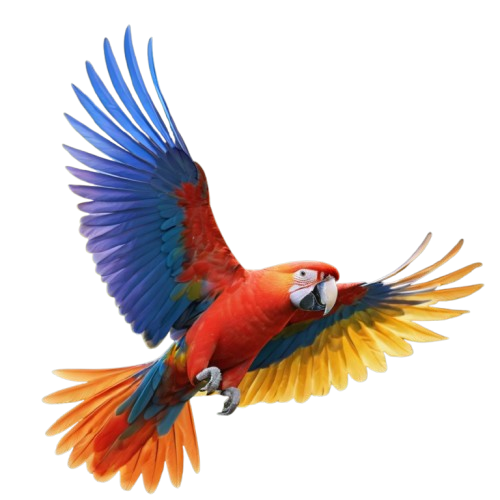
Are Indian ringneck parakeets good for beginners
Are Indian ringneck parakeets good for beginners? Yes, Indian ringnecks can make rewarding pets for first-time bird owners who are prepared to learn about parrot behaviour, provide daily interaction, and respect a bird that may not always want handling. These intelligent, active parrots need more attention and patience than many people expect, particularly during training and adolescence. Before choosing one, it helps to understand their temperament, noise levels, housing needs, and the responsibilities involved in keeping a parrot for many years.
Are Indian Ringneck Parakeets Good Pets for First-Time Owners?
Indian ringnecks are beautiful, curious birds with strong personalities. Their intelligence is part of their appeal, but it also means they need something to do. A bird left alone in a cage for most of the day, with little stimulation, may become bored, vocal, or difficult to engage with.
For a beginner who enjoys learning about animals, a ringneck can be a wonderful companion. You can teach simple behaviours, offer foraging activities, and gradually build trust through predictable, positive interactions. It is satisfying to see a cautious bird become comfortable enough to approach you voluntarily.
However, I would not recommend choosing one simply because it looks friendly in a seller’s photographs. Parrots can behave differently in a new environment, and even a hand-raised bird may need time to settle into an unfamiliar home.
Indian ringnecks are also not naturally cuddly in the same way some people imagine a pet bird should be. One may enjoy sitting near its owner without wanting to be touched. Another may willingly step onto a hand but dislike being stroked. Learning to respect those differences is an important part of responsible ownership.
For beginners willing to be consistent, observant, and patient, these birds can be a good choice. For someone wanting a quiet, low-maintenance pet that needs very little daily attention, another species may be a better fit.
What Beginners Should Know About Indian Ringneck Temperament
An Indian ringneck’s personality can change as it matures. A young bird that eagerly steps onto your hand may later become more independent, cautious, or nippy. This can be unsettling for a first-time owner, particularly if the bird seemed completely comfortable at first.
Some keepers describe a challenging adolescent period as “bluffing.” The term is commonly used in parrot communities, but it should not be treated as a formal diagnosis or an explanation for every bite. Fear, overstimulation, hormonal behaviour, and discomfort can also cause a bird to nip.
The best response is to stay calm and observe what happens before the behaviour. Does the bird move away when you reach toward it? Does it become defensive near its cage? Is it showing signs that it wants space? These details can tell you more than simply labelling the bird aggressive.
Never punish a ringneck by hitting it, shouting at it, or forcibly grabbing it. Instead, use gradual, reward-based training and let the bird approach when it feels comfortable. If biting begins suddenly or is accompanied by other changes in behaviour, consult an avian veterinarian to rule out illness or pain.
This is one reason beginners should choose a bird carefully and learn basic parrot body language before bringing it home. A little preparation makes difficult moments easier to manage.
Housing and Daily Care for a Beginner’s Indian Ringneck


8
A suitable home is not just a cage with food and water. Indian ringnecks are active birds that need room to move, climb, stretch their wings, and explore. Choose a sturdy enclosure that allows the bird to move freely without its long tail constantly touching the bars. Bigger is generally better, provided the bar spacing is safe.
Daily care should include:
- Balanced nutrition: Use a suitable formulated parrot pellet as a dietary foundation, alongside a variety of bird-safe vegetables and appropriate portions of fruit. Seeds and nuts are better used in controlled amounts than as the entire diet.
- Fresh water: Replace drinking water daily and clean the bowl regularly.
- Exercise: Provide supervised time outside the enclosure in a bird-proofed space. Secure windows and doors, switch off ceiling fans, and remove access to dangerous household items.
- Mental stimulation: Offer chewable toys, foraging opportunities, safe climbing structures, and activities that encourage natural behaviours.
- Sleep: Maintain a predictable, quiet nighttime routine with sufficient uninterrupted darkness.
- Veterinary care: Find an avian veterinarian before an emergency occurs and arrange appropriate health checks.
Household safety deserves particular attention. Smoke, aerosols, and fumes from overheated non-stick cookware can be dangerous to birds. A kitchen is generally not an appropriate place for a parrot’s main enclosure.
Daily care also involves cleaning, preparing food, and spending time observing the bird. These tasks are manageable when they become part of your routine, but they should not be underestimated.
Are Indian Ringneck Parakeets Noisy or Difficult to Train?
Indian ringnecks are vocal birds. They may whistle, chatter, call to people in another room, or produce a sharp contact call when they want a response. Some are particularly vocal in the morning and evening.
This matters if you live in an apartment, share walls with neighbours, or work from home in a quiet environment. A bird does not need to call constantly to create a noise problem; a few loud calls can be enough to disturb someone nearby.
Training can be rewarding, though. Ringnecks are intelligent and may learn to step onto a hand, respond to a target, return to a perch, or imitate words. Start with short sessions and reward the behaviour you want to encourage.
Avoid expecting instant results. A bird that is frightened of hands may first need to become comfortable taking a treat from a nearby perch. That small step is progress, even if it doesn’t look impressive to anyone watching.
And remember, a bird that learns to talk is not automatically tame. Speech, trust, and willingness to be handled are different things.
PangoVet
+1
Indian Ringneck Parakeet for Sale: How Beginners Can Choose Wisely
If you are ready to bring a bird home, searching for an indian ringneck parakeet for sale can be a useful starting point for comparing available birds. Before making a purchase, however, look beyond colour, price, and promises about talking ability.
A responsible seller should be willing to explain the bird’s age, feeding routine, health history, temperament, and whether it is fully weaned. Ask to see the actual bird through a live video call or visit in person when possible. If health screening or veterinary examinations have been performed, request the relevant records.
For a beginner, a bird that is comfortable around people and has been appropriately socialized may be easier to settle in, although no seller can guarantee that it will remain tame in every environment. Ask what the bird currently eats and obtain clear instructions for maintaining a familiar diet during its first days at home.
Be cautious if a seller offers an unusually low price, refuses to answer questions, or pressures you to pay immediately. Never buy an unweaned chick simply because someone claims hand-feeding will make it more affectionate. Improper hand-feeding can cause serious injury or death, and young birds should not be weaned prematurely.
Before paying, prepare the enclosure, locate an avian veterinarian, and check the applicable local rules for bird ownership and transport. A little planning now can prevent considerable difficulty later.
A Beginner’s Guide to Finding a Reputable Ringneck Breeder
Finding the right breeder takes a little research. Rather than relying on an unverified “top breeders” ranking, use these five options to identify potential sources and assess their suitability.
- Established specialist parrot breeders — Look for breeders who can explain their birds’ backgrounds, feeding routines, socialization, and health records.
- Avian veterinary referrals — Ask a bird veterinarian whether they know reputable breeders in your area.
- Recognized bird clubs and aviculture associations — Seek recommendations from members who prioritize responsible breeding and bird welfare.
- Parrot rescues and adoption organizations — Consider an established rescue if you are open to adopting a bird whose history may be partly known.
- Responsible local bird keepers — Experienced owners may be able to recommend trustworthy sources, but verify each recommendation independently.
Before choosing a breeder, check the bird’s living conditions, ask questions without feeling rushed, and make sure you understand the ongoing cost of ownership. If you are buying internationally, confirm the relevant import, export, and transport requirements before arranging payment.
The best breeder is not necessarily the one with the largest selection or the lowest prices. Look for someone who puts the bird’s welfare first and helps you understand what responsible ownership involves.
Conclusion
So, are Indian ringneck parakeets good for beginners? They can be, provided you are ready for an intelligent, vocal, independent bird that needs daily care and patient training. They are not the ideal choice for someone seeking a quiet pet that requires little interaction.
Before bringing one home, consider your available time, living space, budget, and willingness to adapt as the bird matures. Choose a healthy, fully weaned bird from a responsible source, prepare its environment in advance, and allow trust to develop naturally.
A successful relationship with an Indian ringneck is not measured by how quickly it learns to talk or how often it sits on your hand. What matters is creating a safe home where it can remain healthy, active, and comfortable around you.
Frequently Asked Question
Are Indian ringneck parakeets easy to tame for beginners?

Indian ringnecks can be tamed, but the process takes patience and consistency. Begin with calm interaction, offer suitable treats, and reward voluntary approaches rather than forcing contact. Some birds become comfortable stepping onto a hand, while others remain more independent. Their temperament, previous experiences, and the way they are handled all influence progress.