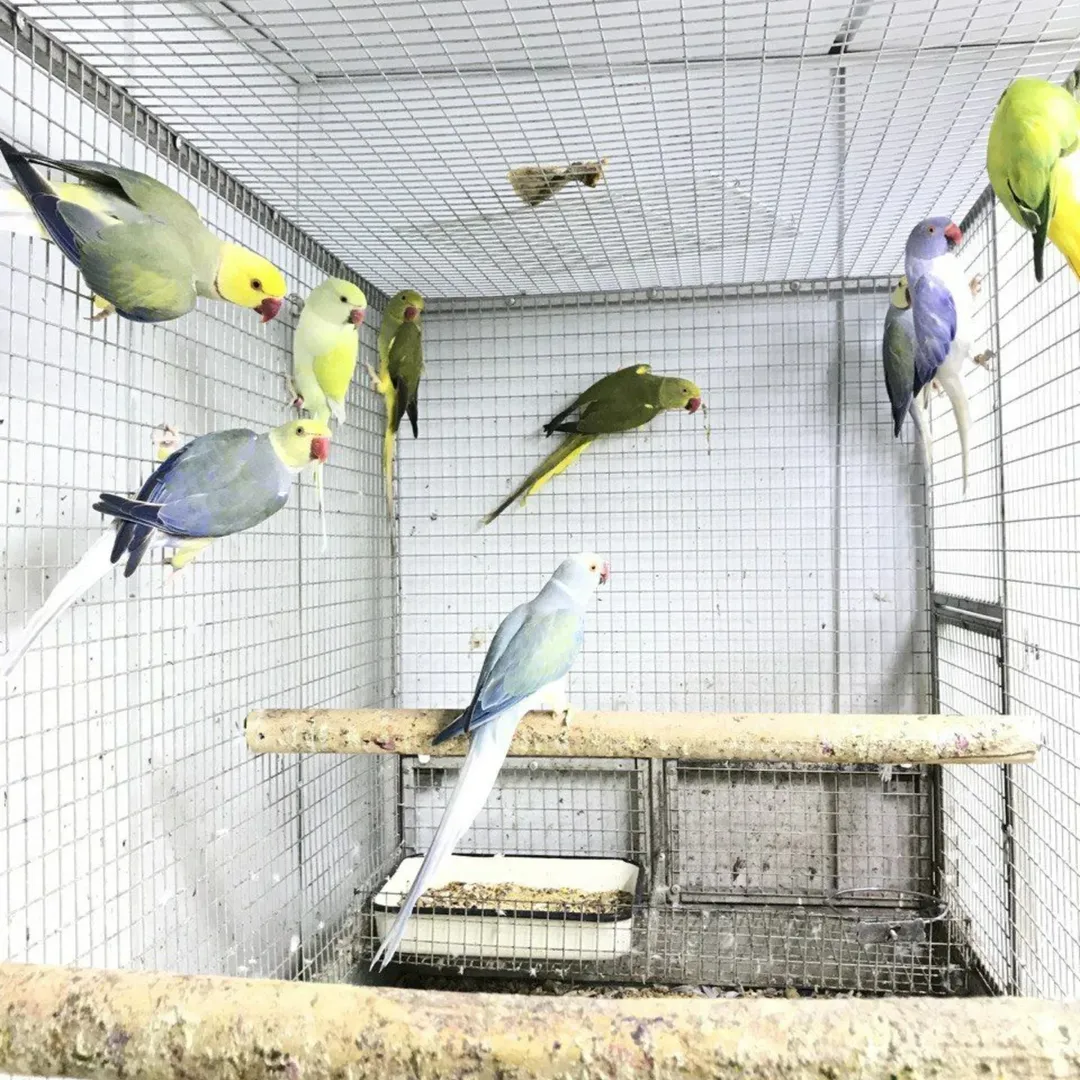
How long do ringneck parakeets live
How long do ringneck parakeets live? Indian ringneck parakeets can live around 20–30 years in captivity, and some may live longer with excellent care. Their lifespan depends on factors such as genetics, nutrition, exercise, living conditions, and access to avian veterinary care. If you are thinking about bringing one home, remember that this colourful, intelligent parrot is a long-term companion, not a short-term pet. Understanding what helps a ringneck live a healthy life can help you prepare for the years ahead.
How Long Do Ringneck Parakeets Live as Pets?
Ringneck parakeets are often described as long-lived companion birds. For an Indian ringneck kept in a suitable home, a lifespan of roughly two to three decades is a reasonable expectation, although this is not a guarantee for any individual bird.
That range can be surprising to someone buying their first parrot. A ringneck purchased while you are young may still be part of your household many years later, through changes in work, housing, and family life. It is worth thinking about that commitment before choosing a bird.
Some ringnecks remain active and curious well into old age. Others develop health problems earlier, even when their owners make a genuine effort to care for them. Genetics, early-life conditions, diet, environmental safety, and veterinary support all play a role.
It is also important to distinguish between a bird’s potential lifespan and the age it is likely to reach in a particular home. General lifespan estimates cannot predict an individual bird’s future. Good care improves the opportunity for a long, healthy life, but it cannot prevent every illness or accident.
When discussing a ringneck’s age with a breeder, ask whether the bird’s hatch date is documented. Knowing its age can help you plan appropriate care and understand its stage of development.
The Main Factors That Affect a Ringneck Parakeet’s Lifespan
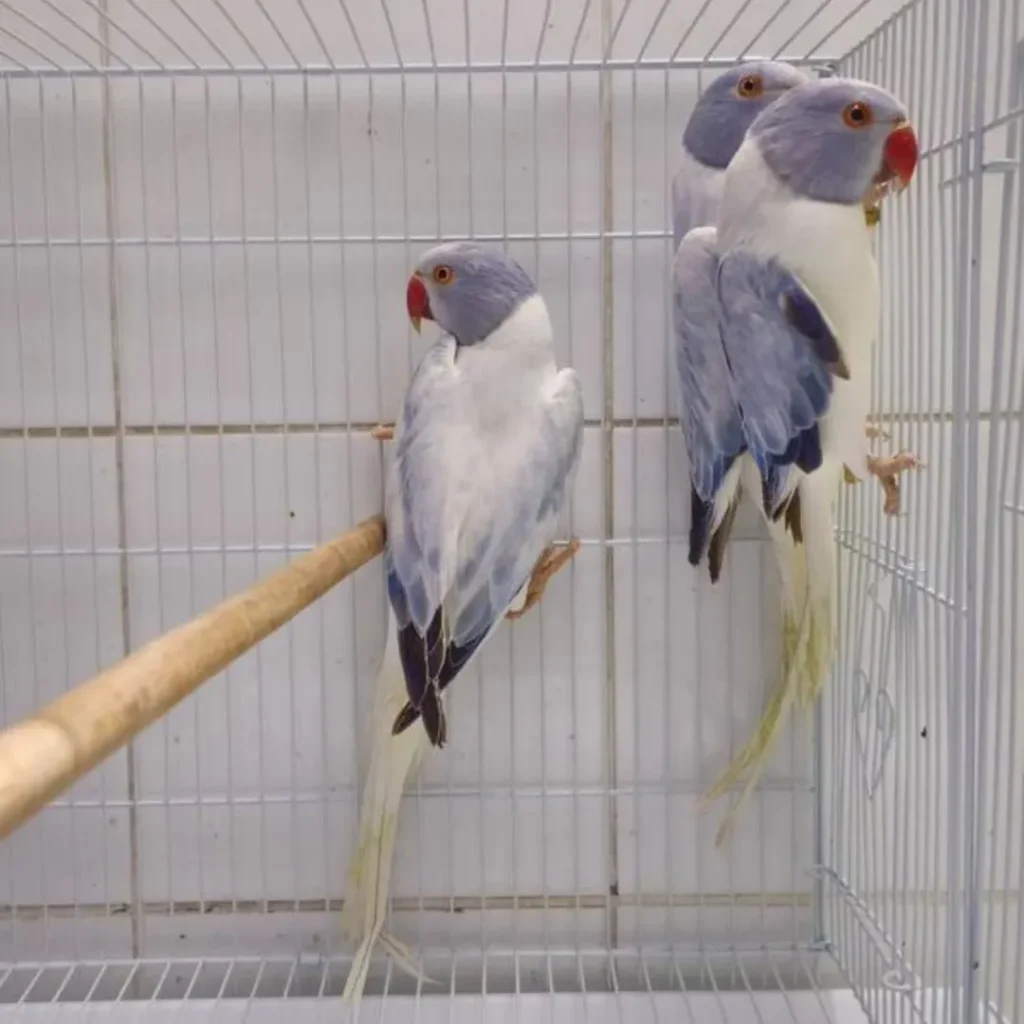
A long lifespan is rarely the result of one special food or expensive accessory. It usually comes down to a combination of sensible daily care, a safe environment, and attention to small changes in health.
1. Nutrition and healthy body weight
A diet based mainly on seeds may look traditional, but it can lack important nutrients and contain too much fat. A suitable formulated parrot diet, complemented by bird-safe vegetables and appropriate fruit, is generally a better foundation. Dietary changes should be introduced gradually, and a veterinarian can help tailor the diet to your bird.
2. Exercise and mental stimulation
Ringnecks are active parrots. They benefit from climbing, chewing, foraging, and supervised movement outside the cage in a safe room. Without enough activity, a bird may gain excess weight or develop behavioural problems associated with boredom.
3. Clean housing and good air quality
Clean food and water bowls, regularly maintained perches, and a well-kept enclosure help support health. Equally important is avoiding smoke, aerosols, strong chemical fumes, and fumes from overheated non-stick cookware. Birds have sensitive respiratory systems, so household air quality deserves serious attention.
4. Veterinary examinations
Parrots can conceal signs of illness, which means a bird may appear relatively normal even when something is wrong. Regular examinations with an avian veterinarian can help establish a health baseline and identify concerns before they become more serious.
Watch for changes in appetite, droppings, breathing, weight, activity, or balance. Laboured breathing, pronounced weakness, or suddenly sitting on the cage floor warrants urgent veterinary attention.
5. Genetics and early care
A bird’s inherited characteristics and early development also influence its health. Choosing a responsible breeder who maintains good welfare standards and provides honest information about the bird’s history is an important first step. Even then, good breeding cannot guarantee a particular lifespan.
PetMD’s overview of bird longevity also highlights nutrition, housing, and exposure to airborne toxins as important factors in a companion bird’s health.
How to Care for an Older Ringneck Parakeet
As a ringneck grows older, its needs may change gradually. You might notice that it rests more often, climbs less confidently, or takes longer to move between perches. These changes should not automatically be dismissed as normal ageing, though; pain and illness can cause similar signs.
Make its environment easy to navigate. Provide stable perches at different heights, ensure food and water are accessible, and avoid unnecessary changes to familiar surroundings. If climbing becomes difficult, discuss suitable adjustments with an avian veterinarian.
Older birds may also need dietary changes or closer monitoring of their body weight. Do not add supplements or restrict food without professional advice, as the right approach depends on the bird’s condition.
Keep offering enrichment, but adapt activities to the bird’s abilities. A simple foraging task or a familiar interaction may be more enjoyable than a challenging new toy. The goal is to preserve comfort, movement, and interest in daily life.
Planning for later life is part of responsible ownership. A ringneck may spend many years with you, and providing good care means adapting as its needs change.
Choosing a Ringneck Parakeet That Has the Best Chance of a Healthy Life
When comparing birds, it is tempting to focus on colour mutations, talking ability, or how quickly a young parakeet steps onto a hand. Those details may matter to you, but they tell you relatively little about its future lifespan.
Instead, ask the seller about the bird’s hatch date, current diet, weaning status, health history, and living conditions. If possible, observe the bird in its usual environment. Look for alertness, comfortable movement, clean feathers, and normal breathing. A visual check cannot confirm that a bird is healthy, so arrange an examination with an avian veterinarian.
Be cautious about anyone promising that a particular ringneck will live for 30 years or more. Lifespan estimates are useful for planning, not guarantees. A seller who is honest about uncertainty is generally more helpful than one who makes impressive promises.
Before bringing the bird home, prepare its enclosure and find a veterinarian who treats parrots. Ask about safe transport, quarantine if you already keep birds, and how to maintain the bird’s existing diet while it settles in.
A practical checklist for prospective owners
- Confirm the bird’s age and available health records.
- Prepare an appropriately sized, secure enclosure.
- Purchase suitable food and safe enrichment items.
- Remove household hazards, especially toxic fumes and unsafe plants.
- Identify an avian veterinarian and budget for ongoing care.
- Make a realistic plan for caring for the bird during holidays, moves, and other life changes.
Lineolated Parakeets for Sale: What Should Prospective Owners Know?
Although lineolated parakeets are a different species from Indian ringnecks, they may interest people researching companion birds. If you are exploring lineolated parakeets for sale, it is worth understanding their needs before comparing breeders or available colours.
Lineolated parakeets, also called barred parakeets or linnies, are smaller parrots native to Central and South America. They generally have a quieter vocal style than many larger parrots and enjoy climbing, exploring, and interacting with familiar companions. Their typical lifespan is around 10–15 years in captivity, with some living longer under excellent care.
When choosing a lineolated parakeet, ask whether the bird is fully weaned, what food it currently eats, and whether its health history is documented. Look for a responsible breeder who maintains clean housing and allows you to ask questions without pressure. Avoid sellers who guarantee perfect health or demand immediate payment before verifying the bird.
Prepare a suitable enclosure with secure bar spacing, climbing opportunities, and appropriately sized toys. Provide a balanced diet and access to an avian veterinarian, just as you would for a ringneck.
The main difference is the commitment involved: a lineolated parakeet may have a shorter expected lifespan than an Indian ringneck, but it still needs years of consistent care. Choose based on the species’ temperament and requirements rather than lifespan alone.
Conclusion
How long do ringneck parakeets live? A well-cared-for Indian ringneck may live approximately 20–30 years, although its actual lifespan depends on individual health, genetics, nutrition, housing, and veterinary care. That is a substantial commitment, and it deserves careful thought before you purchase or adopt a bird.
Focus on the things you can control: offer a balanced diet, provide daily activity and enrichment, maintain a safe environment, and arrange regular veterinary examinations. Pay attention when behaviour changes, even if the bird still looks healthy.
A long-lived parrot needs more than a good start. It needs an owner who is prepared to adapt its care over the years and make its welfare a priority.
Frequently Asked Question
Can a ringneck parakeet live for 30 years?
Yes. Some Indian ringneck parakeets may reach 30 years, particularly when they receive appropriate nutrition, safe housing, exercise, and veterinary care. However, 30 years is not guaranteed, and individual lifespans vary. Anyone considering a ringneck should plan for a commitment of several decades rather than assuming the bird will live only a few years.