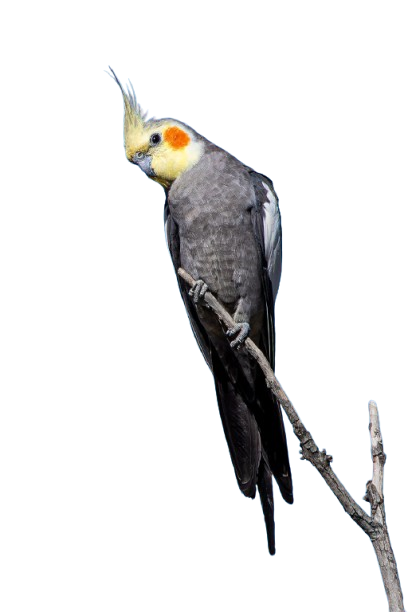
How long do cockatiels live
How long do cockatiels live? Cockatiels typically live for 15 to 25 years in captivity when they receive proper nutrition, a safe environment, regular exercise, and appropriate veterinary care. Some live shorter lives because of poor diets or untreated illnesses, while others reach their late twenties with excellent care. As Mr. Parrot, I always encourage prospective owners to think beyond the excitement of bringing home a beautiful bird. A cockatiel can become a companion for many years, so understanding its lifespan, daily needs, and long-term care requirements is essential before choosing one.
How Long Do Cockatiels Live as Pets?
Cockatiels generally live longer as pets than many people initially expect. A lifespan of 15 to 25 years is a reasonable expectation for a bird receiving consistent care, although individual outcomes vary. Genetics, diet, housing, accidents, and access to avian veterinary treatment all influence how long a cockatiel may live.
Some owners are surprised when their bird remains active well into its second decade. Others experience health problems much earlier, sometimes because warning signs were overlooked or the bird’s nutritional needs were misunderstood.
In my view, the important thing is not to assume that every cockatiel will reach 25 years. Instead, prepare to provide good care throughout its life. A bird that appears healthy today still needs a suitable diet, a clean cage, opportunities to exercise, and regular observation.
What Factors Affect a Cockatiel’s Lifespan?
Several everyday decisions can influence how long a cockatiel lives. Good care does not guarantee a particular age, but it can reduce preventable health risks.
1. A Balanced and Nutritious Diet
Diet is one of the most important parts of cockatiel care. Seeds are often popular with these birds, but an all-seed diet can be deficient in important nutrients and excessively high in fat.
A well-planned diet commonly includes a quality formulated pellet as its foundation, alongside suitable fresh vegetables and smaller amounts of other appropriate foods. Seeds can be offered in moderation, depending on the individual bird’s nutritional needs.
Introduce new foods gradually. Some cockatiels take time to accept vegetables, and suddenly removing familiar foods can leave a bird eating too little. Monitor its weight and speak with an avian veterinarian about dietary changes.
Never offer avocado, chocolate, caffeine, alcohol, or foods containing excessive salt. These can be dangerous to birds.
2. Safe Housing and Daily Exercise
Cockatiels need enough room to stretch their wings, climb, perch, and move around comfortably. A spacious cage with suitable bar spacing, natural or bird-safe perches, and engaging toys supports their physical well-being.
Daily exercise outside the cage is beneficial when the room is properly secured and the bird is supervised. Close windows and doors, switch off ceiling fans, cover hazardous openings, and keep other pets safely separated.
Household hazards deserve particular attention. Overheated nonstick cookware can release fumes that are highly toxic to birds. Smoke, aerosols, and certain cleaning products may also pose serious risks.
3. Companionship and Mental Stimulation
Cockatiels are social birds. They often enjoy gentle interaction, talking, training, and spending time near their human companions.
A lonely or understimulated cockatiel may become withdrawn, unusually noisy, or develop repetitive behaviors. Not every behavior problem indicates illness, of course, but changes should not be ignored.
Offer toys that encourage exploration, rotate them periodically, and establish a predictable daily routine. Even a few short training sessions can provide useful mental stimulation.
4. Veterinary Care and Early Warning Signs
Birds can hide symptoms of illness, which makes regular observation especially important. Changes in appetite, droppings, breathing, balance, activity, or body weight deserve attention.
Arrange routine examinations with an avian veterinarian and seek prompt care when something seems wrong. Difficulty breathing, bleeding, collapse, or severe weakness requires urgent veterinary attention.
Waiting for a bird to look obviously sick can be risky. Early assessment may allow certain problems to be treated before they become more serious.
How Long Do Cockatiels Live in the Wild?
Wild cockatiels live in Australia’s open woodlands, grasslands, and dry inland regions, where they travel in flocks and search for seeds and other food. Their lives are shaped by seasonal conditions, predators, food availability, drought, and other environmental pressures.
It is difficult to assign one reliable lifespan to every wild cockatiel because survival varies considerably. Many face risks that pet birds in secure homes do not encounter, while captive birds can develop their own problems, including obesity, nutritional deficiencies, and inadequate exercise.
A pet cockatiel may therefore live considerably longer than a wild bird that encounters harsh conditions. However, captivity alone does not ensure longevity. Proper husbandry is what helps a companion cockatiel reach its potential lifespan.
How Can You Tell a Cockatiel Is Aging?
Cockatiels do not all age at exactly the same rate, and a change in appearance does not automatically mean a bird is elderly. Still, owners may notice differences as their birds grow older.
An aging cockatiel might become less active, spend more time resting, or show changes in mobility. Its ability to climb or perch comfortably may also change. These signs should be evaluated carefully because arthritis and other treatable conditions can look like ordinary aging.
Feather condition can vary with nutrition, molting, health, and grooming habits. Likewise, a bird becoming quieter or sleeping more than usual should not automatically be dismissed as old age.
Keep track of normal behavior, appetite, body weight, and activity while your cockatiel is young. That baseline makes it easier to notice meaningful changes later.
A Practical Guide to Helping Your Cockatiel Live Longer
If you want your cockatiel to enjoy a long, comfortable life, focus on habits you can maintain every day.
- Feed consistently: Provide a balanced diet and fresh drinking water daily.
- Keep the cage clean: Wash food and water dishes regularly and replace dirty cage liners.
- Encourage movement: Supply climbing opportunities, appropriate toys, and safe supervised exercise.
- Reduce stress: Maintain a predictable routine and give your bird a quiet place to rest.
- Protect against accidents: Keep your cockatiel away from toxic fumes, open windows, hot cooking surfaces, and unsafe household pets.
- Monitor its condition: Watch for weight changes, altered droppings, unusual breathing, or reduced appetite.
- Schedule veterinary visits: Arrange preventive examinations and seek help when symptoms develop.
- Plan for the future: Consider who will care for your cockatiel if your circumstances change, particularly because these birds can live for decades.
These steps may sound straightforward, but consistency is what matters. A healthy environment is created through many small decisions repeated over time.
Choosing a Healthy Cockatiel for a Long-Term Companion
If you are considering bringing home a cockatiel, look beyond feather color and price. A responsible breeder should be willing to discuss the bird’s approximate hatch date, current diet, weaning status, behavior, and health history.
A healthy-looking bird should be alert, breathe comfortably, perch steadily, and show an interest in its surroundings. Appearance alone, however, cannot establish that a cockatiel is free from disease.
Ask whether the bird is fully weaned and eating independently. Avoid taking home an unweaned chick unless you have the appropriate professional support and experience; hand-feeding mistakes can cause serious injury or death.
Listicle: What to Check Before Buying a Cockatiel
- Age and background: Ask when the bird hatched and whether its age is documented.
- Feeding routine: Find out which pellets, vegetables, seeds, and other foods it currently eats.
- Health history: Request any available veterinary records and information about previous illnesses.
- Weaning status: Confirm that the bird eats independently and maintains its weight.
- Behavior: Observe whether it is alert and responsive without forcing physical contact.
- Living conditions: Check that the bird’s environment is clean, spacious, and appropriately maintained.
- Breeder transparency: Choose someone who answers questions clearly and does not pressure you into an immediate purchase.
- Ongoing expenses: Budget for a suitable cage, food, enrichment, and avian veterinary care.
- Transport arrangements: Ensure the bird can travel safely without excessive heat, cold, or stress.
- Long-term commitment: Make sure your household can accommodate a companion that may live for 15–25 years.
Cockatiels for Sale Under $100: What Should Buyers Know?
Finding cockatiels for sale under $100 may be possible, depending on your location, the bird’s age, its color mutation, and the seller. However, a low purchase price should not be the only consideration when choosing a companion that may live for decades.
At this price point, you might encounter standard grey cockatiels, young birds, or birds offered by private owners. Availability varies, and a bird advertised below $100 is not necessarily a bargain if it has health problems or has not been properly weaned.
Before paying, ask about the cockatiel’s age, diet, health history, and ability to eat independently. Observe its breathing, posture, feathers, and general alertness. If possible, arrange an examination with an avian veterinarian soon after bringing the bird home.
Remember that the purchase price is only the beginning. A suitable cage, quality food, perches, toys, and veterinary visits can cost considerably more than the bird itself.
If your budget is limited, compare the complete cost of ownership rather than choosing the cheapest listing. You can explore available options through our cockatiels for sale under $100 section and use the same health and welfare checks before making a decision.
Conclusion: How Long Do Cockatiels Live?
So, how long do cockatiels live? Most pet cockatiels can live approximately 15 to 25 years with suitable care, although genetics and individual health make every bird different. A balanced diet, safe housing, regular exercise, social interaction, and access to an avian veterinarian all contribute to a better chance of a long life.
As Mr. Parrot, I encourage anyone considering a cockatiel to prepare for the years ahead, not just the excitement of bringing a new bird home. Choose a healthy, fully weaned bird from a responsible source, learn its daily needs, and pay attention to small changes in behavior. Those everyday habits can make a real difference to your feathered companion’s quality of life.
Frequently Asked Question
Can a cockatiel live for 30 years?
A cockatiel reaching 30 years would be exceptional. Some birds live into their twenties, but 30 years should not be treated as a normal or guaranteed lifespan. Good nutrition, safe housing, veterinary care, and favorable genetics may help a cockatiel live longer, but individual outcomes vary. Plan for a lifespan of around 15–25 years rather than relying on an unusually long-lived example.