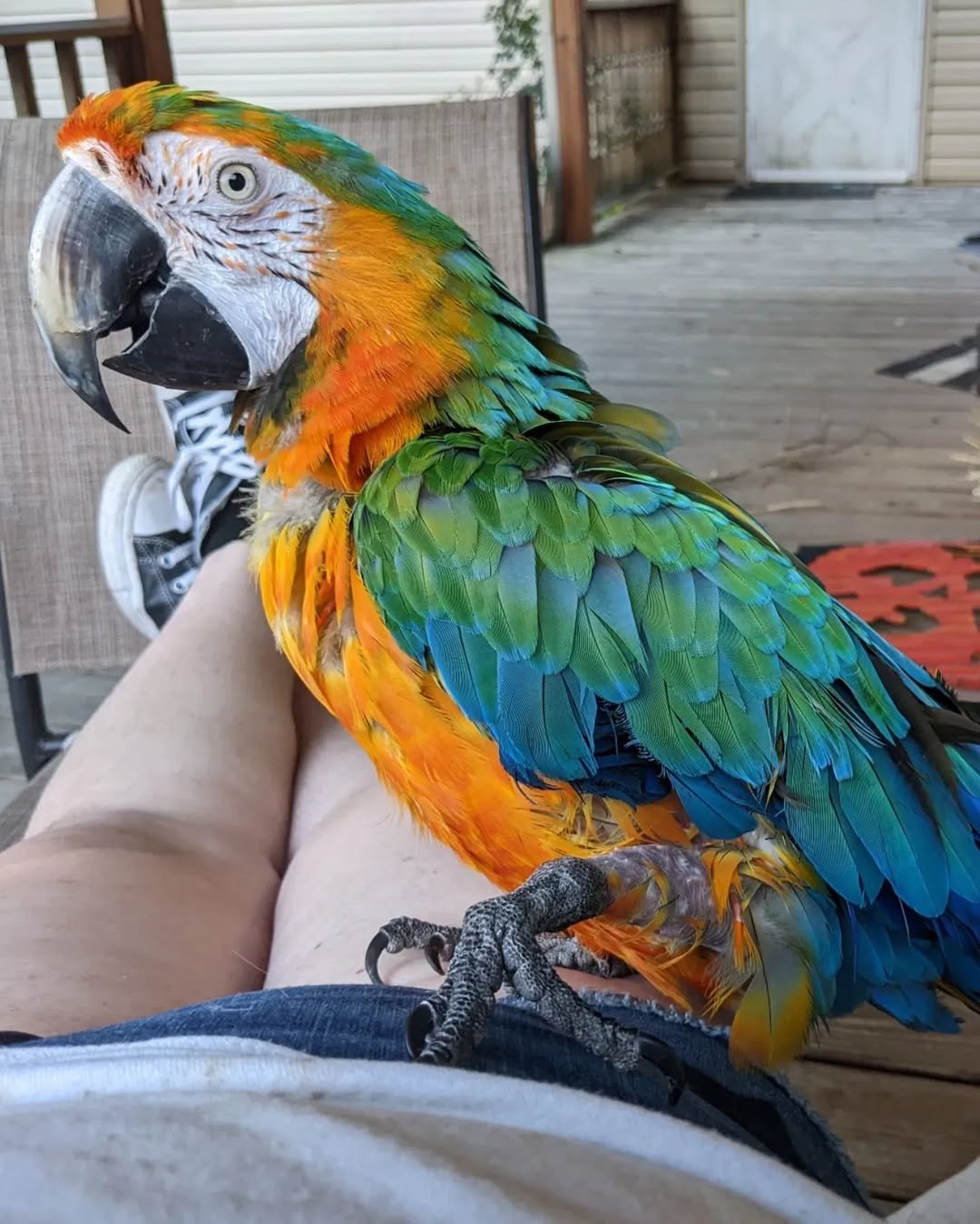
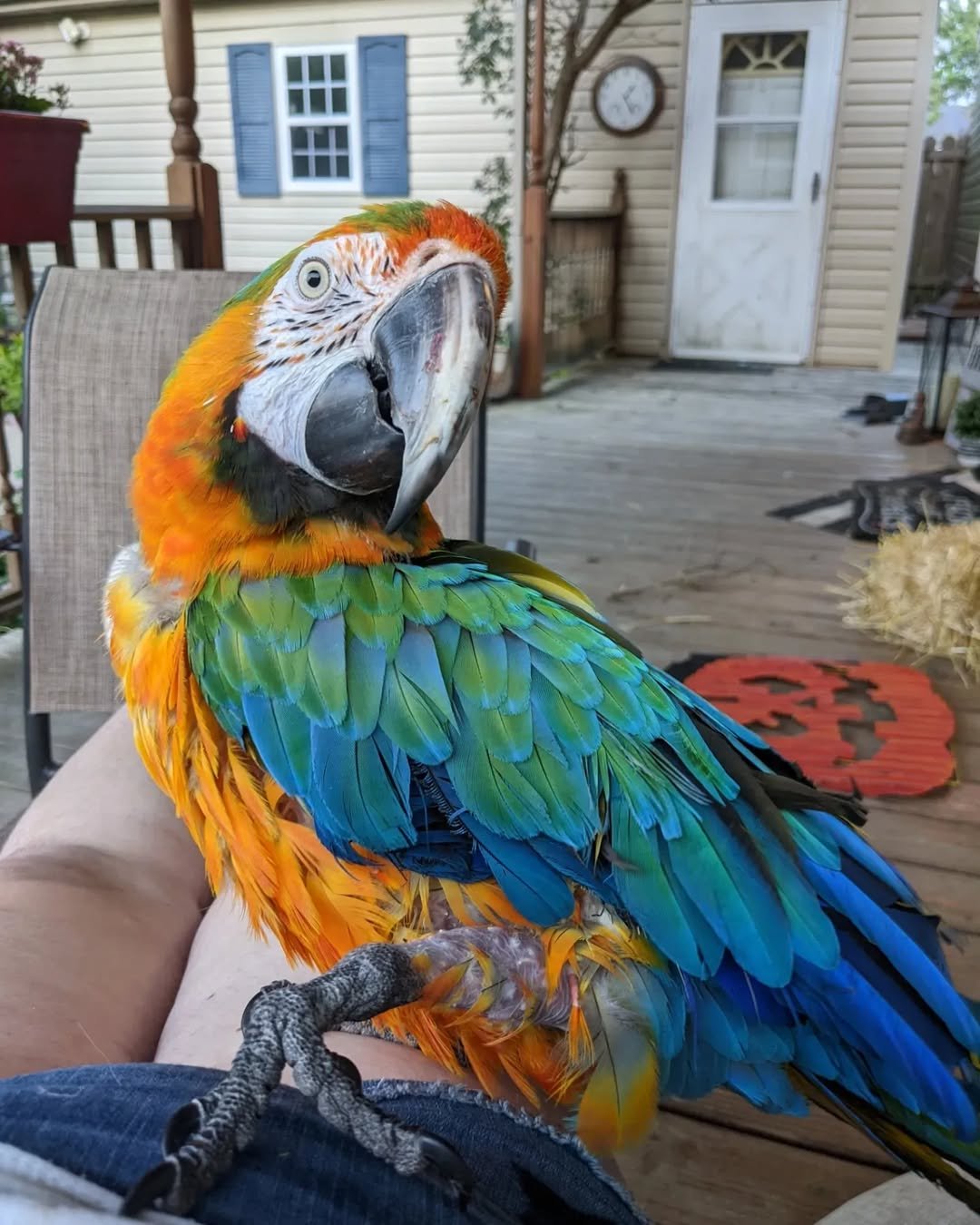
Description
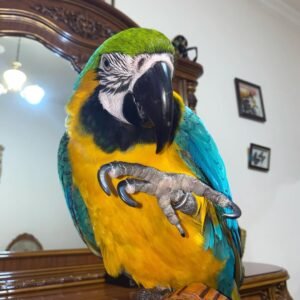
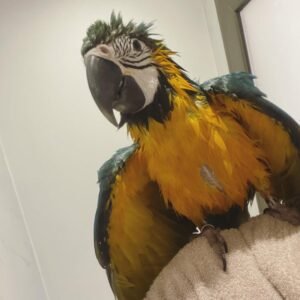
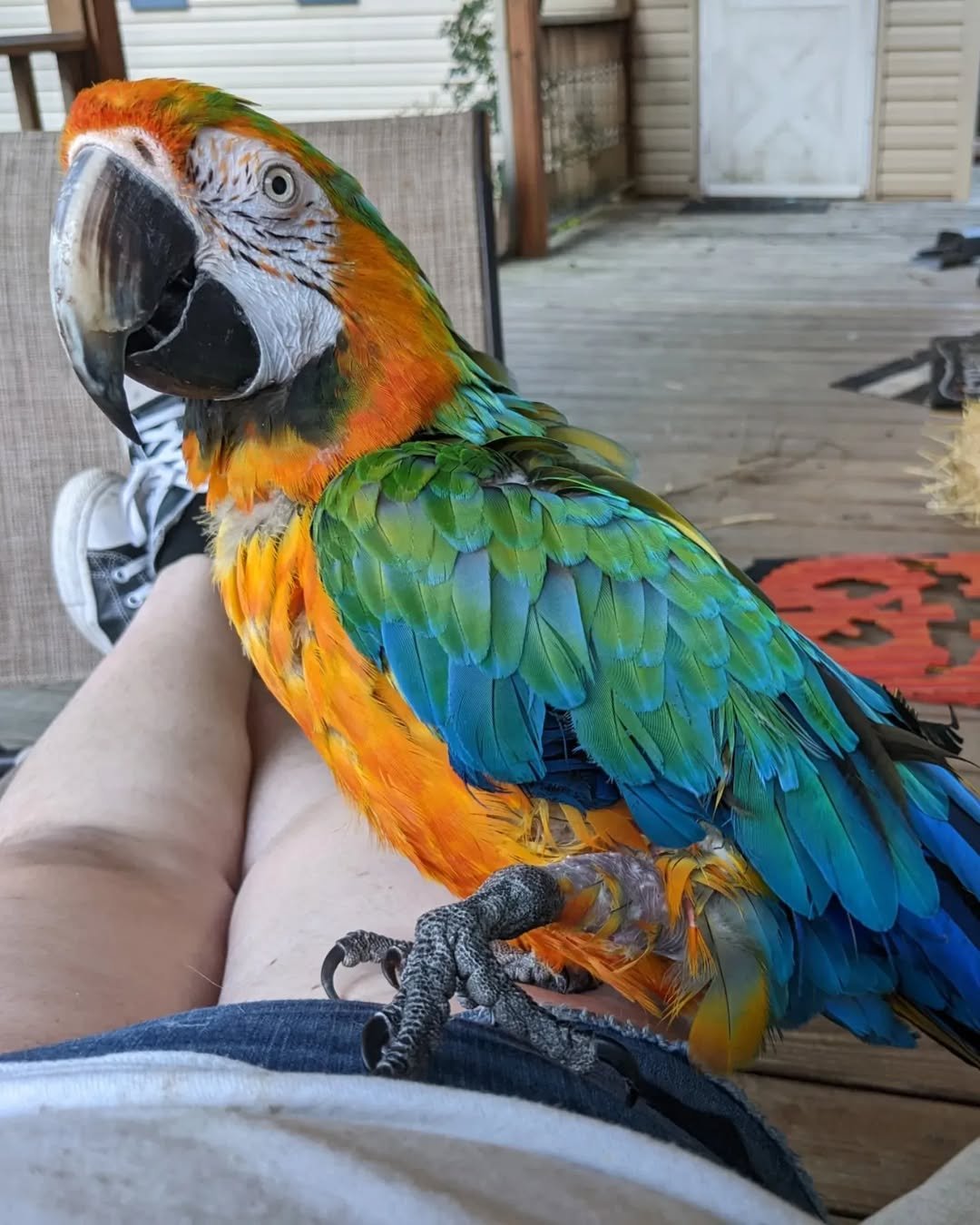
Baby Macaw Parrots For Sale
Choosing a young macaw is a long-term commitment, not simply a decision based on bright feathers and an appealing face. Baby macaws need patient socialization, appropriate nutrition, safe surroundings, and daily interaction as they develop. If you are considering bringing one home, it is important to understand its age, weaning status, health history, and individual temperament before making a reservation.
When comparing Baby Macaw Parrots For Sale, look for transparent information about the bird’s background and care routine. A responsible breeder should explain what the young parrot currently eats, how it responds to handling, and whether it has been examined by an avian veterinarian. Ask to see the bird eating independently before considering it ready to move to a new home.
Macaws grow into powerful, intelligent parrots that need substantial space, sturdy enrichment, and regular companionship. Their calls can be loud, and their beaks can cause serious injuries if they become frightened or overstimulated. Prepare a suitable enclosure and arrange veterinary care before bringing a bird home.
What to Know Before Choosing a Baby Macaw
Bringing a young macaw into your home can be rewarding, but the right choice depends on more than age and appearance. Baby Macaw Parrots For Sale should be evaluated individually, with attention to their development, feeding habits, health, and comfort around people. A young bird that has been given time to develop naturally and is eating independently is generally a more appropriate choice for a first-time macaw owner than an unweaned chick requiring specialist feeding.
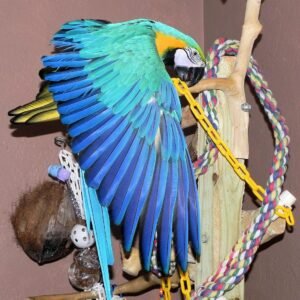
Macaws benefit from a varied, nutritionally balanced diet, fresh water, daily enrichment, and a secure enclosure with enough room to move and stretch their wings. Natural, bird-safe perches of different diameters help exercise their feet, while chewable toys and foraging activities provide important mental stimulation.
Do macaws need special perches?
Yes, macaws need appropriately sized, secure perches that support their feet and encourage natural movement. Choose sturdy, bird-safe branches in several diameters so the toes can grip comfortably without remaining in one position all day. Avoid splintered wood, toxic materials, and abrasive sandpaper coverings that can injure the feet. Place perches at different heights while leaving room for climbing and movement. For more practical guidance on selecting suitable perches, read our article, Do macaws need special perches.